Cuban Culture

Top 5 Music Venues in Havana, Cuba

Music Venues in Havana

By Chaz Chambers(Musician, Tour Guide Leader, and Director of Havana Music Tours and Musical Getaways)

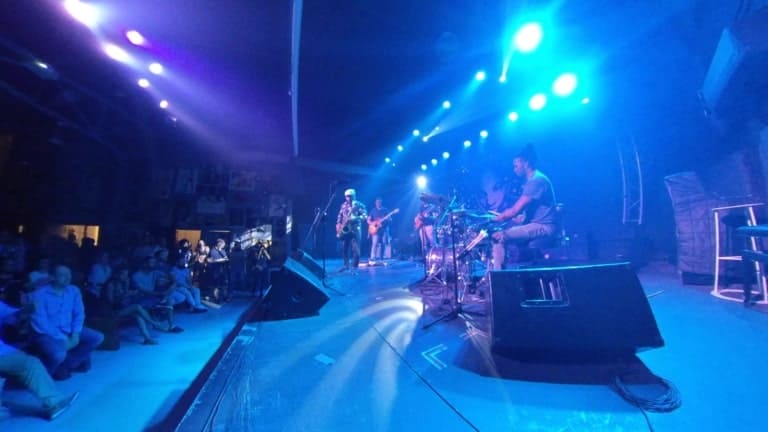
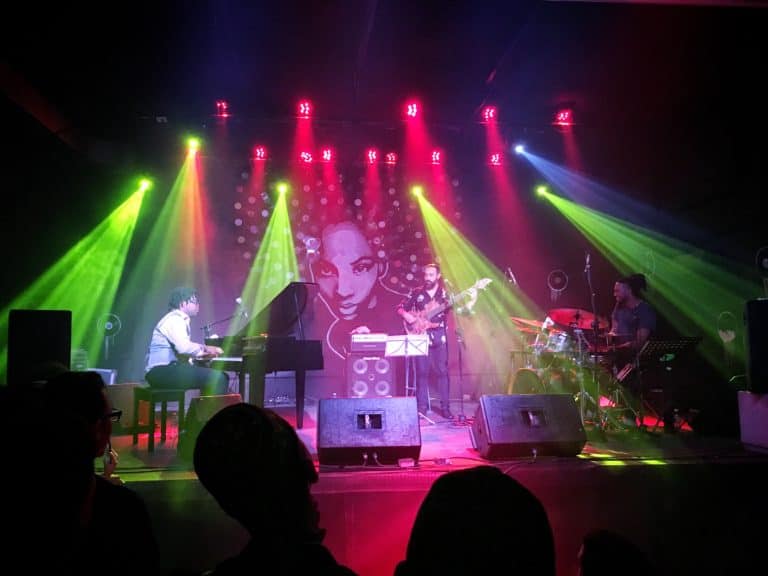
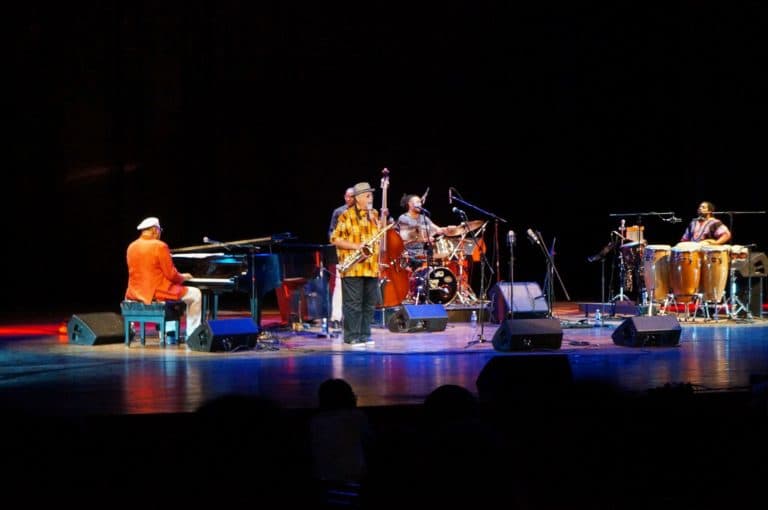
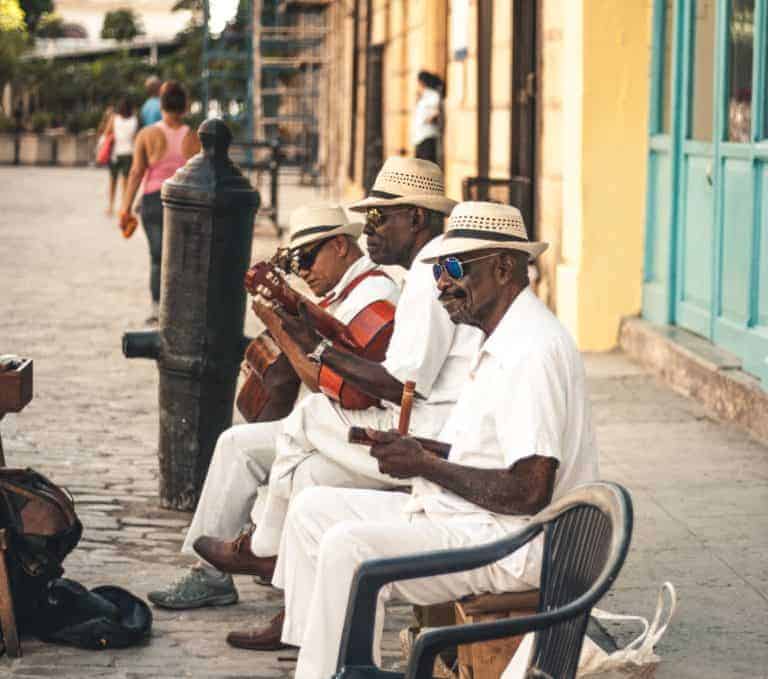
Rooted deep in history and composed of sounds that seem to move the body and the soul, music in Cuba is larger than life. It is culture, identity, lifestyle, tradition, and a force that moves the whole country in one never-ending concert. And we visitors are always looking to capture the best out of our limited time. So, if you‘re looking to have that iconic music experience in Cuba and have unforgettable fun then make sure not to miss these top five music venues in Havana, the capital of Cuban music!

1. Fabrica de Arte Cubano

Established inside a former cooking oil factory, La Fabrica de Arte Cubano, also known as La FAC, has quickly become one of Havana’s most trendy and popular nightlife hotspots. And it‘s success lies in many distinctive details.

FAC delivers incredible diversity both in amenities and activities. You‘ll find a snack restaurant, nightclub, and bar mixed in with spacious outdoor and indoor spaces within these refurbished historic walls. But that‘s only the tip of an entertainment iceberg that Fabrica de Arte Cubano is.

What truly draws in those crowds are intriguing art exhibitions, funky live music, movies, and creativity that the venue explodes with every week. And there should be no surprise why the main reason for visiting the Vedado neighborhood is usually the vibrant La Fábrica de Arte Cubano.

2. La Zorra y El Cuervo

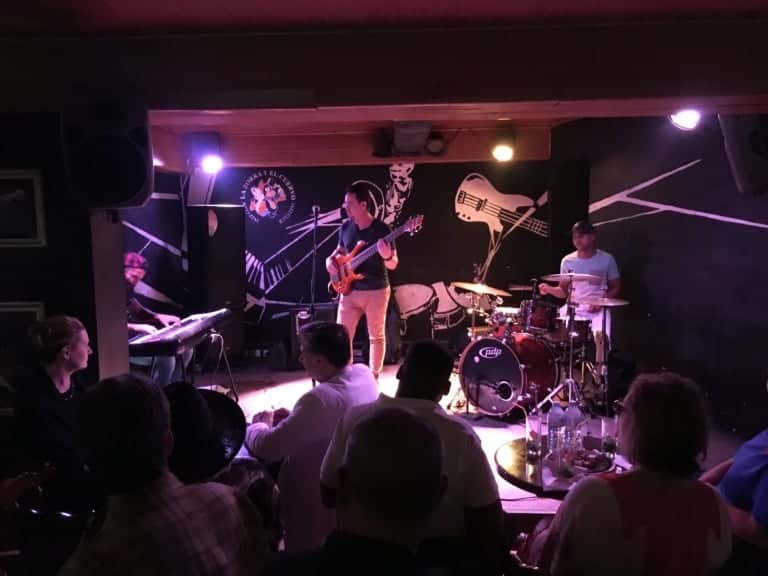
Next up we have another exciting place where music makes the air vibrate every night – La Zorra y El Cuervo. A New York Manhattan Village-style jazz club and one of the best at it in Havana.

Low ceilings, cramped space, dark and dim basement with a red English telephone box at the entrance. La Zorra y El Cuvero translates for “the Fox & The Crow“ and offers a vintage and soulful jazz club experience.

Leaning towards freestyle Jazz mostly, the club has the brightest performers of the Cuban jazz scene to perform here while also casting a spotlight on young and upcoming artists. Spectacular, special, and memorable performances are a guarantee for any kind of jazz or music fan.

Cuba is breathing jazz, and if you want to experience being top-notch, the La Zorra y El Cuervo is where it is at in Havana!

3. Cafe Teatro Bertolt Brecht

Looking for more of that wild nightlife escape in Havana? Then leave a Cafe Teatro Bertolt Brecht name in your notes and prepare to move those hips!

It is without a doubt one of the coolest nightspots in Havana, Cuba. Live music is played every night here, with Wednesdays leading the way. This is when the iconic Jazz fusion group “Interactivo” headlines the show almost every week.

Cafe Teatro Bertolt Brech is the past, present, and future, and a beautiful mix of artists perform here simply for good vibes.

While you will also find the theatre here as well, the club is known as “No Se Lo Digas a Nadie“ (Don‘t Tell Anyone“ and is the basement of the building. Tables here are few, and ques can belong. It is best to get here early at around 11:00 PM to get a good feel for the place before the crowds surge in.

4. Casa de la Musica Miramar

It seems that music venues in Havana so far have to offer something intriguing and different. And Casa de la Musica Miramar is no exception!

This is a venue known for hosting at least one famous Cuban artist every week. Bands and musicians such as Los Van Van, Alain Perez, Habana D‘Primera, and others don‘t shy away from an opportunity to perform here.

The beautiful and elegant old Havana mansion delivers a sophisticated ambiance. However, it is not the most spacious venue. Therefore be prepared to be crowded, even without large numbers of people coming in. But once you surrender yourself to the rhythms and dance, everything will simply fade away!

5. Habana 309

Formerly known as Kpricho Bar-Restaurant, the new venue has been born just recently under the new name of Habana 309.

A new place is yet to be discovered by many people, but good reviews are already making their way. One thing assured – live music here is stellar and is accompanied by the finest cocktails, good service, and a cozy setting.

It seems that Habana 309 is becoming a hub for new underground music and performing it at this cool new venue is not stopping any time soon!

History of Celia Cruz In 4 Quick Steps

The life story of glory

Úrsula Hilaria Celia de la Caridad Cruz Alfonso, more widely known as Celia Cruz, was a famous Cuban singer and left a footprint in history as one of the most popular Latin artists of the 20th century. Often referred to as Queen of Salsa, Celia Cruz‘s biography and history are very rich, intriguing, and full of accomplishments. Therefore, let‘s explore and discover the history of the legendary Cuban singer in 4 steps that are made simple, to take you back through one of the most illustrious music careers in Latin America‘s history.

Step 1: Early Life Footprints

According to Catalina Alfonso Ramos, her mother, Celia Cruz began singing as early as 10 months of age!

Celia Cruz was born at 47 Serrano Street in the Santos Suárez neighborhood of Havana, Cuba while her father, Simon Cruz, worked as a railway stoker and her mother was a housewife who took care of a big family of 14.

What started early continued every year for Celia Cruz. She sang practically everywhere: in school during the Fridays’ actos cívicos, in her neighborhood ensemble, Botón de Oro, and in cabarets as a teenager when her aunt took her there to perform.

Yet, still, Celia Cruz originally intended to become a literature teacher, but it was that critical victory in a
talent show where she interpreted the tango piece „Nostalgia“ in a bolero tempo that became life-changing, making her pause her studies to pursue what became an elusive music career.

celia-cruz-promo

Step 2: The Rise Of Musical Career

Her musical breakthrough started here in Cuba with her first recordings made in 1948 and 1950 when she began singing with the celebrated Cuban orchestra Sonora Matancera.

Celia Cruz sang regularly in Cuba with the ensemble on radio and television, made extensive tours, compiled full-length albums, headlined Havana’s Tropicana nightclub, and even appeared in five films that were produced in Mexico.

Unfortunately, after the Cuban revolution of 1960, Havana’s nightlife came to a standstill which made her leave Cuba.

A journey that changed her life and career forever.

celia cruz and band

Step 3: Commerical Success In the USA

When the revolution started sweeping over Cuba, Sonora Matancera with Celia Cruz was touring Mexico and decided to cross into the United States instead of coming back home to Cuba. This led Cruz to become a U.S. citizen by 1961, settling in New York City while enraged Fidel Castro forbade her to return to Cuba‘s soil.

In the beginning, as expected, she was relatively unknown in a new country, with a presence only in the Cuban exile community. In the mid-1960s she started gaining exposure and momentum after joining Tito Puente Orchestra which had a strong following across Latin America.

Not only did she become the face of the group, but Cruz captivated audiences with her enthusiasm, sparkling attires, and crowd entertainment, skyrocketing her musical career into new heights that not many could have predicted, forming one of the greatest music legacies in Cuban history.

celia cruz

Step 4: Strong Legacy & Death

Celia Cruz passed away in New Jersey on July 16, 2003, at the age of 77.

Her legacy left behind still goes strong to this day, and it encompasses so many areas that she was able to touch with her fascinating 40-year musical career.

As Celia Cruz continued to perform throughout the years, she made over 75 records of which 23 went gold, winning multiple Grammy & Latin Grammy awards. But that‘s only the tip of a legacy iceberg that still floats around today, approaching 2020.

The singer made an appearance in several movies, stamped a star on the iconic Hollywood Walk of Fame, and received an award of the American National Medal from President Bill Clinton. The highest recognition an artist can receive from the United States government. Cruz is remembered as one of the 20th century’s most beloved and popular Latin musicians with many tributes made for her over the years, including music schools being named after her, television series, and many many more.

However, Celia Cruz did manage to return to Cuba in 1990 after she was invited to make a presentation at the Guantanamo Bay Naval Base. After that, she took a few grams of earth from Cuba with her.

An epilogue in her autobiography notes that, in accordance with her wishes, Cuban soil which she had saved from a visit to Guantánamo Bay was used in her entombment. Returning her home, forever.

Image links:

https://en.wikipedia.org/wiki/Celia_Cruz#/media/File:Celia_Cruz,_1957.jpg

https://en.wikipedia.org/wiki/Celia_Cruz#/media/File:Celia_Cruz_y_La_Sonora_Matancera.jpg

https://en.wikipedia.org/wiki/Celia_Cruz#/media/File:Cruz_and_Ros-Lehtinen1992a.jpg

Afro-Cuban Jazz: A Powerfull Blend of Rhythms & History

Let‘s admit it, we all love music. And with so many different genres, sub-genres, techniques, sounds, and historical aspects, sometimes it can seem like a vast ocean, almost endless. But when it comes to Cuba, and discovering its culture, one particular style stands out as a staple of Cuban rhythm of life, heritage, and history – the soul-moving Afro-Cuban Jazz. Acknowledging the intriguing and complicated development of such music genres like Afro-Cuban jazz might not be easy, but if you‘re a music fan and want to explore Afro-Cuban jazz without hassle, then let this article create you a composition of easy history notes that you will certainly love exploring!


It All Starts With Deep Roots of History


Until the mid-20th century, clave-base Afro Cuban Jazz didn‘t appear, but that doesn‘t neglect the fact that Cuban presence and influence was there, from the very moments of the birth of jazz music. 

African-American music started to include Afro-Cuban musical motifs extensively in the 19th century when the habanera gained international popularity. 

The habanera itself was the first–ever music to be written that was rhythm-based on the African motifs which are often described as the tresillo and the backbeat combination.


An Important Interaction With American Music


During the first decades of the Afro-Cuban jazz movement was much stronger in the United States compared to Cuba.

The interaction and connection between the US and Cuba isfascinating when it came to jazz music. The early jazz bands of New Orleans jazz incorporated habaneras as well, and eventually the habanera became a staple of jazz music in the 20th century.

Musicians from Havana and New Orleans traveled between both cities to perform, while Latin American melodies and dance rhythms spread through the United States, and the sound waves of American jazz made theirs towards the Caribbean and Central and South America.

Both trading, interacting, blending, and cherishing music, making jazz evolve strongly.

Formation of Cuban Jazz Bands


Jazz bands in Cuba started forming as early as 1920. 

These bands often showcased versatility in their repertoires, by jamming both North American jazz and Cuban pop music. But even with this diversity in their lively music, the sounds that molded Afro-Cuban rhythms, pop music and jazz together, wasn‘t enough to make their presence strong in Cuba for decades to come.

Leonardo Acosta once said, “Afro-Cuban jazz developed simultaneously in New York and Havana, with the difference that in Cuba it was a silent and almost natural process, practically imperceptible.“

But that only was until Grammy Award-winning Cuban band Irakere was born and sparked a new era in Cuban jazz that is still present to this day.

Irakere made historic innovations not only in Afro-Cuban jazz but Cuban popular dance music as well, as the band made a very wide array of percussion instruments create magic. Those instruments included maracas, claves, cencerros, tumbadoras, abuaka, arara drums and many more!

Afro-Cuban Jazz Blends It All Up


Afro-Cuban jazz is sometimes known as Latin jazz, but that‘s mostly because Afro-Cuban jazz is the earliest form of the Latin jazz genre. 

It is a style of music that blends and encompasses many components to craft that soulful jazz sound. From Cuban and Spanish Caribbean rhythms and percussion instruments to jazz harmonies, improvisations alongside European and African musical elements as well. 

After everything that was made and played, Afro-Cuban jazz truly emerged in the early 1940s when Cuban musicians Mario Bauzá and Frank Grillo more known by his iconic name“Machito” formed a band called Afro-Cubans in New York City. 

Machito’s music not only refined Afro-Cuban jazz but also had a tremendous effect on the lives of many musicians who played in the Afro-Cubans over the years, and on those who fell in love with the rhythms of Latin jazz because of his music.

An intersection in East Harlem is named “Machito Square” in his honor.


If you would like to see the best Latin and Afro-Cuban Jazz, join us on our Cuban Jazz and Rumba Tour featuring Havana Jazz Plaza (Cuba’s annual Jazz Festival)

Havana Jazz Plaza, the Annual Jazz Fest in Cuba.

Cuba Music Festival

By Chaz Chambers(Musician, Tour Guide Leader, and Director of Havana Music Tours and Musical Getaways)

Havana Jazz Plaza is one of the biggest music festivals in Cuba all year. It usually happens around December or January. For 2020 it will be happening January 14th-20th. Some of the most famous artists from Cuba and around the world come to perform for an international audience each year. Almost every theater and music venue in Havana will have an interactive schedule of music events, public performances, clinics, and workshops.

havana music tours jazz plaza festival picture at teatro nacional

In the past we have seen such artists as Chucho Valdes, Alain Pérez, Interactivo, Daymé, Los Van Van, Hector Quintana, Muñequitos de Matanzas, Pedrito Martinez, Cimafunk, Ruy López Nussa, Dave Weckl, Horacio Hernández (El Negro), Habana de Primera, Rumbatá, Preservation Hall Jazz Band, and much more!

The Havana Jazz Plaza is not just Jazz, but the foundation and history is Jazz. Cuba and its musicians are very much influenced by jazz, Latin jazz, and world music. This music festival is a great example of a modern-day fusion. Usually, you can find many artists that you want to see each day and sometimes it seems there are too many options!

live latin jazz in havana cuba

Live Jazz at La Zorra y El Cuervo

The Havana Jazz Festival is organized in multiple venues all over the city and has a schedule each day full of music. Some of the best venues in Havana are available to host each concert. Venues such as Fabrica de Arte Cubano, Teatro Mella, Teatro Karl Marx, Teatro Nacional, La Zorra y El Cuervo, Bar Elegante at Hotel Riviera, Jazz Café, Casa de la Cultura, Teatro America, Cafe Teatro Bertolt Brecht, and more!

No matter if you are a fan of Latin jazz, rumba, son, or even jazz fusion, this is the festival for you. If you have never been to Cuba before and want to see the music, this is the best music event to catch many amazing artists within one week.

a picture of chucho valdez playing at havana jazz plaza

American travelers can visit Cuba with Havana Music Tours under a license for Support for the Cuban people and Public Performances, Workshops, and Clinics. Despite further regulations from the US Government it is still possible to travel legally to Cuba. Music travel to Cuba has never been easier. When you are ready, you can book your VIP Jazz Plaza pass and festival tour here.

De Cuba y la Historia de su Música (en español)

Breve historia de la música cubana con enfoque al período previo a 1959

ByYami Cabrera (Cuban musicologist and Business Development Director of Havana Music Tours and Musical Getaways)

La música cubana ya cuenta con poco más de 500 años de historia, nutrida de  músicas de todas partes. Un pequeño archipiélago en dónde puedes encontrar sonoridades de casi todos los continentes, África, Europa, Asia, América Latina, etc. Historia musical que nace desde el momento exacto en que los aborígenes antillanos arribaron a las costas de esta isla, con sus guamos –caracol grande utilizado como instrumento musical aerófono– y exóticos bailes y cantos integrados dentro de su especial “areíto” –ritual festivo-religioso–.

Posteriormente, la llegada de los colonos españoles trajo consigo la introducción de nuevas experiencias sonoras, que absorbieron la cultura nativa y se establecieron de manera abrupta como el punto de partida de la cultura musical cubana. Por supuesto, un país milenario como España tuvo mucho para legar a la pequeña Cuba.

Especialmente de música entregó desde la profana romanza, el fandango y su guitarra hasta la música aristócrata-religiosa proveniente de la hegemónica Iglesia Católica. No obstante, también legaron sus melodías y armonías mediterráneas adquiridas a partir de la migración árabe, y su negritud africana resultante del sistema esclavista, colmado de sonidos emanados de la tierra, de tambores y de espiritualidad.

Este engranaje de músicas se fue mezclando durante siglos con otras culturas musicales que, de una manera u otra, se relacionaron con este “caimán” –símbolo  utilizado para nombrar a la Cuba por su forma similar a la de este animal-, debido fundamentalmente a la posición geográfica de Cuba en la época colonial,  convirtiéndose en el enlace principal entre Europa y sus colonias americanas. De ahí, que desde ese momento hasta la actualidad la isla sea conocida como “La llave del Golfo”.

Todo ese gran “ajiaco” –simbología utilizada para denominar la mezcla cultural-, dio paso a la conformación de una identidad nacional que se hizo acompañar por la creación de disímiles formas musicales que han distinguido a Cuba hasta el día de hoy. Especialmente el siglo XIX fue crucial para todo este proceso, en el cual surgieron géneros como la rumba, el son y la criollizada contradanza cubana. Músicas que nacieron en escenarios diversos del contexto cultural cubano, que transitan desde un cabildo de esclavos hasta el más estilizado de los salones aristocráticos.

Finalizado el período colonial en Cuba, aparece una reapertura de la cultura musical cubana hacia el mundo y viceversa. Establecida una identidad musical propia, la etapa republicana de la primera mitad del siglo XX permite exhibir claramente las distintas aristas de la música cubana. Entre ellas podemos encontrar formas musicales desarrolladas por elementos folklóricos y formas de expresión populares y otras, más abstracta y compleja, encaminadas hacia el trabajo con la música culta y académica occidentalista.

En el ámbito de lo folclórico y lo popular se puede ver como en esta etapa se esclarecen los géneros más distintivos de la música cubana para el escenario internacional, que se exponen como una fuerte influencia para el desarrollo musical del resto de Latinoamérica y, a su vez,  son influenciados prudentemente por la música norteamericana, sobre todo por el incipiente jazz.

Entre ellos podemos encontrar géneros como la rumba urbana, típica de los “solares”, bateyes, puertos y fiestas populares, y el son, de formidable sabor oriental, que sintetiza la herencia africana con la hispana, lo negro bantú con las cuerdas pulsadas del tres. Ambos son de los exponentes más representativos de la música cubana para el resto del mundo, especialmente para el turismo moderno.

También está el danzón, con un metro ritmo mucho más cadencioso, que llenó los salones cubanos y de muchos países latinoamericanos, siendo sin dudas uno de los ritmos de fundación de la música caribeña. Al igual que el mambo, que impulso con su sincopa a Dámaso Pérez Prado para alcanzar la primera gran explosión mundial de la música de la mitad del siglo XX. Y además el Cha cha chá que con su baile sin igual, sencillez sonora y la interpretación de la Orquesta América de Enrique Jorrín, llevó a la música cubana hasta los salones más aristocráticos de europa. Por otro lado aparecen otros, quizás menos conocidos pero con el mismo nivel de importancia como la habanera, la conga, la guaracha, etc.

Asimismo como fue evolucionando la música popular, se desarrolló en Cuba un relevante movimiento de música de concierto en la cual se fueron fundiendo los elementos musicales de los géneros cubanos con los europeos, a través de la obra de compositores como Amadeo Roldán y Alejandro García Caturla.

Posteriormente, en el período revolucionario que llega hasta nuestros días, los cubanos trabajan en función de preservar su cultura musical, permitiendo que se mantenga como una de las potencias musicales más influyentes en el mundo. Gracias a ello, todo el que visita Cuba puede disfrutar de diversas y atractivas propuestas musicales que transitan desde la auténtica rumba cubana en el famoso Callejón de Hamel hasta una Jam Session en el interactivo espacio de la Fábrica de Arte Cubano, o quizás, un concierto de música contemporánea en el Museo de Bellas Artes.

The Cuban music scene

The best musicians in the world. The secret of Cuban music


By Chaz Chambers(Musician, Tour Guide Leader, and Director of Havana Music Tours and Musical Getaways)

Every time I go to a show in Havana or anywhere in Cuba, I am stunned by the musicianship. The impressive music scene that I always found there makes me love Cuban Music more and more each time.

Havana makes me think of 1950s New York City, not only because of the vintage cars but because of the superior musicianship. It reminds me of the greats like Miles Davis and John Coltrane on the come-up. It’s like traveling into a Time Machine. But with unique modern aspects that make it much better.

What does a music venue look like in Cuba?

The music venues in Cuba sometimes remind me of New York in many ways. Famous Cuban jazz venues like La Zorra y El Cuervo or Jazz Café Havana could make you feel that you are in an underground jazz club in the heart of Greenwich Village. It has the same feel and ambiance; the only difference is the authentic Latin Jazz. If you are a Jazz lover you should join us on Cuban Jazz, Music, and Cultural Tour Featuring Havana Jazz Plaza Festival 2023.

If it is about vintage vibes, in Cuba, especially in Havana, you will be able to find some Cabaret-style venues that take you on an exciting trip to the 50s. Some of them are Tropicana, Habana Café, Parisien, among others.

In Cuba, you can also enjoy concerts in elegant colonial-style theaters such as the Gran Teatro Alicia Alonso (Havana), Teatro Martí (Havana), Teatro Terry (Cienfuegos), Teatro Heredia (Santiago de Cuba). However, there are other more modern and relevant ones, such as Teatro Karl Marx and Teatro Nacional de Cuba, both in Havana.

But, not everything is vintage and nostalgic in the Cuban music scene. You can also find bars and nighttime clubs very similar to the rest of the world. Places where you can find both live and recorded music; are usually full of people dancing and drinking until very late in the night. One of our favorites is the Café Bertolt Brecht, especially if Interactive is playing there.

@havanamusictours

#InteractivodeCuba at #bertoltbrecht 🎶🇨🇺💃 #winterbreak #tiempoenfamilia #okayperfect #happyholidays #askintiktok #shortfilm #cubanmusic #travel

♬ original sound – Havana Music Tours

How to describe a Cuban musician?

Over the years, I’ve understood why this may be (in my opinion). First of all, there are  FREE music schools in Cuba where children start studying music as young as eight years old. Around half of the day is spent learning music and the other half with traditional academics. They will continue this through “secondary school,” also known as High school in America. By the time these kids get to a music university level, they are already impressive.

I also believe that the sociocultural and love of music inspires the musicians to practice a lot. There isn’t any extra money to be spent on excess things for Cubans most of the time. So maybe they will spend more time at home with their instruments instead of going out to bars, to eat, in movie theaters, etc. I think this all contributes to the practice culture of Cuban musicians.

The other aspect of becoming a musician and maybe why there are so many musicians in Cuba is that it could serve as an opportunity to travel to the world. Most of the great musicians around Cuba will flock to Havana to seek opportunities to play with groups that can gain international attention. Once they can begin touring out of the country, it can provide a much greater lifestyle than the typical Cuban.

I believe that Cuba has the best musicians globally, and all of my experiences traveling tell me the world needs to know this. You can see at least a few world-class performances in only one week, artists like Alain Perez, Alexander Abreu, Interactivo, Isaac Delgado, the modern-day Buena Vista Social Club, Afro Cuban All-Stars, and so many more. I hope that everyone has a chance to travel to Cuba at least once and experience the music of Havana.

Join us for an unforgettable tour of Cuba. Book your CubaTour Now!

How to make an authentic Cuban Coffee

 How to make an authentic Café Cubano. VLOG 

By Chaz Chambers (Musician, Tour Guide Leader, and Director of Havana Music Tours and Musical Getaways)

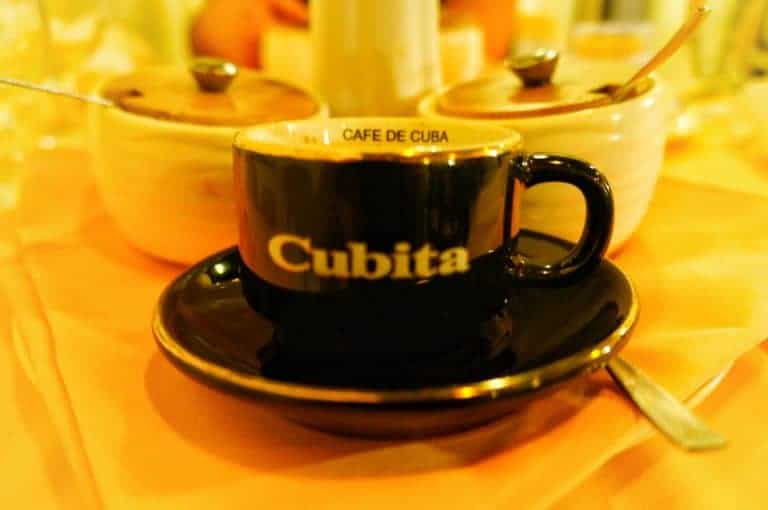
Café Cubano (Cuban Coffee) is one thing that pops up every time you think about Cuba. It’s inevitable. Every lover of Cuban Culture should know how to prepare it. That’s why in this article, we will share our favorite recipe with you so you can learn. Let’s make some Café Cubano!

What should you know about Café Cubano or Cubano Coffee?

Cuban coffee is a cultural icon for the island filled with a lot of history. Coffee was first introduced to the island throughout the 1700s by early Spanish colonialists and immigrating slaves of French colonies. Cuban’s way of making coffee has evolved into a unique brewing style, mixing sugar by default and enjoying each cup as small espresso coffee. 

The current way to make a coffee by the hands of a Cuban still resembles a sort of European nature. Historically limited in their luxurious purchasing abilities, they have also lacked many of the fantastic coffee machines we have all around the world. But, possibly against their knowledge, this could be a good thing for their final product.

Cubans traditionally use a “cafetera” (coffee machine in Spanish), but otherwise known as a percolator in English. This unique gadget holds water, coffee, and the finished product in one tea kettle-looking device. Very different than an expresso machine.

How to make an authentic Cafe Cubano (Cuban Coffee)

Instructions for making a Cuban coffee with a Cafetera

To prepare a Cuban Cofee you will need:

  1. Cafetera or percolator for making coffee
  2. Water
  3. Cuban or other espresso coffee beans
  4. Sugar, preferably brown sugar and raw organic
  5. Stovetop or hotplate
  6. 15 minutes
  7. A small cafecito cup or more for your friends

Steps to the perfect Cuban Coffee

  1. Make sure the cafetera is clean.
  2. Fill the bottom portion of the cafetera with water.
  3. Fill the middle filter with Cuban or espresso-style coffee beans.
  4. Place cafetera on a hot stove to begin boiling
  5. After you hear the bubbling and boiling sound, remove the cafetera and place it to cool slightly
  6. Important! Immediately stir sugar into the top portion of the cafetera while it is still hot. 
  7. Let cool if you prefer, or begin to pour cafecitos for you and your friends to enjoy in your expresso cup.

Enjoy this video from Havana Music Tours owner Chaz Chambers demonstrating how to make an authentic Café Cubano.

Subscribe to our Newsletter

Stay up to date with our tours, new dates, experiences and offers!​