Cuban Music Quick Guide: Son Cubano, Rumba, Timba, Jazz and More
Cuban music has never been one single sound. It developed across different regions, communities and periods of Cuban history, producing traditions with distinct musical structures, instruments and social functions. Son cubano, rumba, danzรณn, mambo, cha-cha-chรก, trova, bolero, Afro-Cuban jazz, songo and timba belong to this larger history, but they are not interchangeable.
Some were created for social dancing, others for theaters, concert halls, neighborhood gatherings or ceremonial settings. Many have influenced one another, and their histories often overlap. Understanding Cuban music therefore requires looking beyond broad labels such as โsalsaโ and paying attention to where each tradition came from, how it developed and what it means within Cuban culture.
How Cuban music developed
Cuban music took shape through colonization, forced migration, resistance and exchange. African-descended communities preserved and transformed rhythmic, vocal, religious and ceremonial knowledge. Spanish-derived song forms, poetry, harmony and string instruments also entered Cuban practice. Haitian migration and contact with the wider Caribbean, Mexico, New Orleans and New York added further layers.
This was never a simple mixture of two fixed traditions. Different communities created different forms at different moments, and musicians kept changing them as they moved around Cuba and abroad.
Clave: a guide, not a formula
Clave can mean both the pair of wooden sticks and an organizing rhythmic pattern heard or implied in many Cuban popular genres. A basic pattern has five strokes across two measures: one side has three strokes and the other has two, producing a 3โ2 or 2โ3 direction. Son clave and rumba clave place some strokes differently.
Clave need not be played aloud. Bass, piano, percussion, melody or vocal phrasing can suggest it. It guides phrasing, but not every Cuban tradition follows one identical pattern.
Son cubano and rumba
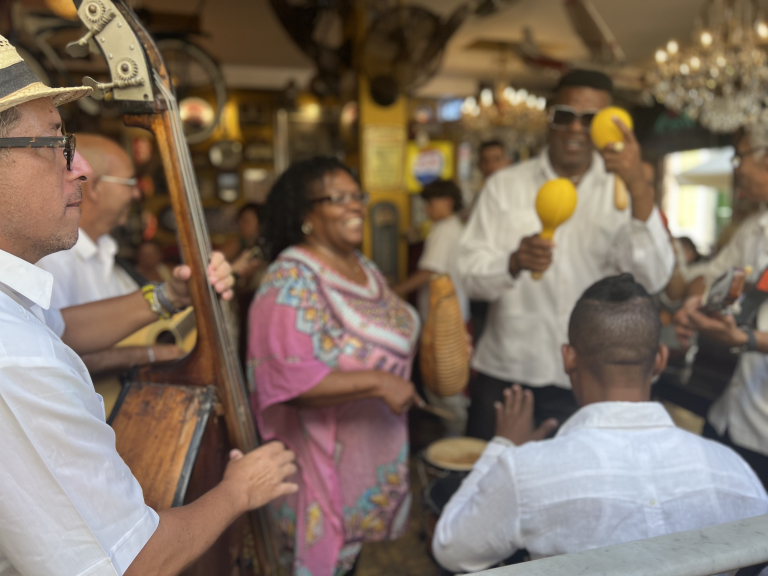
Son took recognizable forms in eastern Cuba and changed as it traveled, especially after groups became established in Havana during the early twentieth century. It joined string-based song traditions with layered percussion, syncopation and call and response. Tres, bongรณ, maracas, claves, bass and, later, trumpet characterized the classic sexteto and septeto sound.
A son often moves from a composed song into a montuno, where a repeated chorus alternates with improvised lead singing. Son became a foundation for later Cuban and international dance music. Our article onย son cubanoย examines its history and continuing practice.
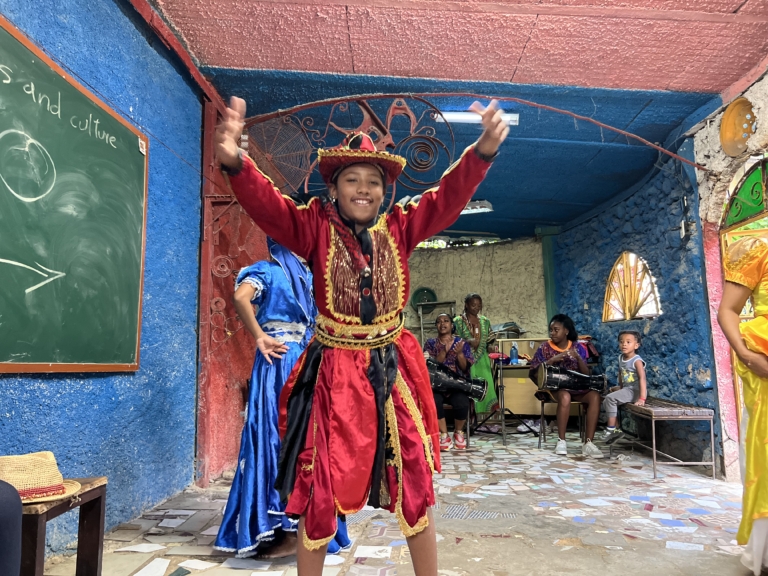
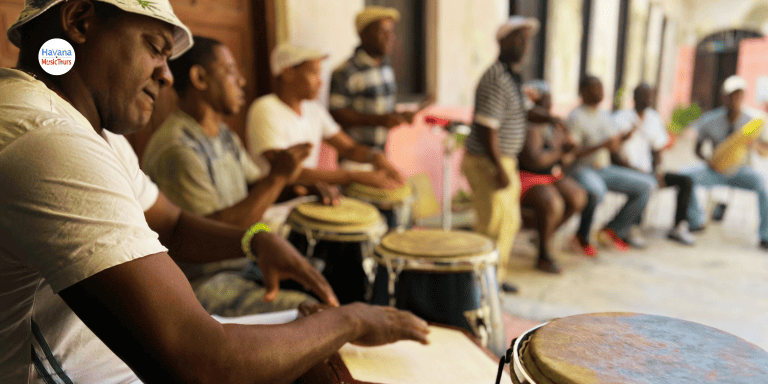
Rumba is different. It developed as a secular community practice centered on percussion, singing and dance, with especially important histories in Havana and Matanzas. Yambรบ, guaguancรณ and columbia have distinct tempos, dances and relationships between singers, dancers and drums. Cuban rumba should not be confused with the ballroom โrumbaโ codified outside Cuba. Read our fuller introduction toย Cuban rumba.

Danzรณn, mambo and cha-cha-chรก
Danzรณn grew from nineteenth-century contradanza and danza. Miguel Faรญlde’s โLas Alturas de Simpson,โ performed in Matanzas in 1879, is conventionally identified as the first danzรณn. The genre later became closely associated with charangas built around flute, violins, piano, bass, timbales and gรผiro.
Within the danzรณn repertory of Antonio Arcaรฑo y sus Maravillas, Orestes Lรณpez and Israel โCachaoโ Lรณpez helped develop the nuevo ritmo and the section called mambo. Dรกmaso Pรฉrez Prado later created the brassy big-band mambo that achieved international success from Mexico.
Enrique Jorrรญn developed cha-cha-chรก with Orquesta Amรฉrica in the early 1950s. Its name refers to the sound associated with the dancers’ steps. These genres share a family history, but they are not interchangeable. Our interview with Toques del Rรญo looks at how younger musicians haveย revisited mambo.
Trova and bolero
Trova grew around singer-songwriters in eastern Cuba, especially Santiago de Cuba, during the late nineteenth and early twentieth centuries. Pepe Sรกnchez, Sindo Garay and Manuel Corona placed guitar and text at the center of performance. Later lines of development included filin and nueva trova.
Cuban bolero emerged from this song culture and entered a broader Latin American tradition through sustained exchange, particularly with Mexico. Love is central to much of its repertory, but bolero also depends on careful poetry, phrasing and interpretation.
Afro-Cuban jazz, songo and timba
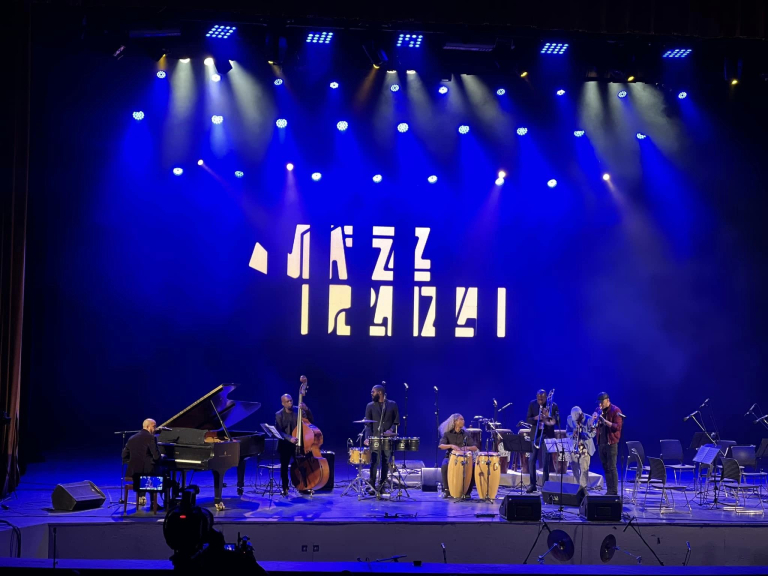
Afro-Cuban jazz grew through exchange rather than a one-way transfer from Cuba to the United States. Mario Bauzรก and Machito were central to its New York big-band language. Chano Pozo’s work with Dizzy Gillespie, including โMantecaโ in 1947, became another landmark. Chucho Valdรฉs, Irakere, Paquito D’Rivera, Gonzalo Rubalcaba and many others later expanded the field. Our longer article tracesย Cuban music’s role in jazz.
Songo developed collectively in Los Van Van after Juan Formell founded the orchestra in 1969. Formell, Josรฉ Luis โChanguitoโ Quintana, Cรฉsar โPupyโ Pedroso and other members reshaped charanga and son through electric bass, drum kit, new piano and percussion concepts, and influences from rock, funk and jazz. Songo is better understood as an approach to arranging and ensemble interaction than as one fixed drum pattern.
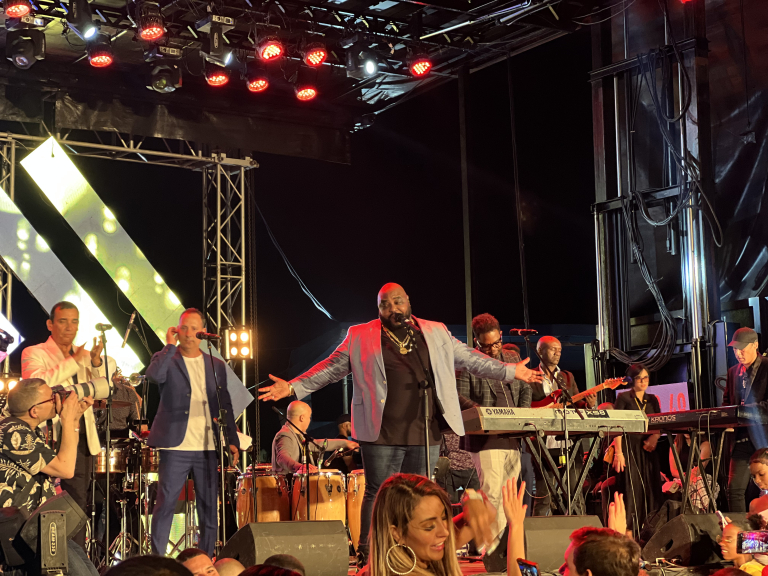
Timba became a distinct force in the late 1980s and 1990s, with Josรฉ Luis Cortรฉs and NG La Banda playing a central role. Its arrangements can turn quickly through bloques, changing bass and piano patterns, horn figures and shifts in rhythmic density. Timba draws from son, rumba, songo, jazz, funk and sacred musical vocabularies, but has its own Cuban history and performance practice. Calling it โCuban salsaโ is convenient, not complete. Our guide toย Cuban salsa and timba bandsย introduces several major orchestras.

Religious and ceremonial traditions
Afro-Cuban religious and ceremonial traditions are not one category. Lucumรญ or Regla de Ocha-Ifรก, Palo or Reglas Congas and Ararรก traditions have distinct languages, instruments and responsibilities. Abakuรก ceremonial repertories belong to a different historical and social institution.
Batรก drumming, praise singing, call and response, dance and specific rhythmic vocabularies have influenced Cuban popular and concert music. That influence does not make sacred repertory public property. A staged folkloric presentation is not a ceremony, and some practices have rules about who may perform, witness or record them.
Havana, Matanzas and Santiago de Cuba
Regional differences remain essential, although music has always traveled. Havana became the country’s main recording, broadcasting and entertainment center; son ensembles changed there, and the city is central to charanga, filin, Afro-Cuban jazz, songo and timba. Matanzas is fundamental to danzรณn and rumba and holds deep Lucumรญ, Ararรก and Abakuรก histories. Santiago de Cuba and the east are central to son and trova, while carnival conga, Tumba Francesa and Guantรกnamo’s changรผรญ demonstrate the region’s Caribbean connections. Ourย Santiago de Cuba articleย adds local context.
These are associations, not borders. Rumba exists beyond Havana and Matanzas, and son belongs to the whole country.

Cuban music today and in the diaspora
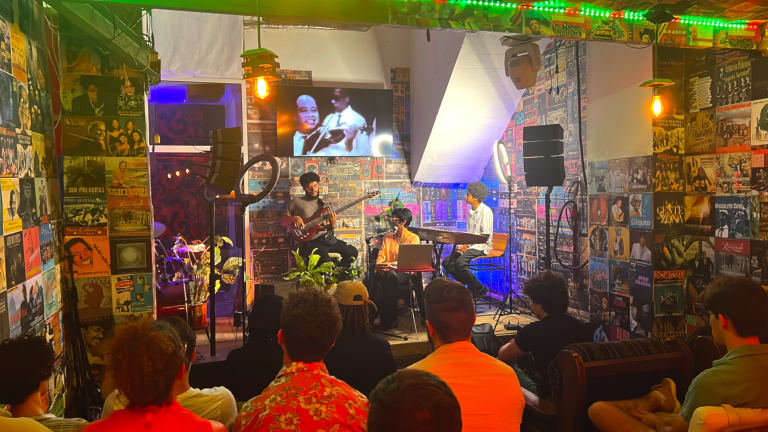
Contemporary Cuban musicians work across timba, jazz, hip-hop, reggaetรณn, electronic music, nueva trova and experimental composition. Alexander Abreu, Yissy Garcรญa, Daymรฉ Arocena, Telmary and Interactivo represent only part of the currentย Cuban music scene. Our selection ofย Cuban women in contemporary musicย offers additional listening.
The diaspora is part of this history, not an appendix to it. Musicians in New York, Miami, Madrid, Mexico City and elsewhere continue exchanging ideas with artists on the island. Cuban music has long been both local and international.
Frequently asked questions about Cuban music
Is all Cuban music salsa?
No. Salsa has deep Cuban roots, but several Caribbean and Latin American communities shaped it. Son, rumba, danzรณn, trova and timba remain distinct traditions.
What is the difference between son cubano and salsa?
Son developed in Cuba around song, tres, percussion, bass and the montuno. Salsa later reworked son, guaracha, mambo, jazz and other Caribbean forms. Son is a major root of salsa, not its synonym.
What is clave rhythm in Cuban music?
Clave is a five-stroke, two-measure pattern that can be played or implied. Its 3โ2 or 2โ3 direction helps organize phrasing among instruments and voices in many Cuban popular genres.
Where did Cuban music originate?
There is no single birthplace. Eastern Cuba is central to son and trova, Havana to many professional ensembles, and Matanzas to rumba and danzรณn. Migration and international exchange connected these histories.
Continue reading
Explore more artist interviews and music-history articles in theย Havana Music Tours journal, orย subscribe to the newsletterย for future cultural writing.
Suggested reading and references
Principal sources, beginning with Cuban musicologists and Cuba-based research, followed by specialist studies in English:
- Acosta, Leonardo.ย Del tambor al sintetizador.ย Havana: Editorial Letras Cubanas, 1983.
- Eli Rodrรญguez, Victoria, and the CIDMUC research collective.ย Instrumentos de la mรบsica folclรณrico-popular de Cuba.ย 3 vols. Havana: Editorial de Ciencias Sociales / Ediciones GEO, 1997.
- Giro, Radamรฉs.ย Diccionario enciclopรฉdico de la mรบsica en Cuba.ย 4 vols. Havana: Editorial Letras Cubanas, 2007.
- Leรณn, Argeliers.ย Del canto y el tiempo.ย 2nd ed. Havana: Editorial Letras Cubanas, 1984.
- Linares, Marรญa Teresa.ย La mรบsica y el pueblo.ย Havana: Editorial Pueblo y Educaciรณn, 1974.
- Orovio, Helio.ย Cuban Music from A to Z.ย Durham: Duke University Press, 2004. Expanded English edition ofย Diccionario de la mรบsica cubana.
- Perna, Vincenzo.ย Timba: The Sound of the Cuban Crisis.ย Aldershot: Ashgate, 2005.
- Sublette, Ned.ย Cuba and Its Music: From the First Drums to the Mambo.ย Chicago: Chicago Review Press, 2004.


ย