Schools · Ensembles · Private groups
Cuba Educational Music Tours
Lessons, workshops, ensemble playing, dance, and cultural exchange. A Cuba learning program shaped around your school, university, ensemble, or private group.
8 days / 7 nights
Sample private program
Havana & Matanzas
Regional musical context
Daily learning
Workshops, lessons & exchange
Built for your group
Goals, level, pace & dates
Learning through participation
Learn Cuban music with the people who make it
Cuban music makes more sense when rhythm, history, movement, and community are experienced together. A private educational tour lets your group move beyond observation and spend time learning directly from working musicians, dancers, music specialists, guides, artists, and independent cultural partners.
We begin with your group’s purpose, repertoire, and experience level. A school or university ensemble may focus on percussion, jazz, rehearsal exchange, and playing with Cuban musicians. Educators and other music learners may combine instrument study, listening, dance, and musical history. Families and community groups can build an approachable program around their interests.
The program is private, non-accredited unless your institution separately arranges credit, and priced by proposal. Student-group pricing may be available based on the final scope.
Learning in practice
See what learning in Cuba looks like
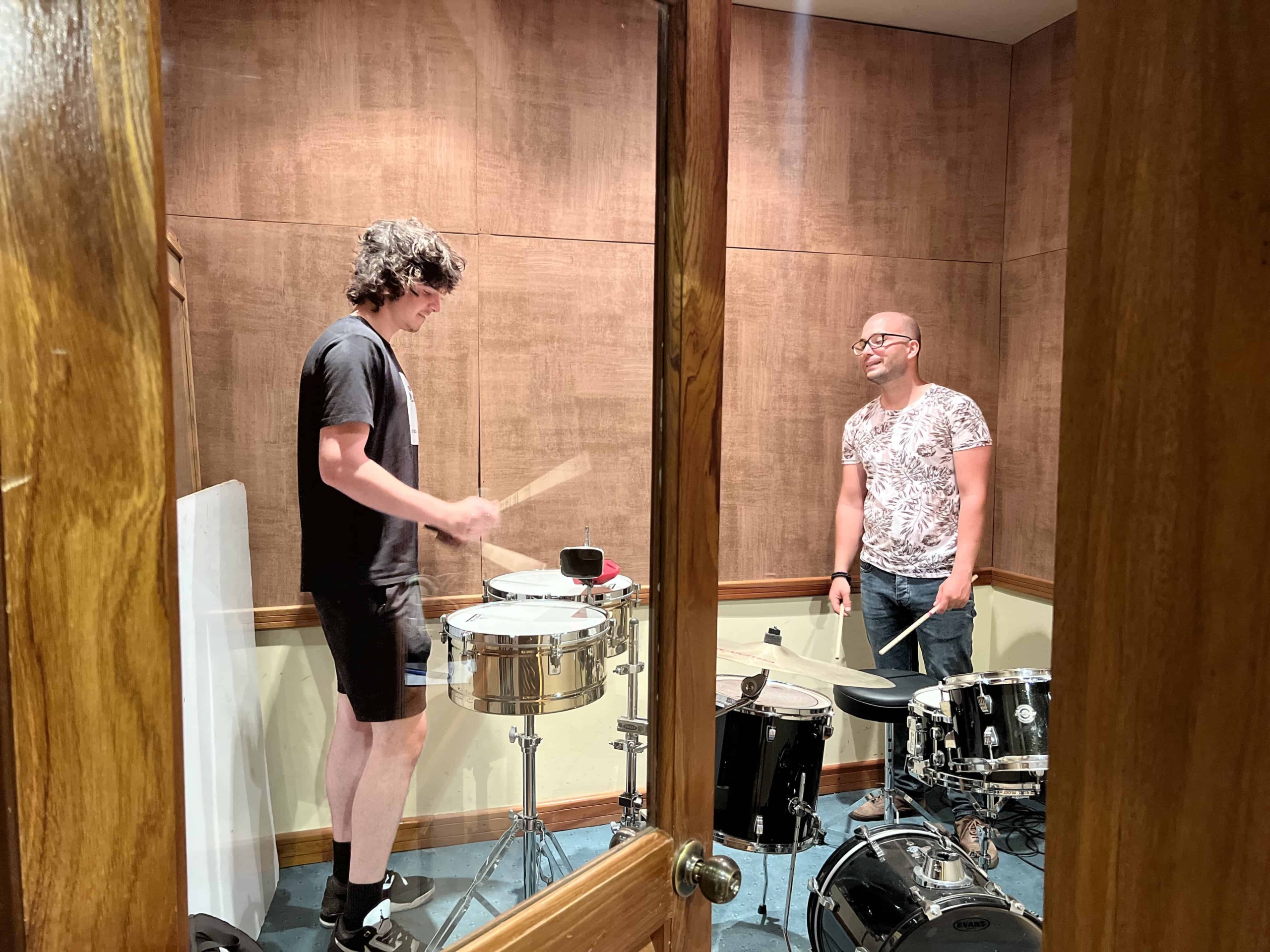
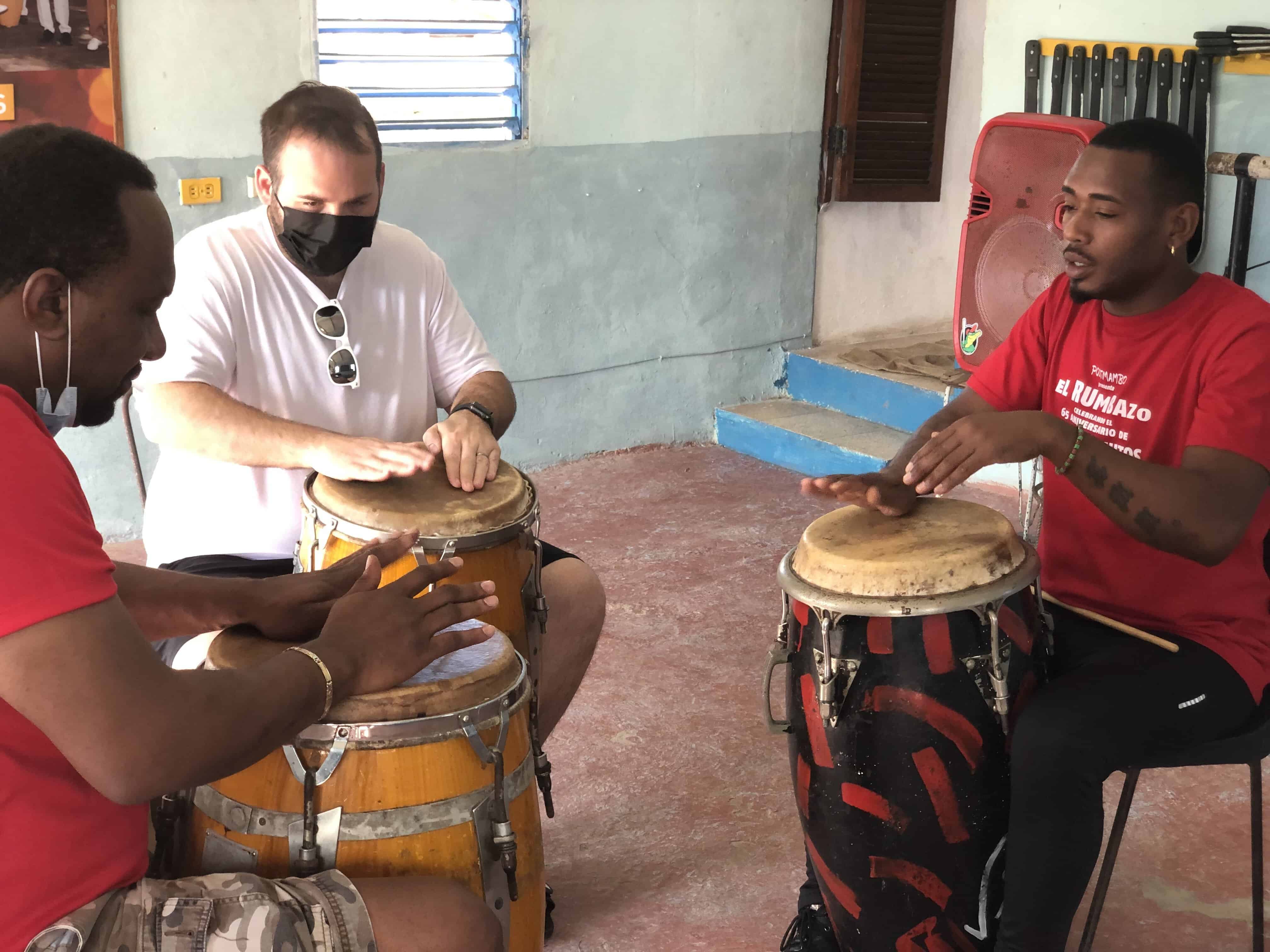
Music education changes when place becomes part of the lesson. Watch moments from past Havana Music Tours programs, from individual study and musicology workshops to students playing alongside Cuban musicians.
Cuba Educational Music Tour · 32 seconds · Published October 21, 2026
Listen, ask, and understand
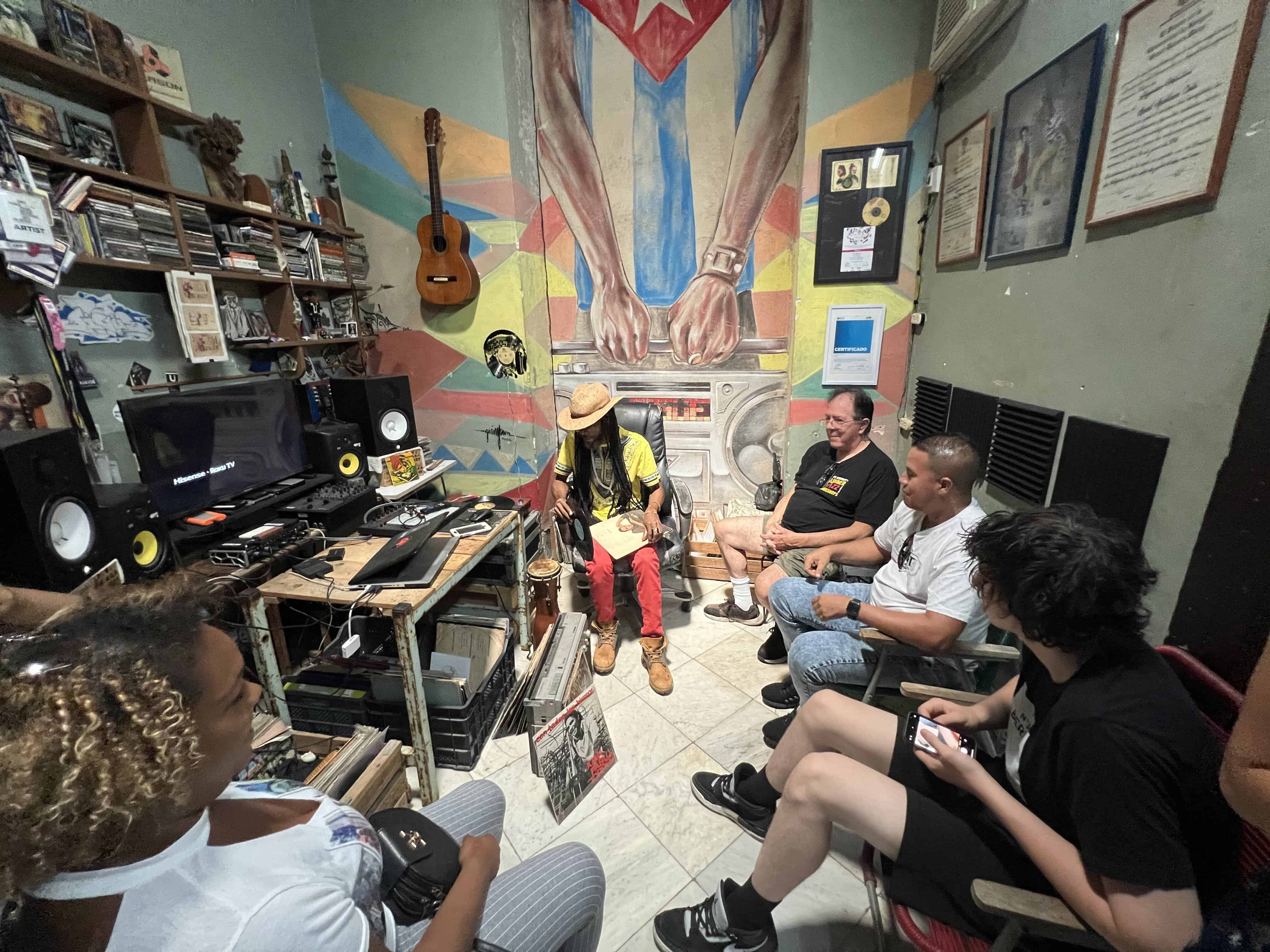
A Cuban music workshop with musicologist Neris González and the Abreu brothers connects musical explanation with the sound of the ensemble. Watch on YouTube.
Students making music together
Ritmo de Plebes performs “Carnaval,” by Alejandro Delgado, with Cuban musicians during our June 2025 educational tour in Havana. Watch the full performance.
These films show past experiences. Artists, venues, lesson formats, and opportunities for exchange are confirmed for each new program.
Choose the emphasis
Study Tracks We Can Build Around
Music history & listening
Son, rumba, jazz, timba, sacred and secular traditions, recording history, and the musical exchange connecting Cuba with the Caribbean and the United States.
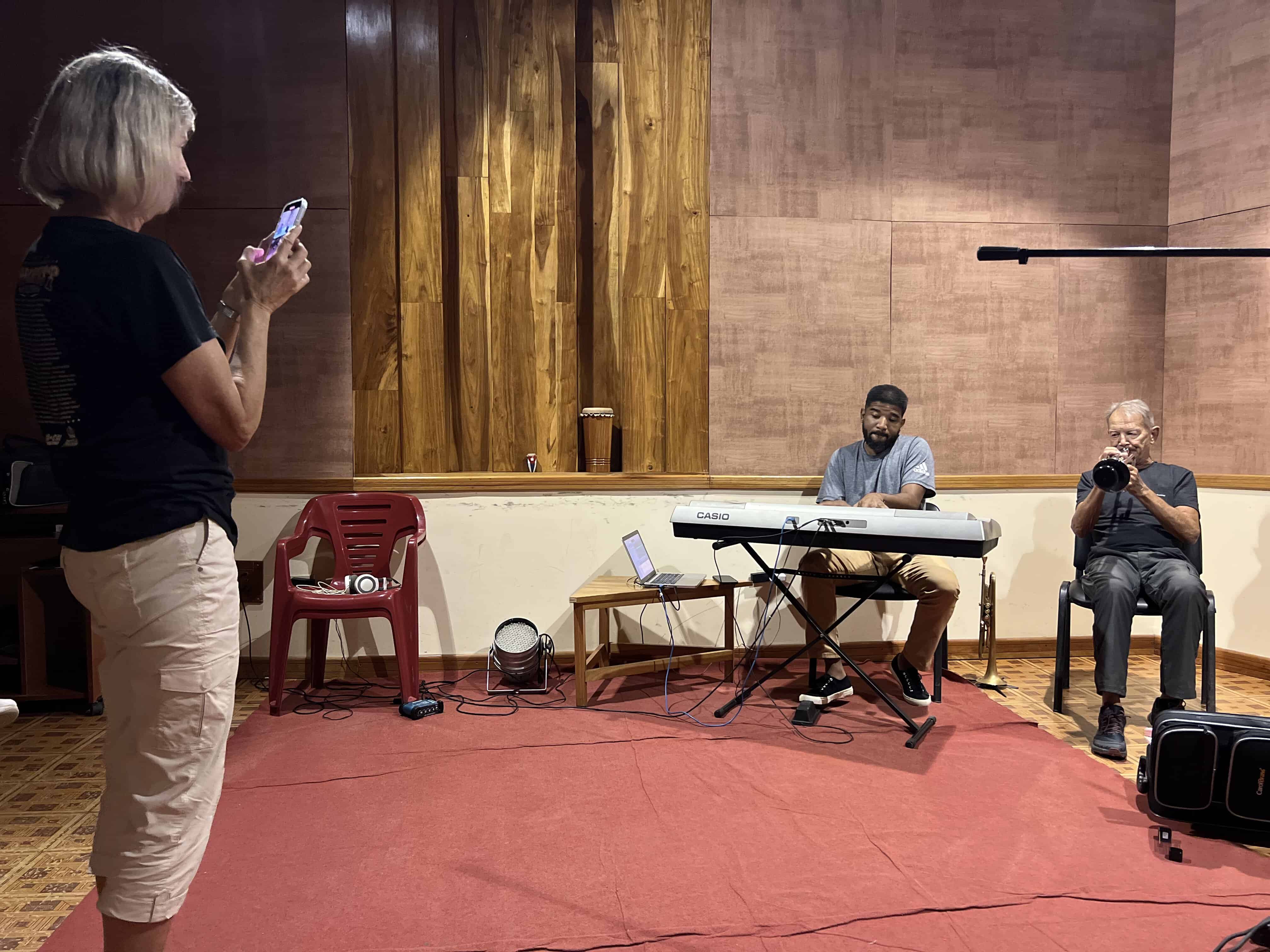
Instrument study
Percussion, piano, voice, bass, tres, guitar, trumpet, trombone, or ensemble work matched to participant level and instructor availability.
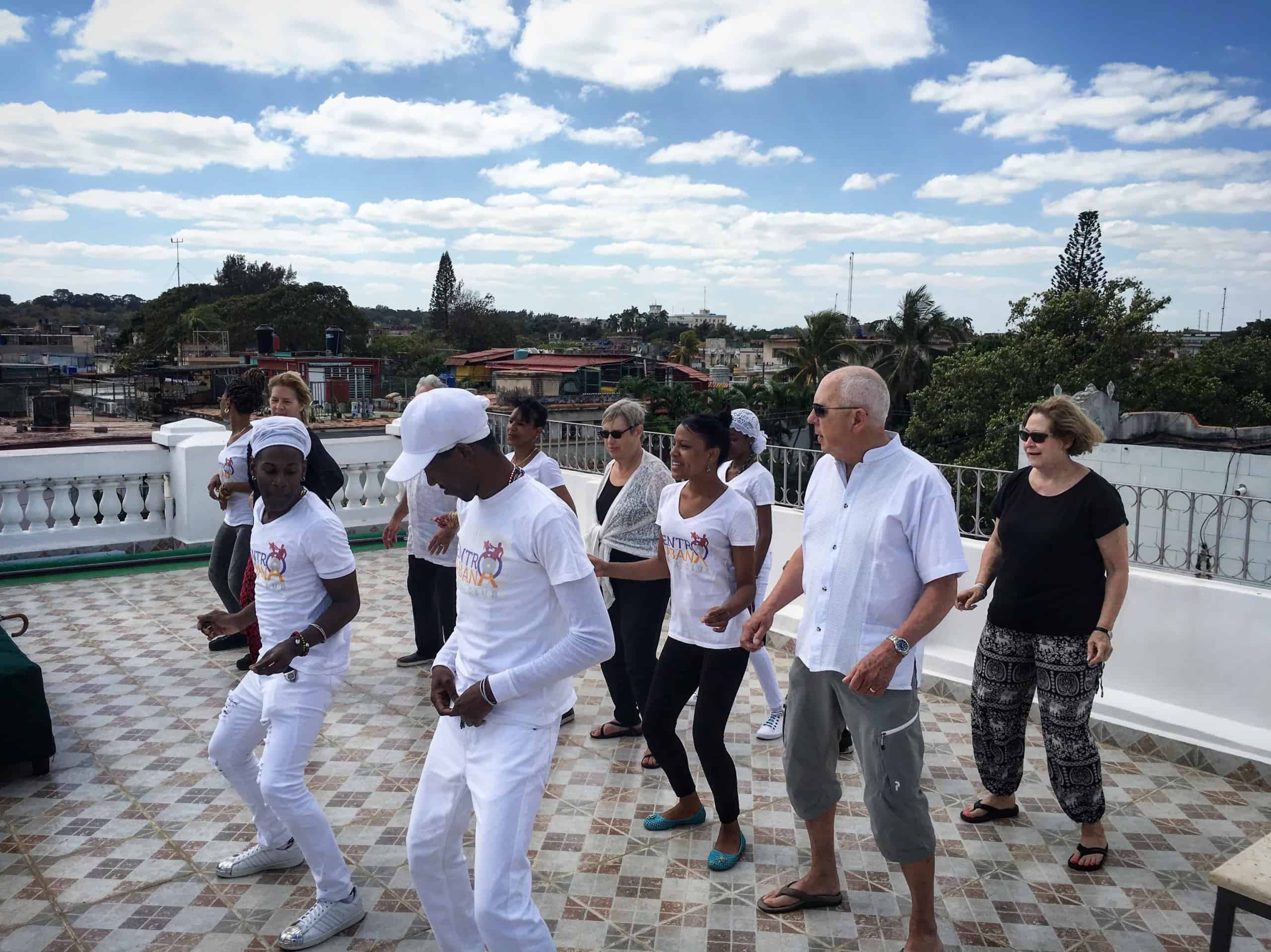
Dance & embodied rhythm
Casino, rumba, movement, clave, partner work, and the cultural context that turns a sequence of steps into musical understanding.
Spanish in context
Practical Spanish, Cuban expressions, listening practice, and guided use during cultural activities for beginner or intermediate learners.
Culture, history & place
Old Havana, neighborhood life, visual art, architecture, private enterprise, foodways, rural and coastal context, and contemporary Cuban perspectives.
Organization-specific goals
Repertoire, peer exchange, educator meetings, research questions, and reflection sessions developed with your faculty lead or group organizer.
Eight-day sample framework
A Full Program We Adapt to Your Goals
The final schedule is timed and trip-specific. Artists, educators, venues, and regional visits are confirmed only after availability and applicable transaction restrictions are reviewed.
Days 1–2 · Orientation & foundations
Arrival, Havana orientation, guided neighborhood context, introduction to Cuban music, group rhythm work, a first dance or movement session, and a selected performance.
Days 3–4 · Focused study
A study day can begin with guided listening or a group introduction to the musical theme, followed by the instrument, voice, dance, language or research work selected for your group. An artist conversation or available evening performance connects the study with musical practice. Your proposal specifies lesson hours, participant level, instructor availability and the balance of study and cultural visits.
Days 5–6 · Rumba & regional context
Afro-Cuban musical history, percussion and movement, a structured Matanzas day with independent cultural partners, and comparison of regional musical practice.
Days 7–8 · Synthesis & departure
Final workshop or group reflection, scheduled community or artist exchange, farewell dinner and performance, then airport transfer on departure day.
Included by proposal
The Learning Program and the Logistics Around It
- Privately operated accommodation with private rooms and bathrooms
- Bilingual musician and music-specialist leadership
- Guides from our team in Cuba, plus instructors, artists, and cultural partners
- Scheduled workshops, lessons, and group sessions
- Confirmed performance reservations and cultural activities
- Private ground transportation and scheduled airport transfers
- Meals specified in the final proposal
- Havana and Matanzas program design when selected
- Pre-departure preparation and documentation
- Flight-timing guidance; flights are not included
- Current eVisa, insurance, cash, and packing reminders
- On-the-ground coordination when schedules change
For student and ensemble groups, the proposal also clarifies musical preparation, instruments or backline, supervision responsibilities, and daily pace with the group organizer. Academic credit and assessment remain with your institution.
Pricing is customized. Group size, dates, lesson hours, instructor mix, accommodation, transportation, meals, and regional travel all affect the proposal. Any card fee and payment schedule will be disclosed before booking.
For U.S. Educational Groups
“Educational tour” describes the learning format. It is not, by itself, a U.S. travel authorization.
We review the eligibility of the proposed program against the activities actually planned and the travelers involved. When appropriate, a qualifying private cultural program may be designed around Support for the Cuban People, 31 CFR § 515.574, with a full-time schedule of qualifying activity, meaningful interaction, and support for independent Cuban activity.
We do not assume that a school, university, ensemble, nonprofit, or professional group qualifies under a particular category because of its name. Academic, professional, research, and institutional programs require activity-specific review. We also review applicable restrictions on accommodations, institutions, instructors, venues, tickets, intermediaries, and direct or indirect payments.
General information only, not legal advice. Travelers and sponsoring organizations remain responsible for determining and documenting eligibility.
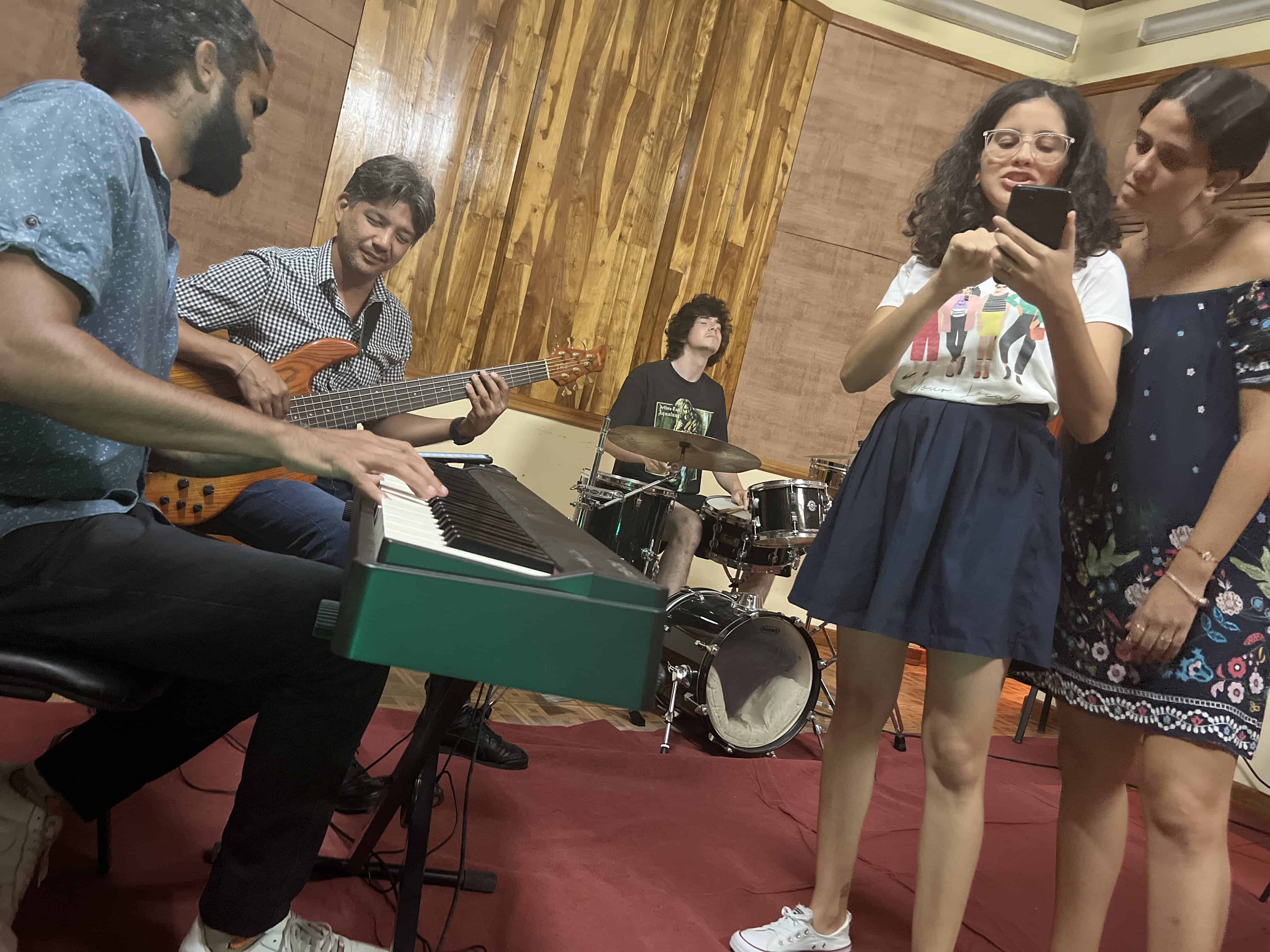
Tell Us What Your Group Wants to Learn
Share your dates, group size and ages, instruments or ensemble type, experience level, learning goals, and accessibility needs. We will prepare a realistic private proposal.
Havana Music Tours contributes 5% of tour revenue to the separate CreatiVrole Project. No separate traveler donation is required, and a contribution does not provide travel authorization.