

Cuban music is often introduced through a short list of genres: son, rumba, salsa and jazz. That vocabulary is useful, but it can flatten the island into one sound. A route that mentions only Havana, Matanzas, Santiago and Guantánamo leaves too much of Cuba unheard. The western countryside, the central provinces, the eastern interior and the Isle of Youth all carry musical histories of their own.
This is not a travel itinerary. It is a listening route across recordings, instruments, rhythmic ideas and regional memory. Musicians move, so no province owns a genre completely. Still, place matters. Ports, farms, sugar communities, theaters, carnivals, religious societies and neighborhood patios created different conditions for music to take shape.
Pinar del Río, Artemisa and Mayabeque: the many sounds of western Cuba
Begin in Pinar del Río with punto cubano, tonada, décima and repentismo. In a canturía or guateque, the poetry is not simply placed on top of the music. The improvised ten-line stanza, the singer’s memory and the response of laúd, tres or guitar form one continuous exchange. Punto is practiced throughout Cuba, but the rural west remains one of its deepest reference points.
The west is not only guajiro music. Pinar also preserves the Bantú-rooted yuka drum tradition, while Artemisa enters the national story through the songwriting lineage associated with San Antonio de los Baños. In Mayabeque, Güines connects the region to the history of Afro-Cuban percussion through figures such as Tata Güines. Even before reaching the capital, several Cubas are already sounding at once.
Havana: the great meeting point
Havana is sometimes presented as the source of every important Cuban sound. It is more accurate to hear it as a powerful meeting point. Musicians arrived from across the island and reorganized regional ideas for theaters, radio, recording studios, cabarets, social clubs and dance bands. Son expanded, danzón orchestras changed, percussion entered new arrangements and jazz became part of a long Cuban conversation.
Filin, nueva trova, songo and timba belong to different social moments, but all reveal Havana’s appetite for synthesis. Listen closely and the rest of the island remains audible: an eastern tres figure, a Matanzas rumba phrase, a guajiro melody or rhythmic knowledge carried from religious and carnival traditions.
Matanzas: rumba, danzón and Afro-Cuban continuity
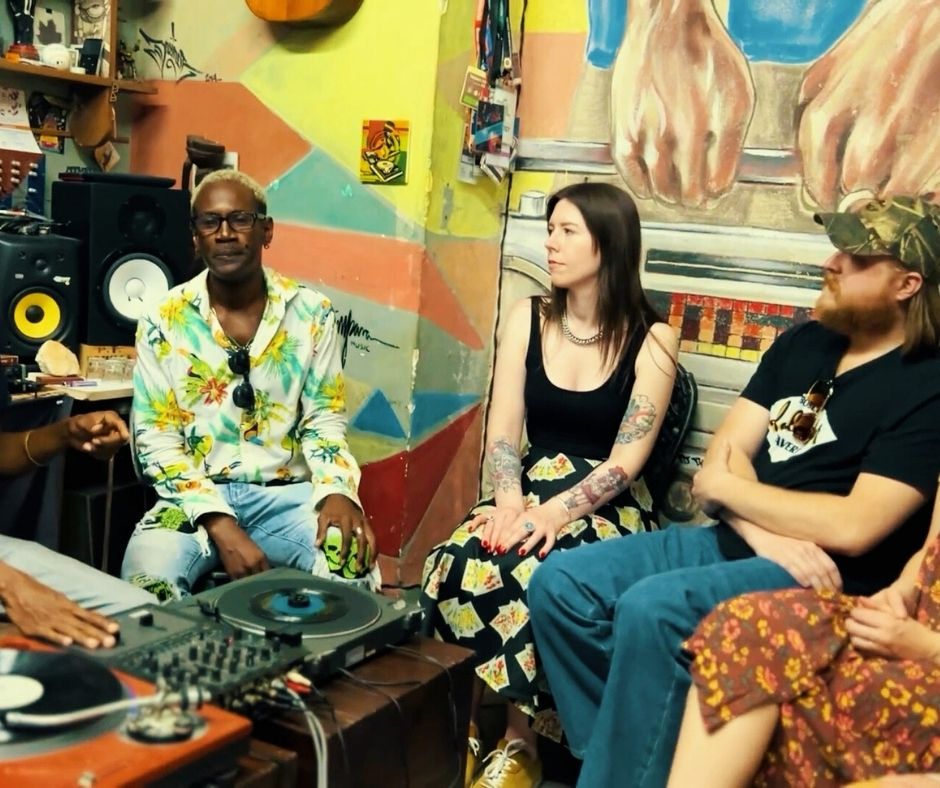
Matanzas is essential to understanding rumba, especially the relationships among yambú, guaguancó and columbia. Rumba is not one beat. It is a family of practices in which percussion, song, dance and gesture answer one another. Clave matters, but so do the lead drum’s phrases, the singer’s timing, the dancer’s choices and the social space holding them together.
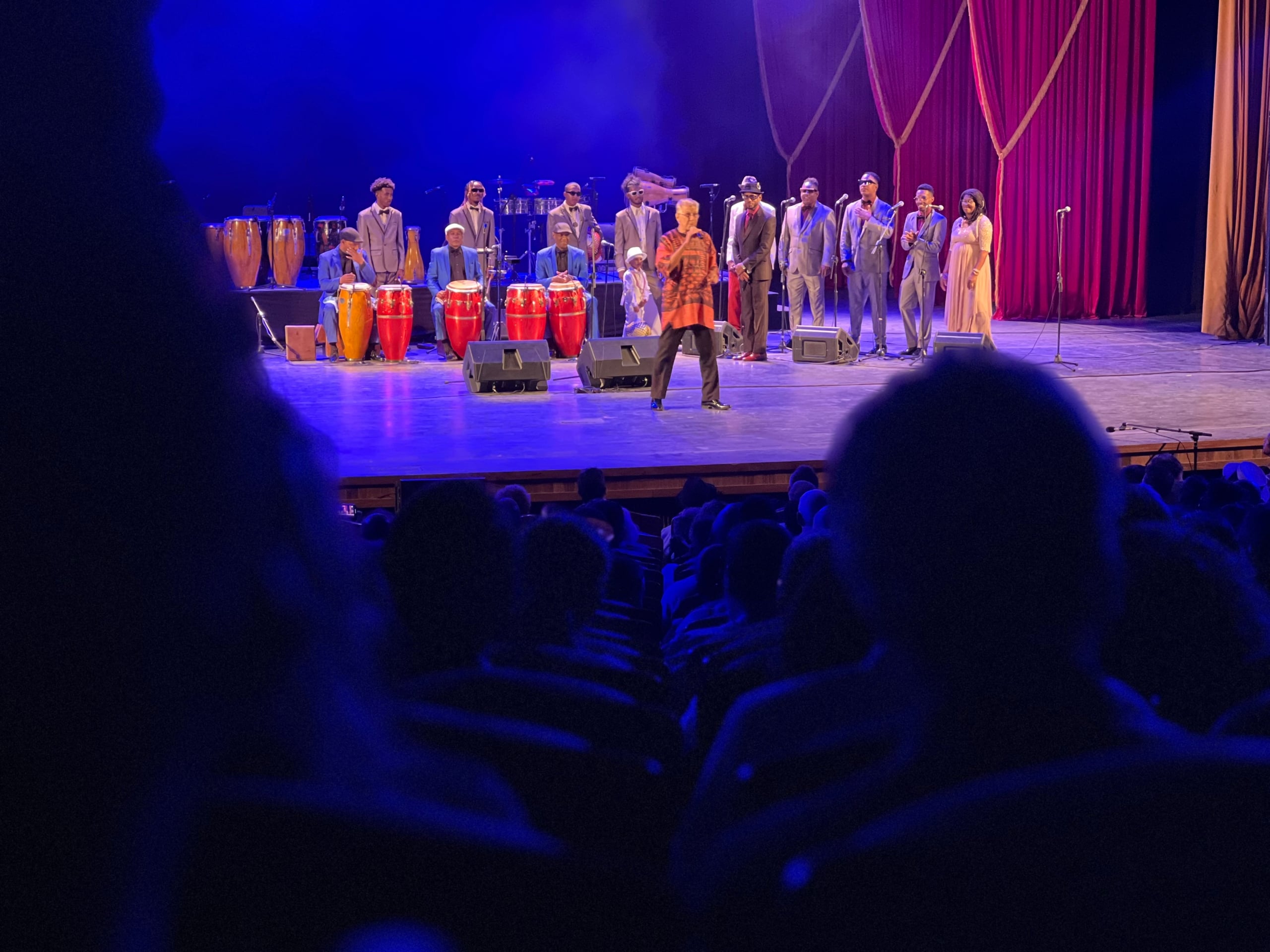
The province also belongs to the history of danzón and charanga. Those musical worlds are very different, yet their coexistence shows why regional labels must remain flexible. Los Muñequitos de Matanzas remain one of the great institutions of Cuban rumba. Continue with our Cuban Music Quick Guide for the wider vocabulary.
Cienfuegos, Villa Clara and Sancti Spíritus: Cuba’s central corridor
Central Cuba cannot be reduced to a bridge between Havana and Oriente. Cienfuegos holds the legacies of Benny Moré, born in Santa Isabel de las Lajas, and Orquesta Aragón, whose charanga language connects danzón, cha-cha-chá and later popular dance music. The province also carries son, bolero, décima and Afro-Cuban traditions that extend well beyond its most famous names.
Villa Clara adds Santa Clara’s strong culture of trova, rock, chamber music and independent artistic exchange. Sancti Spíritus and Trinidad contribute punto, tonada, trova, son, coros de clave and living Afro-Cuban practices. Together these provinces show a central region shaped by rural poetry, string traditions, dance orchestras and urban experimentation rather than one dominant style.
Ciego de Ávila and Camagüey: local bands, carnival and conga
Ciego de Ávila and Camagüey remind us that not every province needs a single export genre to matter. Son, trova, música campesina, municipal bands and carnival practices overlap across this part of the island. The conga camagüeyana has its own instrumental profile, built from differently sized barrel drums, bells and layered percussion. It should not be heard as a smaller version of Santiago’s conga, but as a local carnival language with its own accents and memory.
Las Tunas: décima as a living conversation
Las Tunas deserves more than a passing mention in any Cuban musical map. The province is closely associated with the décima, repentismo and the Jornada Cucalambeana, a major gathering of Cuban rural culture. Here the musical event may begin with a poetic challenge rather than an instrumental hook. The excitement lies in how quickly a singer can shape language, rhyme and local knowledge in front of listeners who understand the form.
Holguín and Granma: son, órgano oriental and the eastern interior
Holguín is a land of son and órgano oriental, with traditions represented by ensembles such as the Hermanos Avilés and the organ groups of the region. The mechanical or pneumatic organ may surprise listeners who expect eastern Cuban music to mean only tres and percussion. Its repertory belongs to dances, rural celebrations and community life, giving the eastern interior a very different ensemble sound.
In Granma, Bayamo and Manzanillo connect trova, son, popular song and national history. Niquero is especially important to the órgano oriental tradition, while Bayamo maintains the memory of Sindo Garay and a broad culture of traditional song. This is the landscape between the famous musical capitals, and it is crucial to understanding how music circulated through Oriente.
Santiago de Cuba: son, trova and carnival
Santiago is central to the histories of son and trova, but neither should be treated as a museum piece. Son joined tres, guitar, percussion, bass patterns, call-and-response singing and dance in forms that changed as musicians moved between countryside and city. Trova made voice and guitar sufficient for poetry, romantic drama, political reflection and precise rhythmic language.
Those traditions overlap with conga santiaguera, Afro-Cuban religious music and tumba francesa. The city’s identity comes from the layers. Compare older son and trova recordings with contemporary ensembles, then listen to how carnival percussion reorganizes the street. Our article on Santiago de Cuba’s traditions explores that history in greater depth.
Guantánamo: changüí and tumba francesa at the eastern edge
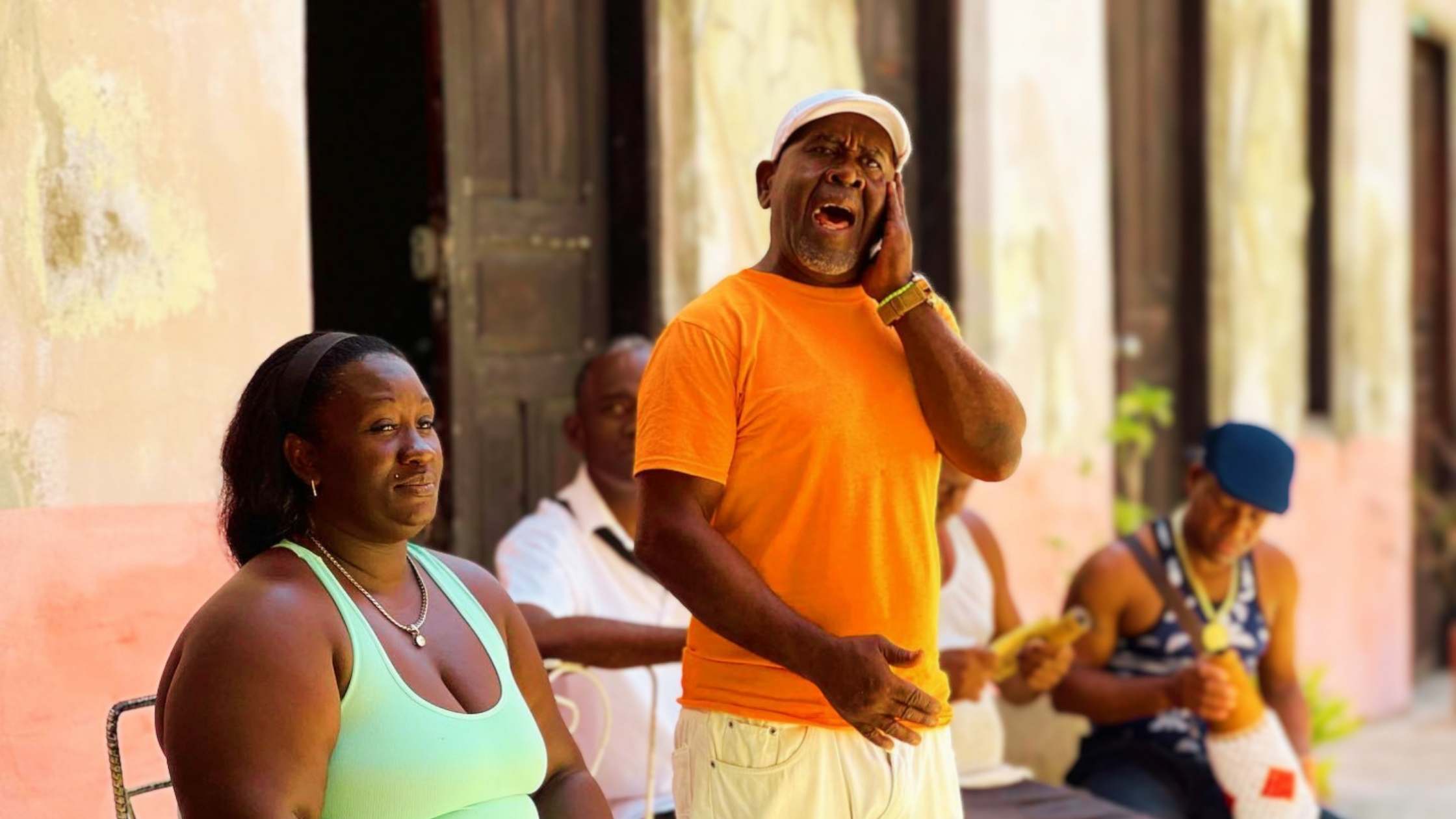
In Guantánamo, changüí remains one of Cuba’s most distinctive regional traditions. Often described as an early relative of son, it has its own rhythmic weight and social character. The tres drives repeated figures and sudden accents while marímbula, bongó, guayo and voices create a texture that feels grounded and elastic. Dancing and improvisation are not additions to the music. They are part of its structure.
Guantánamo is also home to important communities of tumba francesa, created by Haitians and their descendants in eastern Cuba. Its drums, songs, dance formations and French-Creole heritage resist the simplified idea that Cuban culture can be explained only as a meeting of Spain and Africa. Oriente has always been connected to a wider Caribbean.
A coda from the Isle of Youth: sucu-sucu
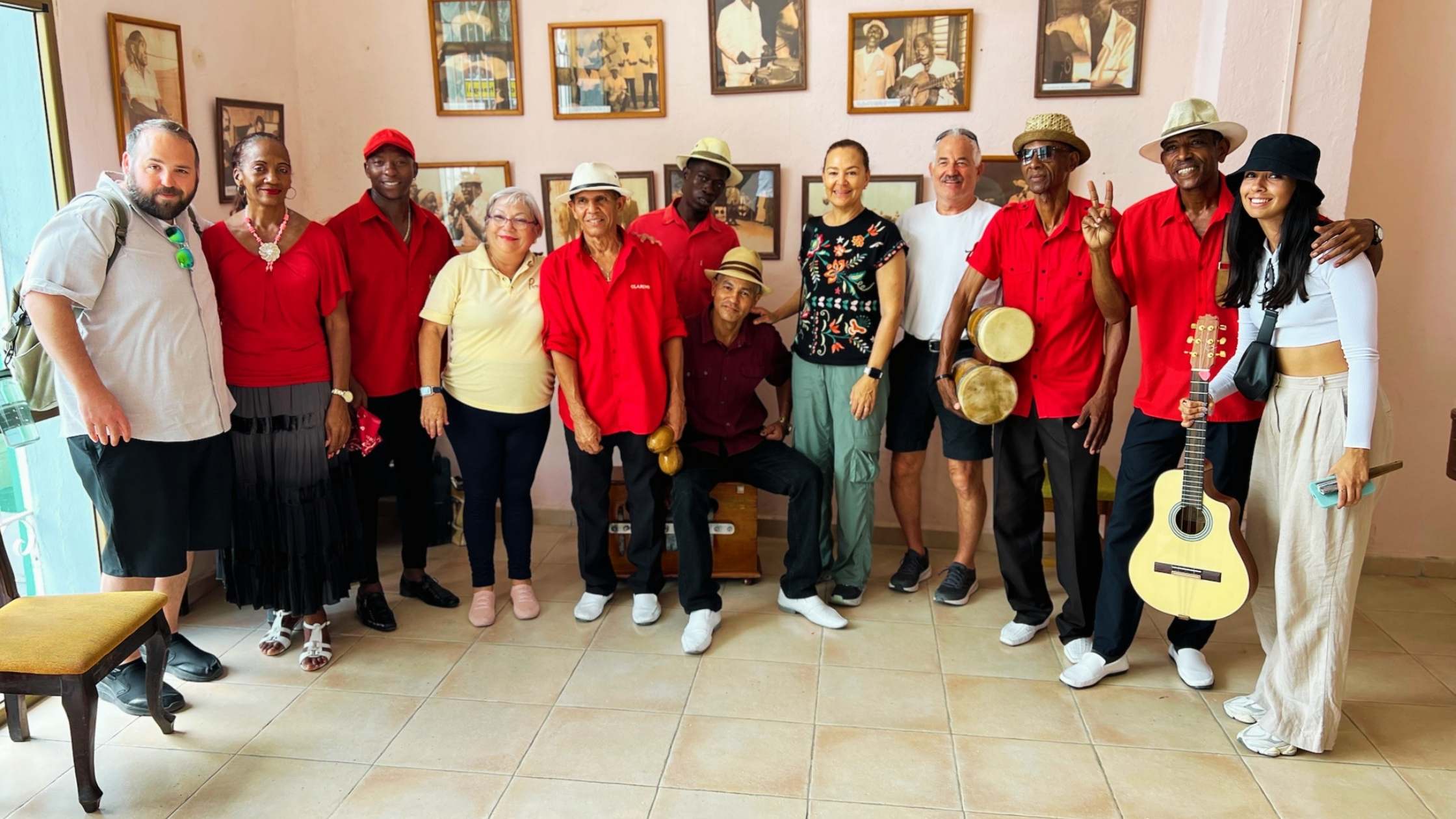
No national musical map is complete without the Isle of Youth and sucu-sucu. Associated with local ensembles, rural social dancing and call-and-response song, it reminds us that Cuban music did not develop along one mainland corridor. The island within the island created its own center.
How to hear the complete route
The point is not to assign one genre to each province. Use geography as a listening question: Where did this rhythm develop? What kind of gathering shaped it? Which instruments were available? What happened when musicians carried it somewhere else?
A revealing Cuban playlist might place punto beside yuka, charanga beside conga camagüeyana, órgano oriental beside son, and sucu-sucu beside timba. The contrasts show a culture connected by movement but never reduced to sameness.
Continue with our guide to Cuban musical styles and our article on son cubano and UNESCO recognition. We will keep expanding this map through the Havana Music Tours journal, one tradition and one community at a time.