All posts
Through our Music Travel Blog, discover unique musical traditions, iconic festivals, and vibrant music scenes.
Welcome to our Music Travel Blog, where we explore the world through the universal language of music. This blog is dedicated to music lovers and travelers alike who seek to experience the rich tapestry of global musical traditions, iconic music festivals, and vibrant music scenes that define destinations around the globe.
Our posts uncover the stories and sounds that make each culture unique, from the energetic rhythms of Brazilian samba to the soulful melodies of American blues. Join us as we visit legendary venues, from the jazz clubs of New Orleans to the classical concert halls of Vienna, sharing insights into the music that shapes these cities’ identities.
Our adventures also take us to some of the world’s most renowned music festivals, where we experience the magic of live performances and the communal spirit of music fans from all walks of life. Whether it’s the electrifying atmosphere of Glastonbury or the traditional vibes of Morocco’s Gnawa Music Festival, our blog brings you front-row experiences from festivals that celebrate music’s diversity.
But it’s not just about the destinations but the journey. Our Music Travel Blog offers tips for traveling musicians, from packing the right gear to finding gigs abroad, and advice for music enthusiasts on creating a soundtrack for their travels. We also spotlight the musicians, artisans, and communities we meet along the way, whose stories and talents enrich our understanding of the world.
So, whether you’re planning your next musical getaway or simply dreaming of distant melodies, our Music Travel Blog is your guide to experiencing the world through music. Let’s set out together on a voyage of discovery, where every note opens the door to a new adventure.
Son Cubano is UNESCO’s Newest Heritage: Why it’s the Soul of Cuban Music
UNESCO has officially inscribed the practice of Cuban Son on the Representative List of the Intangible Cultural Heritage of Humanity. For Cuba, this recognition affirms a truth musicians, families, and communities have carried for generations: Son Cubano is not merely a genre. It is a shared cultural memory and one of the strongest expressions of Cuban identity.
The designation follows the work of Cubaโs Ministry of Culture, the National Council of Cultural Heritage, and the National Committee of Intangible Heritage. They presented the detailed documentation demonstrating how this essential form of Cuban music continues to thrive across the island. UNESCO emphasized its vital intergenerational transmission, its role in community life, and its powerful influence as a cornerstone of Cuban culture.
Why Son Cubano is the Foundation of Cuban Music (And Salsa)
Son Cubano has shaped the evolution of Cuban popular music for more than a century. It blends the poetic structure of the Spanish canciรณn with potent Afro-Cuban rhythm, poetry, and call-and-response singing. The music originated in the eastern region of the island and later spread to Havana, where it helped shape urban music-making and the modern Cuban son style.
Even as foreign genres have come and gone throughout Cuban history, the core of Cuban Son still carries a familiar charge. Its defining syncopationโdriven by the interlocking clave rhythmโis a musical code Cubans instantly recognize. That same energy resonates internationally, where listeners respond to the distinctive groove and melodic clarity of this quintessential salsa music ancestor.

Essential Listening: The Unforgettable Songs of Son Cubano
The history of Son Cubano is full of unforgettable pieces. Even naming only a few demonstrates how deeply this tradition is woven into Cuban life:
-
โSon de la Lomaโ โ Trรญo Matamoros
-
โGuajira Guantanameraโ โ Joseรญto Fernรกndez
-
โรchale Salsitaโ โ Septeto Nacional
-
โChan Chanโ โ Compay Segundo
-
โQuรฉ Bueno Baila Ustedโ โ Benny Morรฉ
-
โPor Encima del Nivelโ โ Juan Formell & Los Van Van
-
โY Quรฉ Tรบ Quieres Que Te Denโ โ Adalberto รlvarez y su Son
-
โMe Dicen Cubaโ โ Alexander Abreu & Havana DโPrimera
These songs are more than repertoire. They are emotional anchors and cultural markers that bind generations.
“El son es lo mรกs sublime para el alma divertir”
Ignacio Piรฑeiroโs famous line, meaning “Son is the most sublime thing to divert the soul,” still captures the feeling this music inspires. The tradition has grown from rural gatherings to international concert halls, and it continues to evolve through new generations of soneros. The tres, the bongos, the bass, the clave, and the poetry remain at the center of Cuban musical expression.
UNESCOโs decision affirms what many already knew. Son is a living cultural force. It is an art form that binds history, community, and creativity.
Experience Son Cubano: Meeting the Music in Cuba Today
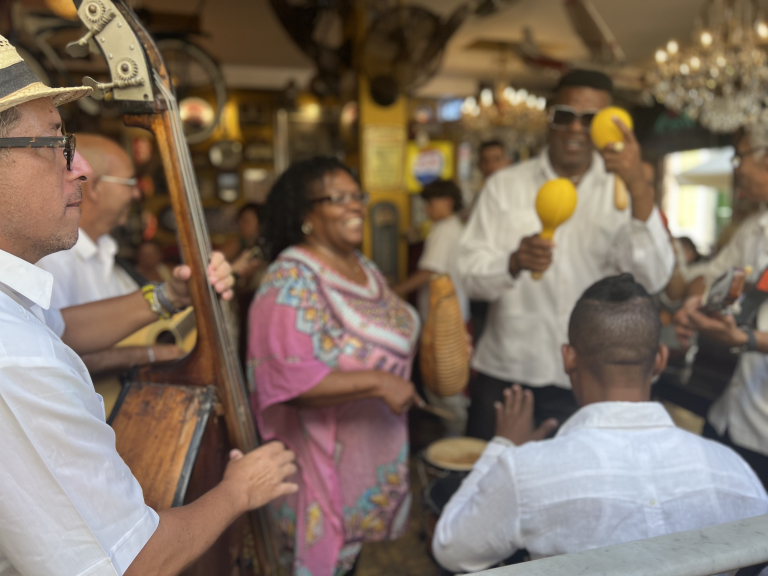
On our music-focused tours in Cuba, guests often experience Son Cubano in its most authentic environments:
-
Home-based rehearsals and neighborhood gatherings.
-
Conversations with musicians who grew up inside the tradition.
-
Encounters with rising ensembles, shaping the future of the style.
-
Festival nights where the roots and contemporary expressions of Cuban son meet.
These direct, personal moments reveal why Son Cubano remains essential to Cuban culture and why UNESCO chose to recognize it. Ready to go beyond the playlist? Experience Cuban Son directly.
The Ultimate Expression: Our VIP Havana Salsa Festival Tour
To witness the full evolution of son into modern Cuban salsa music (or timba), consider our VIP Havana Salsa Festival Tour. This tour integrates the intimate cultural encounters of our general programs with the energy of Cuba’s largest music event.
You’ll not only learn from artists carrying the son tradition forward but also receive exclusive VIP access to the festival, featuring performances by Cuba’s biggest orchestras like Alexander Abreu y Havana DยดPrimera, Los Van Van, and more.
Explore our educational programs in Cuba or book your VIP Festival experienceโyour journey into the soul of Cuban sound starts now!
Jazz Plaza 2026: A Week of World-Class Jazz in Havana
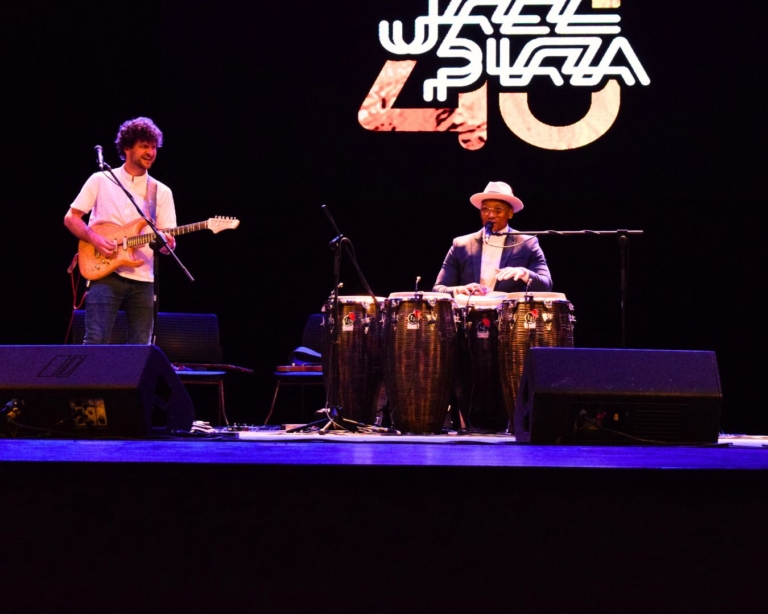
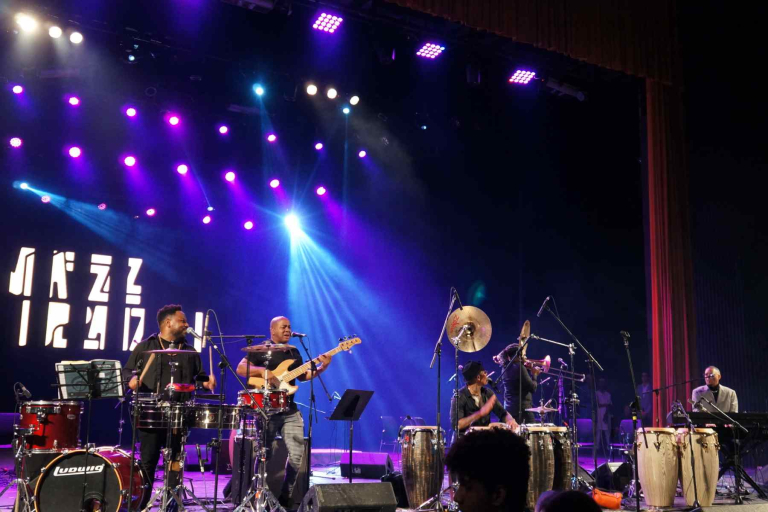
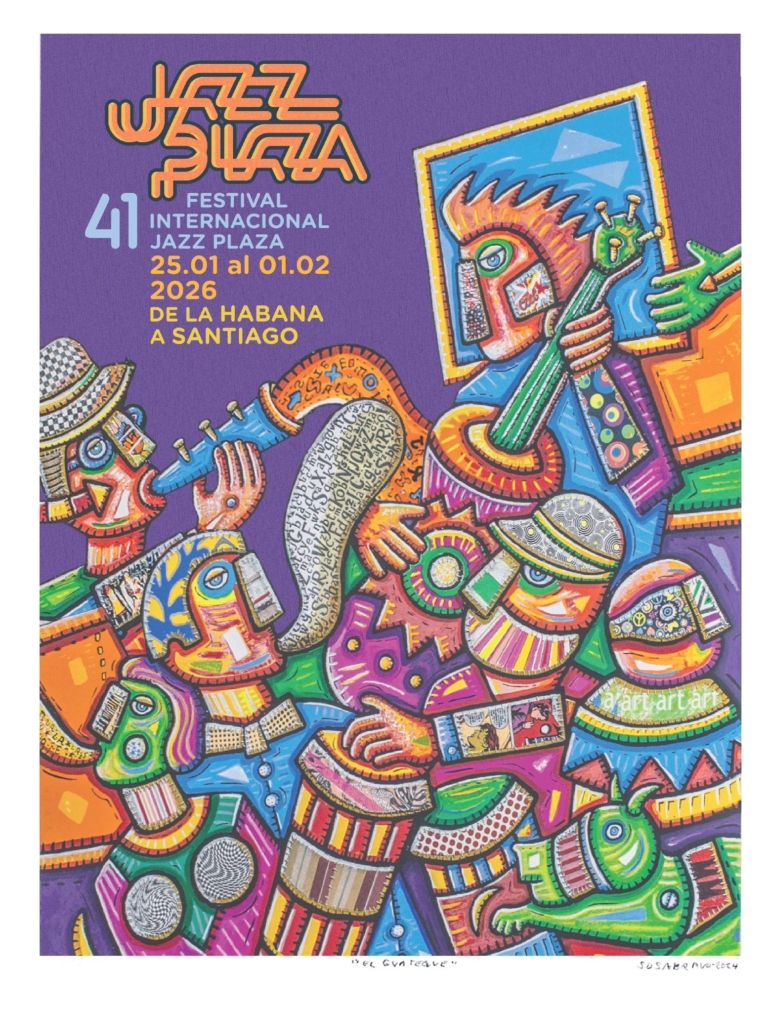
Every January, Havana becomes the heart of Latin jazz. The Jazz Plaza Festival 2026, taking place January 25 โ February 1, 2026, brings together some of the world’s finest jazz musicians with Cuba’s legendary performers for a packed week of music, culture, and connection. This year marks a major expansion as the Havana Jazz Festival 2026 reaches new cities, including Santiago de Cuba, Santa Clara, and, for the first time, Holguรญn.
For travelers heading to the event, Havana Music Tours has been the trusted guide for years, helping music lovers experience the festival and the people at the heart of Cuba’s jazz scene. In this post, weโll cover the festival highlights and break down exactly what our guided tour includes.

Festival Highlights: A Week of World-Class Jazz in Cuba
The 2026 edition of Jazz Plaza Festival promises to be the most ambitious yet. With over 70 international artists confirmed from the United States, Brazil, Spain, France, and the United Kingdom, the festival showcases the global reach of jazz while celebrating its deep Cuban roots. Top Cuban jazz musicians, including Roberto Fonseca, Ernรกn Lรณpez-Nussa, Ignacio โNachitoโ Herrera, Frank Fernรกndez, Harold Lรณpez-Nussa, Jorge Reyes, Dayramir Gonzรกlez, Rolando Luna, Rodney Barreto, Oliver Valdรฉs, Alejandro Falcรณn, Marialy Pacheco, Yilian Caรฑizares, will perform alongside international headliners at iconic venues like Teatro Nacional, Fรกbrica de Arte Cubano, Teatro Martรญ, and Museo Nacional de Bellas Artes.
Jazz Plaza stands out because it weaves together jazz with traditional Cuban music forms like rumba, son, and Afro-Cuban rhythms. It’s a true cultural celebration where improvisation meets tradition, legendary performers share stages with emerging talents, and every concert tells the story of Cuba’s musical evolution. Live music in Havana during festival week fills not just theaters but also intimate clubs, outdoor plazas, and neighborhood peรฑas, creating an atmosphere that pulses with creative energy.
Confirmed Havana Jazz Fest Concerts & Highlights for 2026
While the full schedule is still emerging, the festival has confirmed an incredible list of special concerts in Havana. Here are some of the must-see concerts:ย
- Opening Concert: A special performance by maestro Frank Fernรกndez with music students.
- Closing Concert: The festival will close with a performance by the one and only Roberto Fonseca.
- “De la Habana a Montreux”: A must-see concert featuring Cuban winners from the Montreux Jazz Festival, including Marialy Pacheco, Yilian Caรฑizares, Rolando Luna, Jorge Luis Pacheco, and Harold Lรณpez-Nussa.
- International Headliners: Don’t miss US pianist Aaron Goldberg , a performance by Arturo O’farrill , and the Black Alley Band (USA) and JoGo Project (USA).
- Top Cuban Acts: The Casa de la Cultura de Plaza will host superstars like Alain Pรฉrez, Havana D’ Primera, and Issac Delgado.
- Dance & Jazz: Showing the festival’s blend of arts, the acclaimed Mal Paso Dance Company will perform.
- Special Tributes: The festival will honor several legends, including a tribute to Sosabravo’s 95th Anniversary with the National Symphony Orchestra , a 75th Anniversary celebration for Conjunto Roberto Faz , and a tribute to Conjunto Arsenio Rodrรญguez led by Dayramir Gonzรกlez.
- Anniversary Celebration: The legendary group Sรญntesis will celebrate its 50th Anniversary with a special concert.
Jazz Plaza stands out because it weaves together jazz with traditional Cuban music forms like rumba, son, and danzรณn. It’s a true cultural celebration where improvisation meets tradition, legendary performers share stages with emerging talents, and every concert tells the story of Cuba’s musical evolution.
What Our Havana Jazz Plaza Festival Tour Includes
Havana Music Tours doesn’t just get you to the festival; we get you right to the heart of it. Ourย Havana Jazz Plaza Tour (January 26th-February 2nd, 2026) is designed for travelers who want more than a seat at a concert. We focus on an authentic experience, guiding you every step of the way.
- Premier Concert Access: We secure VIP and reserved seating at the festival’s premier performances, ensuring you experience the best of Jazz in Cuba without the stress of navigating ticket systems or language barriers.
- Guided Cultural Experiences: Beyond the main stage, we take you inside Cuba’s living music culture. Visit legendary venues where Cuban jazz was born, attend intimate jam sessions with local musicians, and explore historical sites that shaped the sounds you’ll hear at the festival.
- Boutique Accommodations & Private Transport: Stay in carefully selected accommodations that reflect Havana’s character and charm. Our private transportation means you’ll move comfortably between venues, neighborhoods, and cultural experiences.
- Meet the Musicians: A unique part of our tours is the direct access to Cuban jazz musicians and festival performers. Share conversations, ask questions, and gain insights that transform performances from entertainment into understanding.
- Expert Local Support: Our team includes local guides, musicians, and cultural liaisons who know Havana’s music scene intimately. They’ll provide insider access, make introductions, and ensure every detail runs smoothly.
- Legal Compliance for U.S. Travelers: All our tours operate under full OFAC licensing compliance, so American travelers can participate with complete confidence and peace of mind.

Why Join Havana Music Tours for Jazz Plaza 2026
For over four decades, the Jazz Plaza Festival has been Cuba’s premier platform for jazz excellence. The 2026 edition is shaping up to be particularly exciting, with a world-class lineup of international artists and unmissable local collaborations. As cultural travel to Cuba continues to draw sophisticated travelers seeking authentic artistic experiences, this festival stands apart as a true meeting point of cultures, generations, and musical traditions.
The logistics of traveling to Cuba for the festival can be complex, including venue changes, language barriers, transportation between cities, and understanding the cultural context, all require local knowledge. That’s where we come in. Havana Music Tours handles every detail so you can focus entirely on the music, the people, and the experience. With years of festival experience and deep relationships within Cuba’s music community, we don’t just attend Jazz Plaza, we live it, and we invite you to join us.

Join Us in Havana This January
Spaces for our Havana Jazz Plaza Festival Tour 2026 are limited and filling quickly. This is your opportunity to experience one of the world’s great music festivals with expert guidance, authentic cultural access, and the camaraderie of fellow music lovers.
Book Your Spot on the Havana Jazz Plaza Festival Tour โ
Let the music of Cuba move you. We’ll see you in Havana.
Cubaโs New Sound: The Abreu Brothers Take the Stage
ABC News recently profiled Fabio and Diego Abreu, two teenage musicians from Havana who are already reshaping the landscape of Cuban jazz. For me, their recognition on an international platform is both exciting and deeply personal.
As a colleague of their mother, Iโve watched them grow up, and their talent was obvious from a very early age. At 19 and 17, the brothers bring a technical command and artistic maturity that belie their age. Their success confirms what I and many others in our community have witnessed firsthand: a new generation of Cuban musicians is ready to lead.
A Family Steeped in Music
The Abreu brothers grew up surrounded by music at the highest level. Their mother, my dear colleague Neris Gonzalez, is a Cuban musicologist whose career has been devoted to documenting and teaching the countryโs complex traditions. Their father, Yaroldys Abreu, is a well-known percussionist whose rรฉsumรฉ includes work with Irakere and Chucho Valdรฉs, names that defined Cuban jazz on the world stage.
That background gave Fabio (drums) and Diego (piano) more than just access to instruments; it also provided them with a shared passion for music. It placed them inside conversations about form, history, rhythm, and interpretation from childhood.
Their playing carries that lineage: an easy fluency with Cuban clave, a sensitivity to harmony shaped by both conservatory study and family rehearsal, and a willingness to treat jazz as a living language rather than a fixed repertoire.
From the Home to the Stage: La Casa Producciones
This commitment to music is also a professional mission. Neris is the founder of La Casa Producciones, an independent cultural project dedicated to promoting authentic Cuban music. More than a record label, itโs a hub for creation and education that organizes workshops, produces historical materials, and curates intimate concerts. For Fabio and Diego, this meant they grew up not just in a musical family, but inside a living cultural workshop.
The importance of a project like this for Cuba’s new generation of musicians is immense. In a landscape often defined by official institutions, La Casa Producciones provides a vital independent space where young artists can connect with masters, collaborate freely, and develop their own voices. It ensures that the future of Cuban music is nurtured by a community that is deeply invested in both its rich history and its constant evolution.
Early Performances and the Shape of Their Sound
When the brothers first began appearing in Havana venues a few years ago, their performances already carried a distinct character. Diegoโs piano playing shows a balance between percussive montuno figures and extended jazz voicings, often moving from tightly clustered chords to open, impressionistic textures.
Fabioโs drumming is a masterclass in control and fire; he anchors every piece with a deep understanding of Afro-Cuban tradition but explodes with jazz improvisation, driving the ensemble with complex polyrhythms.
Hearing them together is to listen to a dialogue in motion. Their interplay recalls classic small-ensemble jazz traditions, yet Cuban rhythmic sensibilities always frame it.
It is not unusual to hear them reference danzรณn cadences or rumba phrasing inside an otherwise straight-ahead jazz setting. This fusion is what makes their music feel both grounded and forward-looking.
A Generation Finding Its Own Space
The ABC News article underscored an important context: the availability of internet access in Cuba since 2018 has allowed younger musicians to study recordings, exchange ideas, and share performances in ways that were once impossible. Coupled with the rise of smaller independent venues, artists like the Abreu brothers are creating scenes outside the old infrastructure.
They are part of a generation comfortable moving between the conservatory and the club, the rehearsal studio and the online livestream. For audiences, this means you can now hear young players drawing equally from John Coltrane, Chucho Valdรฉs, and contemporary New York jazz while still staying rooted in Cuban forms.

Recent Collaborations in Education
On a recent educational tour our organization hosted, I had the immense pleasure of working directly with Fabio and Diego alongside their mother, Neris. Together, they prepared a guided walk through Cuban music history.
Neris offered context on the evolution of styles, and the brothers illustrated these transitions on their instruments, Diego tracing melodic and harmonic shifts on the piano while Fabio demonstrated the evolution of the underlying rhythmic patterns on the drums.
It was not a performance in the conventional sense. It was a class in motion, where history and sound became inseparable. To see this lesson led by a family spanning two generations of expertise was truly remarkable.
Where to Hear the Abreu Brothers
Today, the Abreu brothers are active across Havana. They can often be heard at intimate venues, like Fangio Habana, festivals like the Havana Jazz Festival, and larger cultural spaces. Their sets shift depending on the room: a tight quartet in a jazz club, or collaborations with other young players in multi-artist showcases. For those traveling with us, there are opportunities to attend workshops and live concerts where they and their peers are shaping Havanaโs new sound.
Why Their Story Resonates
Having seen their talent from its earliest stages, I find the story of the Abreu brothers especially resonant. They embody the continuity of Cuban music, carrying the discipline of conservatory training, the grounding of a family steeped in tradition, and the curiosity of young artists who refuse to stop at boundaries. Their recognition by ABC News signals what many of us have already seen: that Havana remains a city where new voices rise quickly, and where the future of jazz is being written in real time.
Plan Your Visit
Our programs are designed around educational exchange with musicians like the Abreu brothers. From structured workshops to late-night club sets, we place travelers inside the conversations shaping Cuban music today.
For U.S. guests, these tours operate under OFAC general licenses for Educational Activities and Support for the Cuban People.
Best Time to Visit Havana for Music: A Musicianโs Guide to Planning Your Trip
Havana is a city where every corner carries a melody. From traditional son and rumba to modern jazz, salsa, and timba, music flows through plazas, clubs, and living rooms. If you are deciding the best time to visit Havana for music, a little planning before you arrive will make your trip even more rewarding.
Time Your Visit for the Music You Want Most
One of the biggest draws for music lovers is the Havana Jazz Festival, held every January. The festival fills theaters, clubs, and open-air plazas with performances from some of Cubaโs most respected musicians alongside international artists. Tickets can be hard to secure, and schedules are often released late, so many travelers choose to arrange their trip through a guided music experience. This way, the logistics, festival access, and local connections are handled, leaving more time to focus on the music.
If your trip falls outside jazz festival week, thereโs still an impressive lineup throughout the cooler months from November to April. For many travelers, this is the best time to visit Havana for music, from the Havana Salsa Festival in late February or early March, to ongoing rumba gatherings, intimate jazz events, and other special performances. Even without a major festival, thereโs almost always something worth planning your nights around.
Decide on Your Musical Priorities
Havanaโs music scene is diverse and spread across neighborhoods. Some travelers plan their days around live jazz clubs, while others seek out traditional music patios, late-night timba shows, or private percussion lessons. Deciding what excites you most will help shape your itinerary and influence where you stay. Vedado offers access to major theaters and arts spaces, while Centro Habana brings you closer to spontaneous street-level performances.
Build Connections Before You Arrive
Some of the most memorable moments happen away from the main stages, at rehearsals, in private homes, or in late-night gatherings that arenโt on any public schedule. These spaces often open up through personal connections. Traveling with someone who knows the musicians and the unlisted venues, like our team at Havana Music Tours, can lead you to experiences that visitors rarely find on their own.
Leave Space for the Unexpected
Schedules in Havana tend to be flexible. A concert might start later than planned, or a band could switch venues with little notice. Leaving some open time allows you to follow tips from locals, stumble upon an unplanned street performance, or accept a spontaneous invitation to a jam session. These unplanned moments often become the highlights of a trip.
Prepare the Practical Details Early
For travelers from the United States, it is important to make sure your trip complies with current travel regulations. Many visitors travel under the โSupport for the Cuban Peopleโ category, which encourages direct engagement with local communities. Sorting out flights, accommodations, and a general itinerary in advance will keep your focus on enjoying the trip once you are there.
Let the Anticipation Grow
Before your trip, spend time exploring Cuban music. Listen to recordings, watch concert footage, and read about the history behind the styles youโll hear. By the time you arrive, the songs will already feel familiar, and the connections you make will be deeper.
At Havana Music Tours, we design musician-led experiences that connect you with Havanaโs music from the inside. Whether itโs aligning your visit with a major festival or creating a private, year-round itinerary, our goal is to help you experience Cubaโs music in ways that feel genuine, personal, and unforgettable.
Cubaโs Tourism Ban for U.S. Travelers Explained: What It Really Means for Your Travel in 2025
This article provides the latest information about legal travel to Cuba for U.S. travelers as of July 2025. However, U.S.-Cuba policies are evolving, and new announcements continue to create questions. We will update this blog as needed and share further information in our Travel Updates & Regulations section, where you can always find the latest news and resources.
Thereโs been a lot of confusion this week after President Trump released a new Cuba policy update โ officially called NSPM-5. Social media and some news outlets have made it sound like traveling to Cuba is suddenly off-limits again for U.S. citizens.
Letโs set the record straight:
You can still legally travel to Cuba as a U.S. traveler. Nothing significant has changed about that.
The Truth About the U.S. Tourism Ban to Cuba โ Itโs Not New
First, itโs important to understand the terminology. When people say thereโs a โtourism banโ to Cuba, they arenโt talking about a total ban on travel โ theyโre referring to a long-standing U.S. policy that prohibits pure tourism for U.S. travelers.
In fact, the tourism ban has been in place for over 60 years, dating back to the early 1960s. Itโs not new. It applies no matter who is in the White House โ Republican, Democrat, or otherwise.
But that does not mean U.S. travelers cannot visit Cuba. It simply means you canโt go for a typical beach vacation with no legal reason.

How Legal Travel to Cuba Works for U.S. Travelers
Instead of unrestricted tourism, U.S. travelers visit Cuba under whatโs called authorized travel categories, regulated by the U.S. Treasury Departmentโs Office of Foreign Assets Control (OFAC). These categories ensure your trip has a legal purpose that aligns with U.S. regulations.
There are 12 authorized travel categories, including:
โ๏ธ Educational activities
โ๏ธ Support for the Cuban people
โ๏ธ Professional research and meetings
โ๏ธ Humanitarian projects
โ๏ธ Religious activities
At Havana Music Tours, we specifically operate under the Support for the Cuban People category โ one of the most viable and durable options for U.S. travelers. This category encourages meaningful exchanges with Cuban entrepreneurs, musicians, artists, and other members of Cuba’s growing private sector.
While Group People-to-People Educational Activities was another popular category for cultural tours like ours, it has historically been more vulnerable to political changes. In fact, during his previous term, President Trump eliminated that category, and President Biden later restored it. With Trump’s recent announcement indicating plans to revoke Biden’s Cuba policies, Group People-to-People travel could be restricted again in the near future.
Thatโs why we focus on Support for the Cuban People, which remains a legal, stable way to experience Cuba, even as administrations change.

What Did Trumpโs New Cuba Policy Actually Change?
On June 30, 2025, the Trump administration released NSPM-5, outlining updated U.S. policy toward Cuba. Understandably, this sparked concern and confusion, especially for U.S. travelers.
So what does it really mean?
- The long-standing tourism ban remains, but thatโs been in place for decades.
- The 12 authorized travel categories, including Support for the Cuban People, are still in place, for now.
- But Trump has clearly stated his intention to reverse President Bidenโs Cuba travel policies, which could affect certain categories.
This latest policy primarily focuses on tightening sanctions against the Cuban government and military-linked businesses, similar to previous Trump-era measures. It does not eliminate the existing legal pathways for U.S. travelers to visit Cuba under OFAC licenses.
Avoid the Confusion โ Travel the Right Way
Unfortunately, misinformation often spreads quickly, especially online. Weโve seen social media posts and commentaries incorrectly claiming:
๐ซ “Americans can’t travel to Cuba anymore” โ False.
๐ซ “The tourism ban means no more Cuba trips” โ Misleading.
๐ซ “You can just go under the radar” โ Risky and illegal.
Hereโs the reality: If you attempt to visit Cuba outside of the authorized categories, you could face serious consequences, including frozen bank accounts, steep OFAC fines, and complications with your U.S. legal status if youโre not yet a citizen.
The safest, simplest option? Travel with a reputable organization like Havana Music Tours that ensures your trip is compliant, educational, and fully documented.
How We Ensure Legal, Meaningful Travel to Cuba
Our tours are designed to comply with U.S. regulations while providing unforgettable, authentic cultural experiences. We focus on:
- Educational exchanges with Cuban musicians and artists
- Supporting private Cuban entrepreneurs and cultural projects
- Staying in privately-owned accommodations, not government hotels
- Creating real connections that support Cuban civil society
We handle the logistics, documentation, and compliance details โ so you can enjoy the music, culture, and beauty of Cuba with peace of mind.

Final Thoughts: Yes, You Can Still Travel to Cuba as a U.S. Citizen
Despite the headlines, Cuba remains open to U.S. travelers โ just not for unrestricted tourism. The rules have been in place for decades, and they continue to allow legal, educational, and cultural travel under OFAC guidelines.
At Havana Music Tours, weโve been guiding travelers through this process for years, ensuring every trip is both legal and impactful.
If youโre curious about how it works or want to join an upcoming music tour, contact us here. Weโre happy to answer your questions and help you experience Cuba โ the right way.
Disclaimer: This blog is for informational purposes only and does not constitute legal advice. Travelers are encouraged to consult official U.S. government resources or an attorney regarding Cuba travel regulations.ย ย
Yes, U.S. Travelers Can Still go to Cuba in 2025โHereโs What You Need to Know
This article provides the latest information about legal travel to Cuba for U.S. travelers as of June 2025. However, U.S.-Cuba policies are evolving, and new announcements continue to create questions. We will update this blog as needed and share further information in our Travel Updates & Regulations section, where you can always find the latest news and resources.
If youโre planning a trip to Cuba or thinking about joining one of our cultural tours, hereโs the truth:
YESโU.S. Travelers can still go to Cuba in 2025, legally. The new proclamation signed by President Trump on June 4, 2025, does not ban U.S. citizens or residents from visiting Cuba.
Letโs break it down:
What the New โTravel Banโ Really Is
The June 2025 proclamation is not a ban on American citizens visiting other countries.
It is a ban on certain foreign nationals entering the United States.
Specifically, it suspends entry into the U.S. for citizens of 19 countries, including Cuba, under certain nonimmigrant visa categories (such as B-1/B-2 tourist visas and student visas). It targets foreign nationals from those countries, not Americans.
To be clear:
-
This new rule does not stop Americans from flying to Cuba.
-
It does not restrict U.S. airlines or Cuba-bound tours.
-
It does not affect U.S. passports or Cuba travel categories authorized by the U.S. government.
Americans Can Still Travel to CubaโLegally
U.S. citizens can still travel to Cuba under one of the 12 approved categories of travel established by the U.S. Treasuryโs Office of Foreign Assets Control (OFAC). The most popular and practical for independent travelers and small groups is โSupport for the Cuban People.โ
Thatโs the license category under which most of our Cuba tours operate.
To comply with the rules, your trip must involve a full-time schedule of meaningful interactions with local Cubans, such as staying in privately owned accommodations (casas particulares), attending performances by independent musicians, dining at local restaurants (paladares), and more. Thatโs exactly what we do on our tours.

Why Is Cuba on the ListโAnd Why It Still Doesnโt Affect Your Trip
Cuba was included in the recent proclamation along with several other countries, but many experts and travelers view this inclusion as more political than practical. The U.S. continues to label Cuba as a โstate sponsor of terrorismโโa designation that is widely criticized and not reflective of the reality on the ground.
But again, this proclamation is about who is allowed to come into the U.S., not who is allowed to leave the U.S. to travel abroad.
Unless youโre a Cuban citizen applying for a new U.S. tourist or student visa, this policy does not affect you.
What This Means for Your Cuba Trip
If youโre a U.S. citizen or resident:
-
You can still legally travel to Cuba in 2025
-
Our tours operate under a โSupport for the Cuban Peopleโ general license, still valid under U.S. law as of July 2025
-
You will need a Cuba Tourist Card, which serves as a visa for entry into Cuba
-
While we don’t issue the Tourist Card ourselves, weโll guide you through the simple process of getting oneโmost travelers obtain it easily through the airline or a trusted third-party provider
-
Your trip remains fully legal and compliant with current U.S. regulations, as long as you engage in meaningful cultural interactions, which is exactly what our tours are built around.
Learn more about Cuba Travel Licenses for Americans here.
Why This Mattersโand Why You Should Still Go
Travel to Cuba isnโt just legalโitโs meaningful.
At a time when misinformation and restrictions are increasing, choosing to visit Cuba the right way is a powerful act of connection. It supports local musicians, artists, small business owners, and independent guidesโpeople who rely on cultural exchange and tourism to thrive.
Weโve spent years building close relationships with Cubaโs music community. Our tours offer more than sightseeing. Youโll experience:
-
Private performances by world-class Cuban musicians
-
One-on-one exchanges with artists, dancers, and historians
-
Time in Havanaโs jazz clubs, recording studios, and street scenes most tourists never get to see
-
Authentic, ethical travel that supports real peopleโnot state-run entities
Whether youโre visiting for the legendary Havana Jazz Festival or joining one of our curated music and culture Cuba tours, your trip is part of something bigger: sustaining creativity, sharing culture, and building bridgesโone rhythm at a time.
Bottom Line
Donโt let the headlines scare you.
This new proclamation does not stop Americans from going to Cuba. It restricts certain foreign nationals from entering the U.S.โit has nothing to do with your ability to visit Cuba legally.
So if youโve been dreaming about the music, culture, and rhythm of Cuba, nowโs a great time to go, with confidence.
Explore responsibly. Travel legally. Support the Cuban people.
10 Must-Know Cuban Salsa and Timba Bands That Keep the Island Dancing
Cuba doesnโt just play music โ it breathes it. Especially when it comes to salsa and timba, the pulse of the island is in the basslines, the brass, and the call-and-response between singer and crowd. Whether youโre deep into the scene or just getting started, here are five essential bands lighting up Havanaโs dance floors and stages across the globe.

1. Alexander Abreu y Havana DโPrimera
Thereโs a reason Havana DโPrimera is at the top of so many playlists and festival lineups. Led by Alexander Abreu โ one of the most respected trumpeters and songwriters in Cuba โ the band combines sharp lyricism with some of the tightest arrangements in modern Cuban music. Whether theyโre performing for a packed Malecรณn crowd or an intimate theater, they deliver a powerful, emotional, and dance-ready experience.

2. Los Van Van
An institution. Formed in 1969 by the legendary Juan Formell, Los Van Van redefined Cuban music by introducing the songo rhythm โ a precursor to timba โ and pushing boundaries with their fusion of funk, rock, jazz, and traditional Cuban forms. Today, under the direction of Juanโs son Samuel Formell, the band remains a cornerstone of the Cuban salsa world.

3. Maykel Blanco y Su Salsa Mayor
Known for their crisp arrangements and explosive energy, Maykel Blanco y Su Salsa Mayor are a staple in Havanaโs dance clubs. Their music is bold, fast, and packed with hooks. If youโre looking for the kind of timba that commands a dance floor from the first beat, this is the band.

4. Alain Pรฉrez y Su Orquesta
Alain Pรฉrez is a musical force โ equally skilled as a bassist, singer, composer, and bandleader. Having worked with legends like Irakere and Paco de Lucรญa, he brings jazz, flamenco, and Afro-Cuban elements into his timba and salsa fusion. His band brings virtuosity without losing the groove, offering a fresh and deeply rooted take on Cuban dance music.

5. Manolito Simonet y Su Trabuco
With decades of hits and international touring, Manolito Simonet y Su Trabuco strikes a balance between classic son montuno, salsa dura, and hard-hitting timba. Their arrangements are rich but accessible, often giving plenty of room for instrumental solos and vocal interplay. Theyโve earned their spot as one of the most respected bands in the Cuban salsa scene.

6. Isaac Delgado y Su Orquesta
A former frontman of NG La Banda and one of the most iconic voices in timba history, Isaac Delgado has long been known as โEl Chรฉvere de la Salsa.โ He helped shape the modern timba sound in the โ90s and continues to evolve as a solo artist. His current band delivers groove-heavy, smooth, and danceable sets.

7. Adalberto รlvarez y Su Son (Honorable Legacy)
Although Adalberto passed in 2021, his contributions to Cuban son and salsa are legendary. Known as โEl Caballero del Son,โ he modernized the genre and brought son to new generations. His music is still played everywhere in Cuba and remains foundational.

8. Bamboleo
This group helped define the female-led timba explosion in the late โ90s and early 2000s. With their aggressive brass lines and unapologetic stage presence, Bamboleo carved out a unique space in Cuban salsa history. Theyโve had several lineup changes, but continue to bring serious fire.

9. Elito Revรฉ y Su Charangรณn
Founded by Elio Revรฉ and now directed by his son Elito, this band bridges changรผรญ, timba, and Afro-Cuban traditions. The Charangรณn is raw, percussive, and deeply rooted in Cuban folklore. They often bring elements of Santerรญa rhythms into modern arrangements.
10. NG La Banda
Often credited with inventing timba, NG La Banda was a game-changer. Under Josรฉ Luis Cortรฉs (El Tosco), they introduced aggressive brass lines, street-smart lyrics, and funk-style energy to Cuban dance music. While theyโre not as active now, their impact is still felt in nearly every band that came after.
Cubaโs Soundtrack Keeps Evolving
These arenโt just bands โ theyโre part of a living ecosystem. Some have been playing for decades, others are reshaping timba for the next generation. And in Havana, you can still catch many of them live on any given week โ in theaters, nightclubs, hotel lounges, or street corners.
If youโre serious about Cuban music, hearing these groups live is like stepping into a masterclass. And if youโre curious to time your trip around something truly special, we just released the 2026 Havana Salsa Festival Tour dates at Havana Music Tours โ itโs one of the best times of year to experience this music firsthand.
A Snowy Morning, a Spinning Record, and the Rhythms That Took Me to Cuba
By Chaz Chambers, Founder of Havana Music Tours
Itโs a snowy spring morning in Coloradoโthe kind that makes you pause, sip your coffee a little slower, and let the moment unfold. My six-month-old son is hanging out with me in the living room, and weโve got an Afro-Cuban jazz record spinning on my new Rega Planar 1 Plus. Itโs the first real high-quality turntable Iโve ever owned, and I didnโt realize how much of a difference it would make. This morning, everything sounds clearerโcrisper. Itโs the first time Iโve truly heard this record.
I bought this album years ago, probably around 2015 or 2016, when I was touring with Ringling Brothers Circus as a drummer. I canโt remember exactly whereโsome record store along the roadโbut I do remember picking it up with a kind of curiosity. At that point, I had already studied a little bit of Cuban musicโthings like the difference between rumba and son, or playing basic variations of guaguancรณ. But in music school, we never really dove into Afro-Cuban jazz or talked much about Chano Pozo. My interest came more from listening and exploring on my own.
When I found that record, something clicked. The rhythms pulled me in deeper than anything Iโd heard before. Even though I didnโt know it at the time, that record was one of the things that nudged me closer to Cubaโto wanting to go there, learn more, and see it all for myself.
And the funny thing is, I didnโt even know it was possible to go to Cuba. Like most Americans, I assumed travel there was off-limits. But within a year or two of buying that album, I found myself walking the streets of Havana, studying music firsthand, and falling in love with the depth and soul of Cuban culture.
Listening this morning, on a much better sound system, I can hear so much more in the groovesโespecially in the drums. The crispness of the congas, the phrasing of the horns, the way the percussion drives the whole thing forward with power and precision. It reminds me how much Afro-Cuban jazz owes to innovators like Chano Pozo, who fused the folklore and street rhythms of Cuba with the harmonic complexity of American bebop. He wasnโt even alive for the recording of the album Iโm listening toโhe died tragically in 1948โbut his influence is everywhere in the music.
Sharing this record with my son this morning also meant a lot. His momโmy wifeโis Cuban, and he is growing up half-Cuban, with a culture and musical legacy thatโs deeply personal to our family. Even though heโs still too young to understand the music, I hope he can feel something in it. The rhythm. The history. The love. Itโs important to me that he grows up with this music around himโnot just because itโs part of my journey, but because itโs part of his.
Moments like this remind me how circular life can be. From a random record store on tour, to my first trip to Havana, to building Havana Music Tours, and now to quiet snowy mornings with my baby sonโthis music has been there the whole time. Itโs guided me, challenged me, inspired me.
And especially in moments of stress, uncertainty, or just the chaos of life, itโs important to slow down for a secondโput on a record, listen deeply, and appreciate small things. Music like this has a way of grounding us, reminding us who we are, and where weโre headed.

Travel Impressions: Havana Salsa Festival
Looking Back, Looking Ahead at the Havana Salsa Festival
As the final notes of the 2024 Havana Salsa Festival fade into a cherished memory, the anticipation for 2025 swells. Joining the Salsa Festival Tour with Havana Music Tours transformed the festival from just an event into a shared experience, a celebration of culture, and a reminder of why weโre so drawn to Havanaโs music and dance.
If you werenโt part of the tour, let me paint the picture: an entire city humming with energy, where every street corner seemed to hold a story, every venue a stage, and every beat a call to move.

Havana: Where Music Lives
Havana is a contradiction that works: timeless and alive, weathered yet luminous. The city breathes music. Walk its streets, and youโll hear the unmistakable pulse of Cuban Son or catch the sway of an impromptu salsa performance. Itโs impossible to ignore Havanaโs connection to its musical pastโan epicenter of innovation in the mid-20th century that shaped the global identity of salsa and Afro-Cuban rhythms.
This is the city of Arsenio Rodrรญguez, Benny Morรฉ, and Celia Cruz. Their influence lingers, infusing every corner with authenticity and a kind of magic that canโt be imitated. The festival draws on this heritage, not as nostalgia but as a living, evolving celebration of what makes Havana unique.

A Journey Through the Music of the Havana Salsa Festival
The 2024 festival unfolded as more than a lineup of eventsโit was an opportunity to live and breathe Cuban music. Through Havana Music Tours, every day felt like a collaboration between the city and its visitors, a carefully balanced mix of learning, exploration, and play.
We joined local dancers in intimate workshops, learning rueda de casino steps under the high ceilings of a colonial-era house. Each session was a dialogue, with teachers and students sharing not just moves but the energy and joy that define Cuban dance.
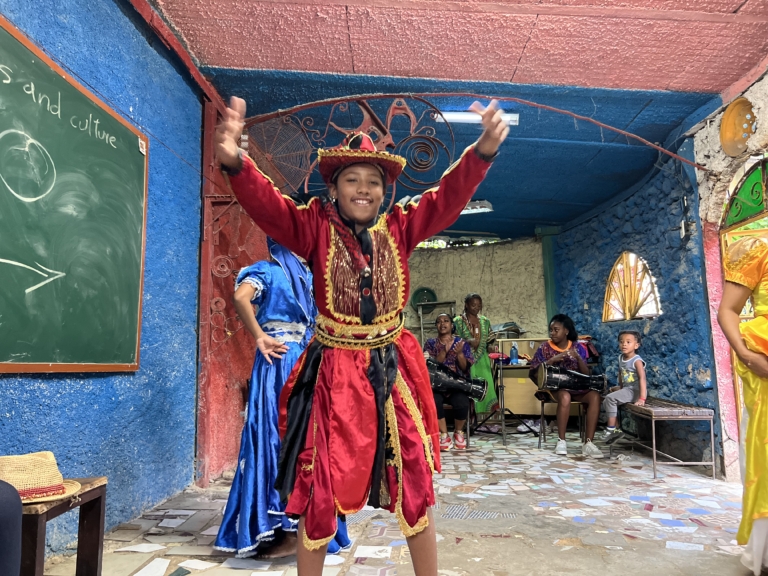
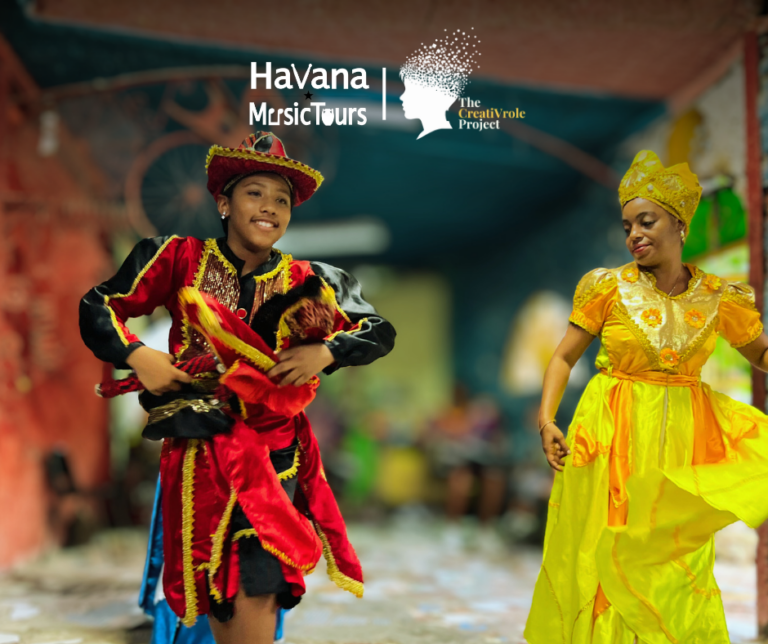
One afternoon, we stepped into a very cultural neighborhood, Cayo Hueso, to meet practitioners of Afro-Cuban traditions. Through their music and movements, we were brought into the intricate world of the orishas, gaining a deeper understanding of the rhythms that anchor salsaโs rich percussive foundation.
The walking tours were just as memorable. With guides who seemed to know Havana like an old friend, we wandered historic neighborhoods while hearing about the musicians who shaped the city. A tucked-away club here, an old recording studio thereโeach stop added another layer to our understanding of Cuban musicโs roots.

Nights That Never Ended
Evenings were a celebration. Every night, we found ourselves at Havana’s best concerts at the Havana Salsa Festival stageโclose enough to see the musicians’ expressions and feel the crowdโs energy.
Legends like Los Van Van and Havana DโPrimera commanded the stage with the kind of mastery that makes you want to dance until the morning. With VIP access, we skipped the lines and walked into tailor-made experiences. It wasnโt just about the music but about being there, sharing the night with locals who welcomed us like family.

Food as Part of the Experience
Between the music and the dancing, there was the food. Each meal felt like an extension of the festivalโCuban cuisine at its finest served in settings as thoughtfully chosen as the songs in a setlist.
From succulent ropa vieja to refreshing mojitos, every meal was an adventure. One evening, we savored fresh seafood with a view of the Malecรณn; another night, we dined in a paladar tucked away in a 19th-century mansion. The guidesโ expertise extended beyond music to include food, ensuring every bite was as memorable as every beat.
The Heart of It All
What stood out most in 2024 wasnโt just the music, the dancing, or even Havanaโs undeniable charm. It was the connectionโthe way strangers became friends, and the city seemed to open its arms and say, โWelcome.โ
As we look forward to the 2025 Havana Salsa Festival, itโs more than an invitation; itโs a chance to be part of something truly special. See why Havana is a city like no other. Letโs celebrate, learn, and share a moment in time that weโll carry with us long after the music fades.
For more information about our Havana Salsa Festival Tour, please get in touch with us or visit our tour page.