

Dear Music Traveler Friends,
Historical context — reviewed September 2026: This post reflects conditions and commentary at the time it was written. Travel rules, schedules, and conditions can change. For current planning, see our current U.S.–Cuba travel guide and September 2026 Cuba travel checklist.
I want to take a moment to speak plainly and directly, as the founder of Havana Music Tours, about what was happening at the time this update was written and why so many of the headlines about Cuba feel unsettling. A lot of people are reading alarming articles, seeing strong language tied to U.S. politics, and understandably wondering whether travel to Cuba is still safe, responsible, or even possible. Those questions are valid, and you deserve clear, detailed answers rather than sound bites.
Let me start with what we know firsthand. We just completed our Havana Jazz Festival tour successfully, and we currently still have clients, collaborators, and staff on the ground in Cuba. The festival took place as planned. Concerts happened. Transportation worked. Restaurants were open. Musicians showed up, rehearsed, performed, and were paid. This is not theoretical for us or based on secondhand reporting. This is our daily operational reality.
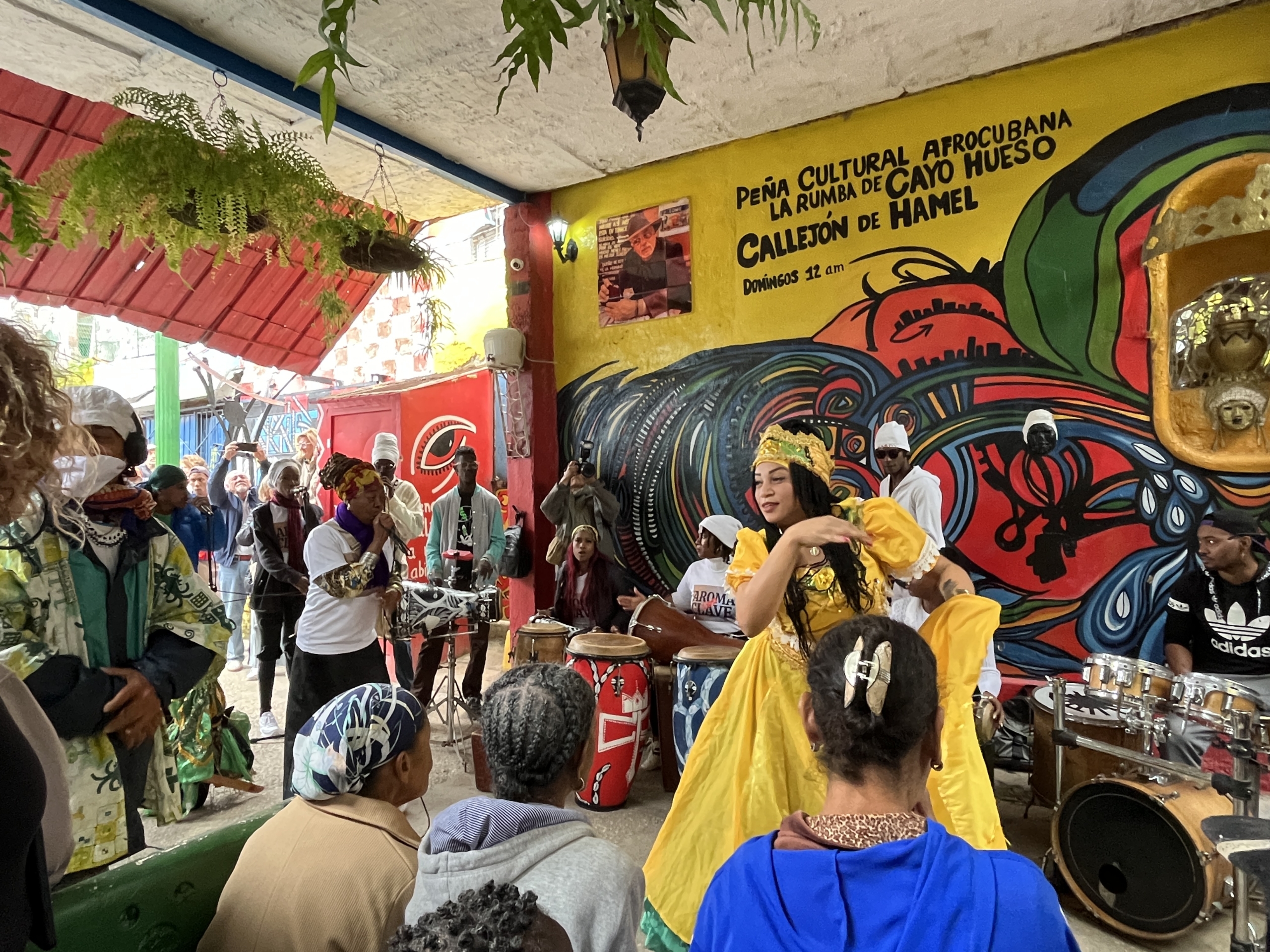
It is true that Cuba is dealing with ongoing energy challenges, and we are seeing more frequent power outages in Havana than in past years. That is not new, and it is something we have been navigating for a long time. We plan for it intentionally. We use hotels, casas, restaurants, and music venues that have backup generators. Many private businesses in Havana already operate this way as a normal part of life. Because of that, our tours continue to run smoothly and professionally, even when there are outages elsewhere in the city.
There has also been a great deal of misinformation circulating about fuel and oil supplies, including claims that Cuba has been suddenly cut off. That is not what we are seeing. Mexico has publicly reaffirmed its support for Cuba, including continued shipments of fuel and humanitarian supplies, and Cuba continues to receive energy support from other international partners as well. The situation is difficult, but it is not a sudden collapse, and it is not preventing us from operating tours responsibly.
Much of the current anxiety seems tied to political rhetoric coming out of Washington, particularly statements from President Donald Trump. Whether people agree with his approach or not, we have seen this pattern before. Trump often uses strong public language, pressure, and threats as part of a negotiating strategy. We’ve watched this play out in multiple countries over the years. What mattered to us in this February 2026 update was policy and operational reality rather than rhetoric. At that time, commercial flights between the United States and Cuba continued to operate, and we had not identified a new U.S. rule prohibiting authorized travel.
At the time this February 2026 update was written, the U.S. Department of State maintained a Level 2 travel advisory for Cuba, which is the same advisory level applied to many widely traveled countries in Europe, including France and Italy. If there were serious or imminent concerns for American travelers, we would expect to see that advisory escalate. We are not seeing that.
At the same time, Cuba itself has made its position clear. Just last night, Cuba’s Ministry of Foreign Affairs issued a statement (You can use a browser translator, if needed) reaffirming its willingness to cooperate with the United States on issues such as security, financial transparency, and regional stability, and explicitly expressing openness to respectful dialogue and technical cooperation. That is not the language of isolation or imminent confrontation. From our own long-standing relationships with Cuban diplomatic staff in the United States, including senior officials at the Cuban Embassy, we know that dialogue and negotiation have always been on the table.
There has also been speculation about extreme scenarios like a naval blockade or military escalation. Former U.S. diplomats and policy experts, including individuals with direct experience in U.S.–Cuba relations, have explained clearly how unlikely those scenarios are. A blockade of an island the size of Cuba would be extraordinarily resource-intensive, politically costly, and impossible to implement quietly. We are not seeing operational signs that point in that direction.
Beyond geopolitics, there is a human reality that often gets lost in the noise. Cuba needs responsible, ethical tourism now more than ever. The musicians, artists, drivers, guides, hosts, and small business owners we work with depend directly on this work to support their families. Over the past few years, Cuba’s private sector has grown significantly, and many people rely on cultural and educational travel to survive. When we show up thoughtfully and legally, we are not ignoring hardship. We are helping people endure it.
In that same spirit, at the time of this February 2026 update we were very close to officially launching the site for The CreatiVrole Project, a separate 501(c)(3) nonprofit. This organization will focus on humanitarian support and aid, including future humanitarian trips that we expect to begin later this year. We believe cultural exchange, ethical tourism, and direct humanitarian support should reinforce one another, not exist in isolation. Please reach out if you would like info to make an early donation.
I know the headlines are intense right now. I know the tone can feel nonstop and overwhelming. But when we look past rhetoric and focus on facts, policy, and lived experience, what we see is that Cuba travel remains possible, tours are operating, and the Cuban people continue to welcome visitors with resilience, warmth, and generosity.
We take safety seriously. We take transparency seriously. And if conditions were to change in a meaningful way, you would hear it from us immediately. Based on everything we are seeing right now, we remain confident in continuing our work in Cuba.
Thank you for taking the time to read this and for engaging thoughtfully with what’s happening. If you’d like to see what this looks like in real time, our recent Havana Jazz Festival coverage is available on our Instagram, and I also shared a personal post on Facebook about how Cuban institutions and people showed up to support our group during an unexpected flooding situation this past weekend.
As always, I’m here to talk.
Warmly,
Chaz Chambers
Founder & Director
Havana Music Tours & Musical Getaways