Cuban Music History

Cuban music history is a vibrant mosaic of sounds and rhythms, reflecting the island’s diverse cultural heritage and its significant impact on the global music scene. Our tours dedicated to Cuban music history offer an unparalleled journey through the evolution of this rich musical tradition, from its indigenous roots to its African influences and Spanish colonial legacy, culminating in a unique blend that is unmistakably Cuban.

The story of Cuban music is one of innovation and fusion, spanning genres such as Son Cubano, Mambo, Cha-Cha-Chรก, Salsa, and Afro-Cuban jazz. These tours take you on a historical exploration, highlighting the key figures and movements that have shaped Cuban music. From the legendary Buena Vista Social Club to the influential figures like Benny Morรฉ, Celia Cruz, and Compay Segundo, you’ll gain insights into the lives of those who propelled Cuban music onto the world stage.

Your journey through Cuban music history will not be confined to museums and lectures. Experience live performances in historic venues, participate in interactive music workshops, and visit the homes and studios of renowned Cuban musicians. These experiences bring the history of Cuban music to life, allowing you to feel the rhythms and melodies that have enchanted listeners around the globe.

Moreover, our tours delve into the social and political contexts that have influenced Cuban music, offering a deeper understanding of its significance within Cuban society and beyond. The fusion of African rhythms with Spanish melodies and jazz harmonies tells a story of resistance, identity, and cultural pride.

Embark on a journey with us to explore the heart of Cuban music history. Discover the sounds that have shaped the island’s identity and continue to resonate with people across the world. Join us for an unforgettable exploration of Cuba’s musical heritage.

Tag Archive for: Cuban Music History

A Musical Route Across Cuba: How the Islandโ€™s Regions Shaped Its Sound

Cuban music is often introduced through a short list of genres: son, rumba, salsa and jazz. That vocabulary is useful, but it can flatten the island into one sound. A route that mentions only Havana, Matanzas, Santiago and Guantรกnamo leaves too much of Cuba unheard. The western countryside, the central provinces, the eastern interior and the Isle of Youth all carry musical histories of their own.

This is not a travel itinerary. It is a listening route across recordings, instruments, rhythmic ideas and regional memory. Musicians move, so no province owns a genre completely. Still, place matters. Ports, farms, sugar communities, theaters, carnivals, religious societies and neighborhood patios created different conditions for music to take shape.

Pinar del Rรญo, Artemisa and Mayabeque: the many sounds of western Cuba

Begin in Pinar del Rรญo with punto cubano, tonada, dรฉcima and repentismo. In a canturรญa or guateque, the poetry is not simply placed on top of the music. The improvised ten-line stanza, the singerโ€™s memory and the response of laรบd, tres or guitar form one continuous exchange. Punto is practiced throughout Cuba, but the rural west remains one of its deepest reference points.

The west is not only guajiro music. Pinar also preserves the Bantรบ-rooted yuka drum tradition, while Artemisa enters the national story through the songwriting lineage associated with San Antonio de los Baรฑos. In Mayabeque, Gรผines connects the region to the history of Afro-Cuban percussion through figures such as Tata Gรผines. Even before reaching the capital, several Cubas are already sounding at once.

Havana: the great meeting point

Havana is sometimes presented as the source of every important Cuban sound. It is more accurate to hear it as a powerful meeting point. Musicians arrived from across the island and reorganized regional ideas for theaters, radio, recording studios, cabarets, social clubs and dance bands. Son expanded, danzรณn orchestras changed, percussion entered new arrangements and jazz became part of a long Cuban conversation.

Filin, nueva trova, songo and timba belong to different social moments, but all reveal Havanaโ€™s appetite for synthesis. Listen closely and the rest of the island remains audible: an eastern tres figure, a Matanzas rumba phrase, a guajiro melody or rhythmic knowledge carried from religious and carnival traditions.
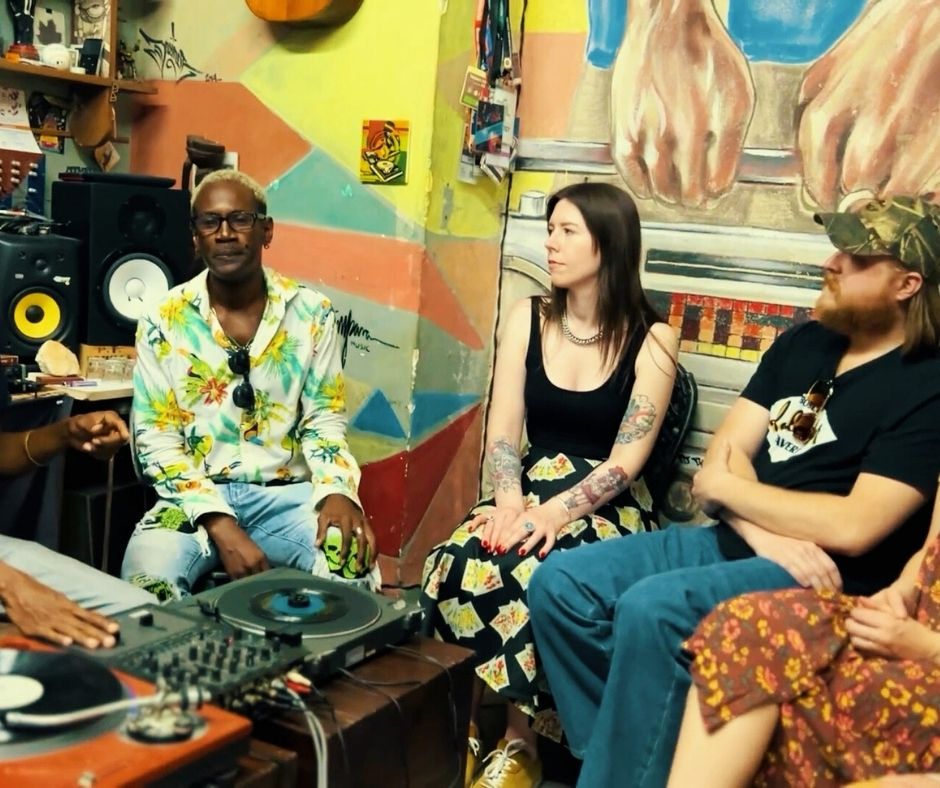
Havana Music Tours guests at a vinyl listening session in Havana.
A vinyl listening session in Havana, where older recordings meet contemporary conversation.

Matanzas: rumba, danzรณn and Afro-Cuban continuity

Matanzas is essential to understanding rumba, especially the relationships among yambรบ, guaguancรณ and columbia. Rumba is not one beat. It is a family of practices in which percussion, song, dance and gesture answer one another. Clave matters, but so do the lead drumโ€™s phrases, the singerโ€™s timing, the dancerโ€™s choices and the social space holding them together.

The province also belongs to the history of danzรณn and charanga. Those musical worlds are very different, yet their coexistence shows why regional labels must remain flexible. Los Muรฑequitos de Matanzas remain one of the great institutions of Cuban rumba. Continue with our Cuban Music Quick Guide for the wider vocabulary.
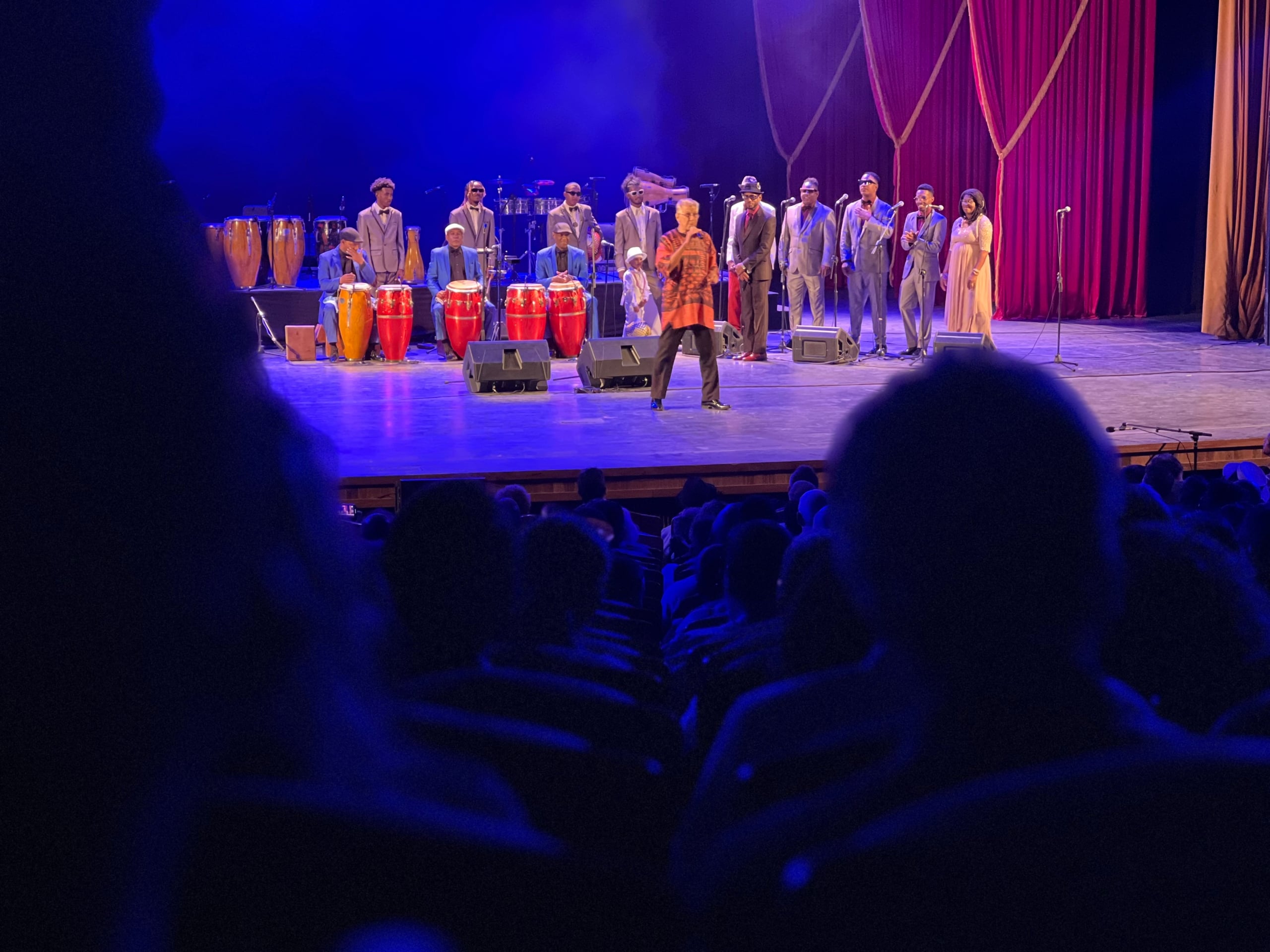
Los Muรฑequitos de Matanzas performing onstage in Havana.
Los Muรฑequitos de Matanzas onstage in Havana.

Cienfuegos, Villa Clara and Sancti Spรญritus: Cubaโ€™s central corridor

Central Cuba cannot be reduced to a bridge between Havana and Oriente. Cienfuegos holds the legacies of Benny Morรฉ, born in Santa Isabel de las Lajas, and Orquesta Aragรณn, whose charanga language connects danzรณn, cha-cha-chรก and later popular dance music. The province also carries son, bolero, dรฉcima and Afro-Cuban traditions that extend well beyond its most famous names.

Villa Clara adds Santa Claraโ€™s strong culture of trova, rock, chamber music and independent artistic exchange. Sancti Spรญritus and Trinidad contribute punto, tonada, trova, son, coros de clave and living Afro-Cuban practices. Together these provinces show a central region shaped by rural poetry, string traditions, dance orchestras and urban experimentation rather than one dominant style.

Ciego de รvila and Camagรผey: local bands, carnival and conga

Ciego de รvila and Camagรผey remind us that not every province needs a single export genre to matter. Son, trova, mรบsica campesina, municipal bands and carnival practices overlap across this part of the island. The conga camagรผeyana has its own instrumental profile, built from differently sized barrel drums, bells and layered percussion. It should not be heard as a smaller version of Santiagoโ€™s conga, but as a local carnival language with its own accents and memory.

Las Tunas: dรฉcima as a living conversation

Las Tunas deserves more than a passing mention in any Cuban musical map. The province is closely associated with the dรฉcima, repentismo and the Jornada Cucalambeana, a major gathering of Cuban rural culture. Here the musical event may begin with a poetic challenge rather than an instrumental hook. The excitement lies in how quickly a singer can shape language, rhyme and local knowledge in front of listeners who understand the form.

Holguรญn and Granma: son, รณrgano oriental and the eastern interior

Holguรญn is a land of son and รณrgano oriental, with traditions represented by ensembles such as the Hermanos Avilรฉs and the organ groups of the region. The mechanical or pneumatic organ may surprise listeners who expect eastern Cuban music to mean only tres and percussion. Its repertory belongs to dances, rural celebrations and community life, giving the eastern interior a very different ensemble sound.

In Granma, Bayamo and Manzanillo connect trova, son, popular song and national history. Niquero is especially important to the รณrgano oriental tradition, while Bayamo maintains the memory of Sindo Garay and a broad culture of traditional song. This is the landscape between the famous musical capitals, and it is crucial to understanding how music circulated through Oriente.

Santiago de Cuba: son, trova and carnival

Santiago is central to the histories of son and trova, but neither should be treated as a museum piece. Son joined tres, guitar, percussion, bass patterns, call-and-response singing and dance in forms that changed as musicians moved between countryside and city. Trova made voice and guitar sufficient for poetry, romantic drama, political reflection and precise rhythmic language.

Those traditions overlap with conga santiaguera, Afro-Cuban religious music and tumba francesa. The cityโ€™s identity comes from the layers. Compare older son and trova recordings with contemporary ensembles, then listen to how carnival percussion reorganizes the street. Our article on Santiago de Cubaโ€™s traditions explores that history in greater depth.
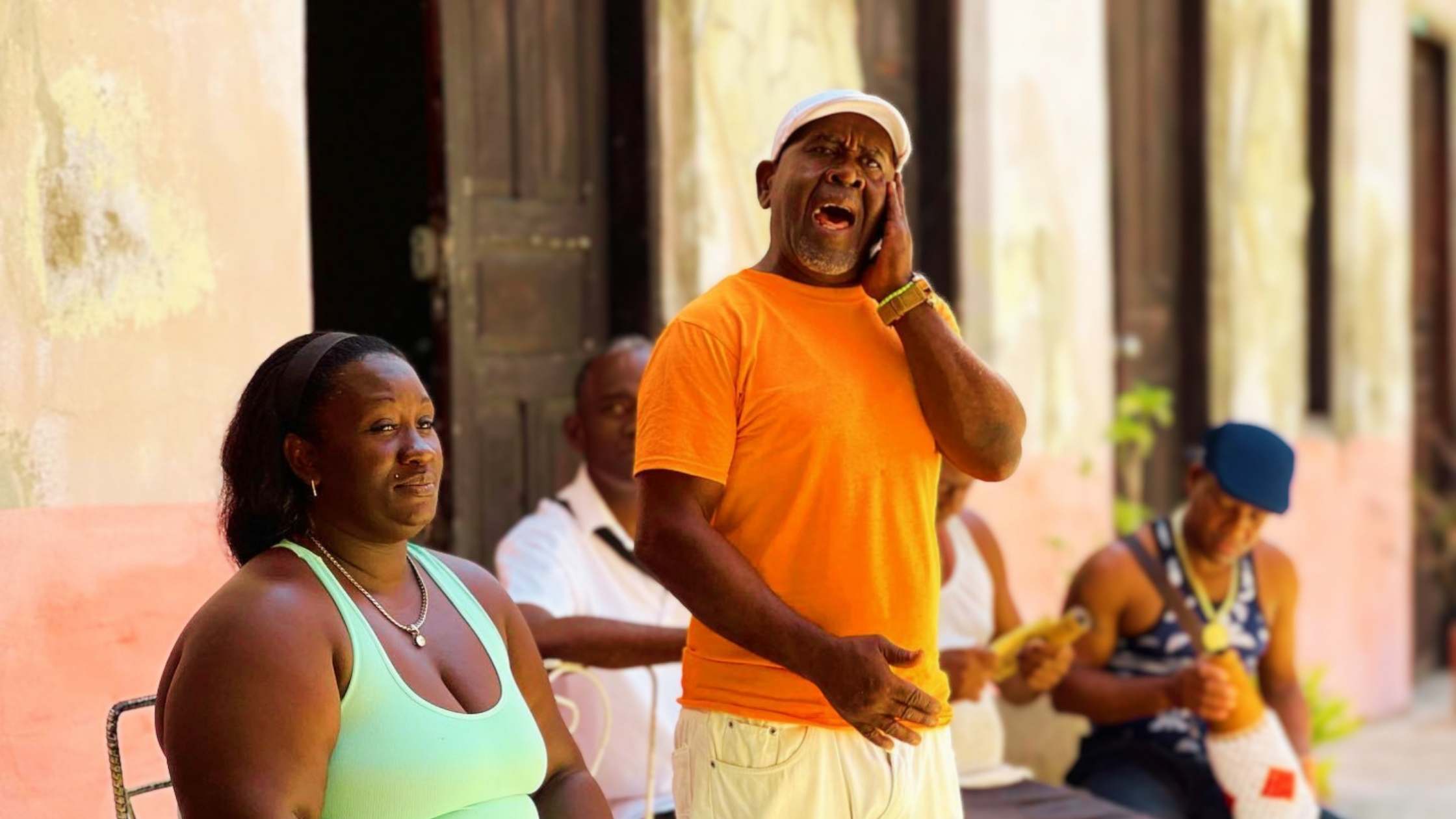
Singer performing outdoors in Santiago de Cuba, with musicians behind him.
A neighborhood singer in Santiago de Cuba, with the ensemble seated behind him.

Guantรกnamo: changรผรญ and tumba francesa at the eastern edge

In Guantรกnamo, changรผรญ remains one of Cubaโ€™s most distinctive regional traditions. Often described as an early relative of son, it has its own rhythmic weight and social character. The tres drives repeated figures and sudden accents while marรญmbula, bongรณ, guayo and voices create a texture that feels grounded and elastic. Dancing and improvisation are not additions to the music. They are part of its structure.

Guantรกnamo is also home to important communities of tumba francesa, created by Haitians and their descendants in eastern Cuba. Its drums, songs, dance formations and French-Creole heritage resist the simplified idea that Cuban culture can be explained only as a meeting of Spain and Africa. Oriente has always been connected to a wider Caribbean.
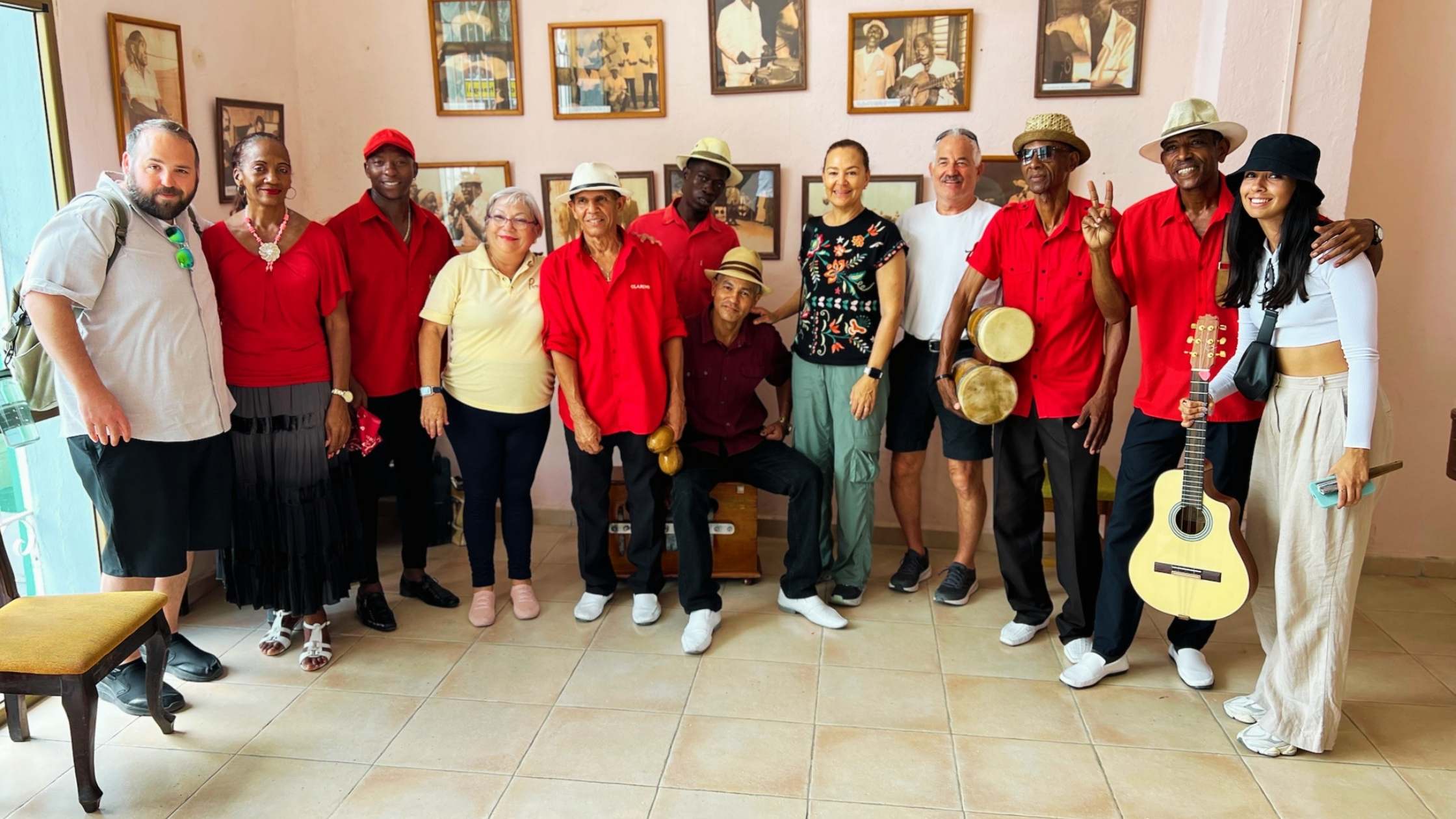
Musicians and visitors with guitar and percussion in Guantรกnamo, Cuba.
Musicians and listeners in Guantรกnamo, Cuba.

A coda from the Isle of Youth: sucu-sucu

No national musical map is complete without the Isle of Youth and sucu-sucu. Associated with local ensembles, rural social dancing and call-and-response song, it reminds us that Cuban music did not develop along one mainland corridor. The island within the island created its own center.

How to hear the complete route

The point is not to assign one genre to each province. Use geography as a listening question: Where did this rhythm develop? What kind of gathering shaped it? Which instruments were available? What happened when musicians carried it somewhere else?

A revealing Cuban playlist might place punto beside yuka, charanga beside conga camagรผeyana, รณrgano oriental beside son, and sucu-sucu beside timba. The contrasts show a culture connected by movement but never reduced to sameness.

Continue with our guide to Cuban musical styles and our article on son cubano and UNESCO recognition. We will keep expanding this map through the Havana Music Tours journal, one tradition and one community at a time.

Cuban Music Quick Guide: Son Cubano, Rumba, Timba, Jazz and More

Cuban music has never been one single sound. It developed across different regions, communities and periods of Cuban history, producing traditions with distinct musical structures, instruments and social functions. Son cubano, rumba, danzรณn, mambo, cha-cha-chรก, trova, bolero, Afro-Cuban jazz, songo and timba belong to this larger history, but they are not interchangeable.

Some were created for social dancing, others for theaters, concert halls, neighborhood gatherings or ceremonial settings. Many have influenced one another, and their histories often overlap. Understanding Cuban music therefore requires looking beyond broad labels such as โ€œsalsaโ€ and paying attention to where each tradition came from, how it developed and what it means within Cuban culture.

How Cuban music developed

Cuban music took shape through colonization, forced migration, resistance and exchange. African-descended communities preserved and transformed rhythmic, vocal, religious and ceremonial knowledge. Spanish-derived song forms, poetry, harmony and string instruments also entered Cuban practice. Haitian migration and contact with the wider Caribbean, Mexico, New Orleans and New York added further layers.

This was never a simple mixture of two fixed traditions. Different communities created different forms at different moments, and musicians kept changing them as they moved around Cuba and abroad.

Clave: a guide, not a formula

Clave can mean both the pair of wooden sticks and an organizing rhythmic pattern heard or implied in many Cuban popular genres. A basic pattern has five strokes across two measures: one side has three strokes and the other has two, producing a 3โ€“2 or 2โ€“3 direction. Son clave and rumba clave place some strokes differently.

Clave need not be played aloud. Bass, piano, percussion, melody or vocal phrasing can suggest it. It guides phrasing, but not every Cuban tradition follows one identical pattern.

Son cubano and rumba

Son took recognizable forms in eastern Cuba and changed as it traveled, especially after groups became established in Havana during the early twentieth century. It joined string-based song traditions with layered percussion, syncopation and call and response. Tres, bongรณ, maracas, claves, bass and, later, trumpet characterized the classic sexteto and septeto sound.

A son often moves from a composed song into a montuno, where a repeated chorus alternates with improvised lead singing. Son became a foundation for later Cuban and international dance music. Our article onย son cubanoย examines its history and continuing practice.

Rumba is different. It developed as a secular community practice centered on percussion, singing and dance, with especially important histories in Havana and Matanzas. Yambรบ, guaguancรณ and columbia have distinct tempos, dances and relationships between singers, dancers and drums. Cuban rumba should not be confused with the ballroom โ€œrumbaโ€ codified outside Cuba. Read our fuller introduction toย Cuban rumba.

Rumba musicians and dancers performing at a community gathering in Havana
In Cuban rumba, percussion, singing and dance develop through live exchange. Photo: Havana Music Tours.

Danzรณn, mambo and cha-cha-chรก

Danzรณn grew from nineteenth-century contradanza and danza. Miguel Faรญlde’s โ€œLas Alturas de Simpson,โ€ performed in Matanzas in 1879, is conventionally identified as the first danzรณn. The genre later became closely associated with charangas built around flute, violins, piano, bass, timbales and gรผiro.

Within the danzรณn repertory of Antonio Arcaรฑo y sus Maravillas, Orestes Lรณpez and Israel โ€œCachaoโ€ Lรณpez helped develop the nuevo ritmo and the section called mambo. Dรกmaso Pรฉrez Prado later created the brassy big-band mambo that achieved international success from Mexico.

Enrique Jorrรญn developed cha-cha-chรก with Orquesta Amรฉrica in the early 1950s. Its name refers to the sound associated with the dancers’ steps. These genres share a family history, but they are not interchangeable. Our interview with Toques del Rรญo looks at how younger musicians haveย revisited mambo.

Trova and bolero

Trova grew around singer-songwriters in eastern Cuba, especially Santiago de Cuba, during the late nineteenth and early twentieth centuries. Pepe Sรกnchez, Sindo Garay and Manuel Corona placed guitar and text at the center of performance. Later lines of development included filin and nueva trova.

Cuban bolero emerged from this song culture and entered a broader Latin American tradition through sustained exchange, particularly with Mexico. Love is central to much of its repertory, but bolero also depends on careful poetry, phrasing and interpretation.

Afro-Cuban jazz, songo and timba

Afro-Cuban jazz grew through exchange rather than a one-way transfer from Cuba to the United States. Mario Bauzรก and Machito were central to its New York big-band language. Chano Pozo’s work with Dizzy Gillespie, including โ€œMantecaโ€ in 1947, became another landmark. Chucho Valdรฉs, Irakere, Paquito D’Rivera, Gonzalo Rubalcaba and many others later expanded the field. Our longer article tracesย Cuban music’s role in jazz.

Songo developed collectively in Los Van Van after Juan Formell founded the orchestra in 1969. Formell, Josรฉ Luis โ€œChanguitoโ€ Quintana, Cรฉsar โ€œPupyโ€ Pedroso and other members reshaped charanga and son through electric bass, drum kit, new piano and percussion concepts, and influences from rock, funk and jazz. Songo is better understood as an approach to arranging and ensemble interaction than as one fixed drum pattern.

Timba became a distinct force in the late 1980s and 1990s, with Josรฉ Luis Cortรฉs and NG La Banda playing a central role. Its arrangements can turn quickly through bloques, changing bass and piano patterns, horn figures and shifts in rhythmic density. Timba draws from son, rumba, songo, jazz, funk and sacred musical vocabularies, but has its own Cuban history and performance practice. Calling it โ€œCuban salsaโ€ is convenient, not complete. Our guide toย Cuban salsa and timba bandsย introduces several major orchestras.

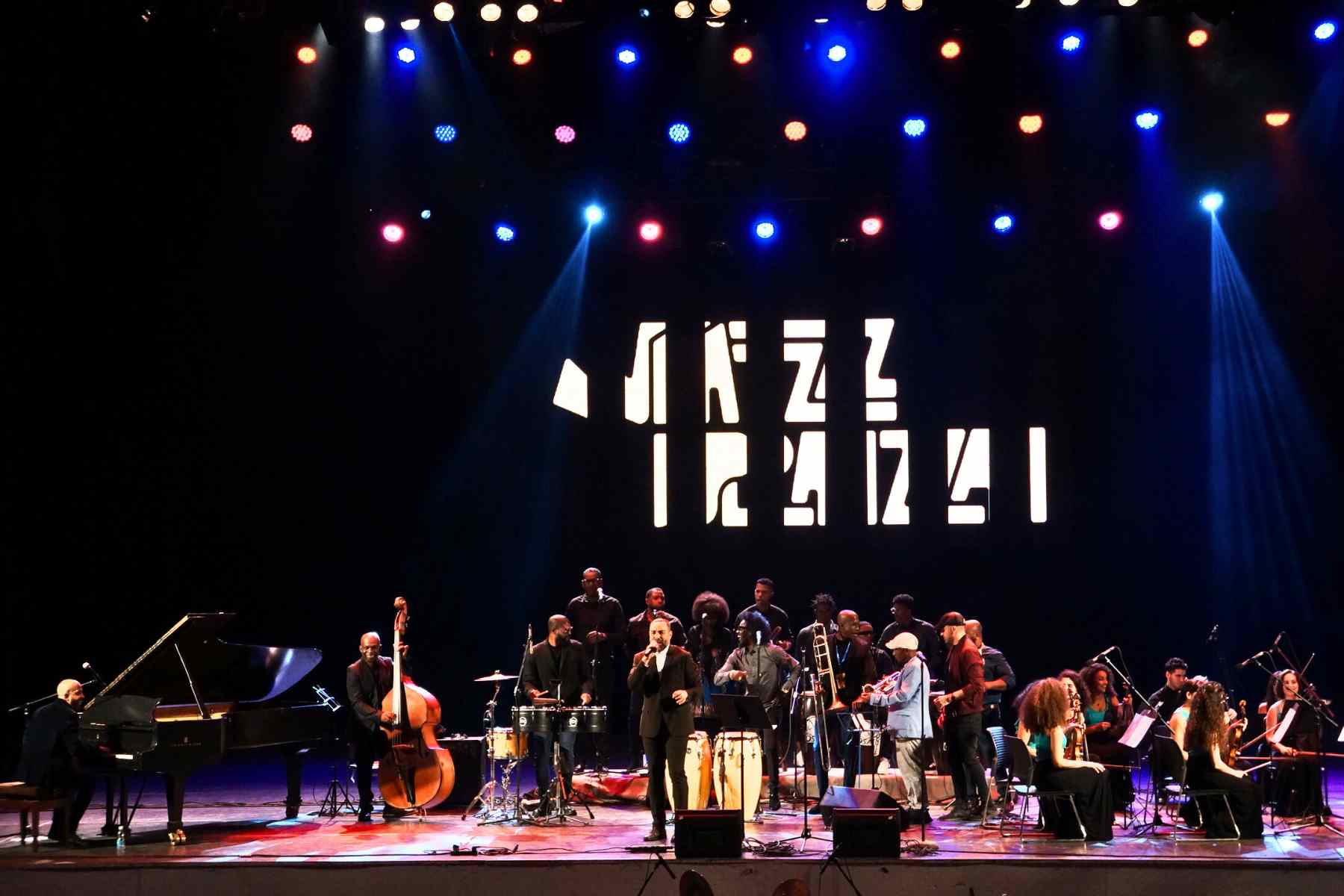
Cuban jazz musicians performing during International Jazz Day in Havana
Afro-Cuban jazz grew through a long exchange among musicians in Cuba, New York and other musical centers. Photo: Yami Cabrera / Havana Music Tours.

Religious and ceremonial traditions

Afro-Cuban religious and ceremonial traditions are not one category. Lucumรญ or Regla de Ocha-Ifรก, Palo or Reglas Congas and Ararรก traditions have distinct languages, instruments and responsibilities. Abakuรก ceremonial repertories belong to a different historical and social institution.

Batรก drumming, praise singing, call and response, dance and specific rhythmic vocabularies have influenced Cuban popular and concert music. That influence does not make sacred repertory public property. A staged folkloric presentation is not a ceremony, and some practices have rules about who may perform, witness or record them.

Havana, Matanzas and Santiago de Cuba

Regional differences remain essential, although music has always traveled. Havana became the country’s main recording, broadcasting and entertainment center; son ensembles changed there, and the city is central to charanga, filin, Afro-Cuban jazz, songo and timba. Matanzas is fundamental to danzรณn and rumba and holds deep Lucumรญ, Ararรก and Abakuรก histories. Santiago de Cuba and the east are central to son and trova, while carnival conga, Tumba Francesa and Guantรกnamo’s changรผรญ demonstrate the region’s Caribbean connections. Ourย Santiago de Cuba articleย adds local context.

These are associations, not borders. Rumba exists beyond Havana and Matanzas, and son belongs to the whole country.

Musicians performing in Santiago de Cuba
Santiago de Cuba and the eastern region are central to the histories of son, trova and carnival conga. Photo: Yami Cabrera / Havana Music Tours.

Cuban music today and in the diaspora

Contemporary Cuban musicians work across timba, jazz, hip-hop, reggaetรณn, electronic music, nueva trova and experimental composition. Alexander Abreu, Yissy Garcรญa, Daymรฉ Arocena, Telmary and Interactivo represent only part of the currentย Cuban music scene. Our selection ofย Cuban women in contemporary musicย offers additional listening.

The diaspora is part of this history, not an appendix to it. Musicians in New York, Miami, Madrid, Mexico City and elsewhere continue exchanging ideas with artists on the island. Cuban music has long been both local and international.

Frequently asked questions about Cuban music

Is all Cuban music salsa?

No. Salsa has deep Cuban roots, but several Caribbean and Latin American communities shaped it. Son, rumba, danzรณn, trova and timba remain distinct traditions.

What is the difference between son cubano and salsa?

Son developed in Cuba around song, tres, percussion, bass and the montuno. Salsa later reworked son, guaracha, mambo, jazz and other Caribbean forms. Son is a major root of salsa, not its synonym.

What is clave rhythm in Cuban music?

Clave is a five-stroke, two-measure pattern that can be played or implied. Its 3โ€“2 or 2โ€“3 direction helps organize phrasing among instruments and voices in many Cuban popular genres.

Where did Cuban music originate?

There is no single birthplace. Eastern Cuba is central to son and trova, Havana to many professional ensembles, and Matanzas to rumba and danzรณn. Migration and international exchange connected these histories.

Continue reading

Explore more artist interviews and music-history articles in theย Havana Music Tours journal, orย subscribe to the newsletterย for future cultural writing.

Suggested reading and references

Principal sources, beginning with Cuban musicologists and Cuba-based research, followed by specialist studies in English:

The History of Jazz Plaza: A Celebration of Music, Culture, and Unity

Jazz Plaza is one of Cubaโ€™s most important music events. Known internationally as the Havana Jazz Festival, it began in Havana in 1980 and has grown into a major meeting point for Cuban musicians, international artists, composers, students, critics, and serious music lovers.

The festivalโ€™s roots are local. Its name comes from the Casa de la Cultura de Plaza in Vedado, where the early editions helped create a home for Cuban jazz at a time when the islandโ€™s musicians were developing a deeply personal language inside the genre. This was not jazz copied from somewhere else. It was jazz filtered through Cubaโ€™s own musical history, shaped by Afro-Cuban traditions, popular dance music, classical training, improvisation, and the lived experience of Cuban artists.

The Origins of Jazz Plaza

Jazz Plaza is closely tied to Bobby Carcassรฉs, one of the central figures in Cuban jazz and a key force behind the festivalโ€™s creation. From the beginning, the idea was simple but powerful: give Cuban jazz musicians a serious platform and create space for exchange with artists from around the world.

Booby Carcases at the Havana Jazz Fest 2023 with Los Munฬƒequitos de Matanzas IMG_1526

By the early 1980s, Cuban jazz was already moving in bold directions. Musicians were combining the language of jazz with rumba, son, danzรณn, Afro-Cuban percussion, and the harmonic imagination that has always made Cuban music so distinctive. Jazz Plaza gave that movement a public stage.

In 1983, the festival became international, opening the door for deeper collaboration between Cuban artists and musicians from Latin America, Europe, the United States, and beyond. Over time, it became one of the most respected jazz festivals in the region.

Cuban Jazz on Its Own Terms

One of the most important things to understand about Jazz Plaza is that it is not only a festival that brings jazz to Cuba. It is a festival that shows what Cuba has contributed to jazz.

Cuban musicians have played a major role in shaping Latin jazz and Afro-Cuban jazz, but the music heard at Jazz Plaza often goes beyond those labels. You might hear a pianist moving between classical technique and batรก-inspired phrasing. You might hear a horn section that carries the force of Cuban popular music while improvising with the freedom of modern jazz. You might hear a percussionist turn a small rhythmic idea into the foundation for an entire conversation between the band and the audience.

That is what makes Jazz Plaza different. The festival is not just about famous names or major concerts. It is about the way Cuban musicians think, listen, respond, and build music in real time.

A Festival That Connects Generations

Over the years, Jazz Plaza has featured many of Cubaโ€™s most important jazz artists, including figures such as Chucho Valdรฉs, Bobby Carcassรฉs, and members of Irakere, along with younger musicians who continue to push the music forward.

For Cuban artists, the festival is both a stage and a gathering place. It brings together established masters, rising players, students, arrangers, composers, and audiences who understand the music on a deep level. In Havana, a festival concert can feel formal one night and completely spontaneous the next. Some of the most memorable moments happen when generations meet on stage, when a young musician shares a set with someone they grew up studying, or when a visiting artist finds themselves inside a Cuban musical conversation that changes the way they play.

More Than Concerts

Jazz Plaza has never been only a concert series. The festival often includes workshops, academic events, panels, tributes, late-night performances, and collaborations that reach beyond the main stages.

For travelers, this matters. The most meaningful way to experience Jazz Plaza is not to rush from venue to venue trying to check off as many concerts as possible. The real value is in understanding the context around the music: the neighborhoods, the musicians, the rehearsals, the conversations, the history, and the everyday life that shapes what happens on stage.

That is why Jazz Plaza is such an important part of our work at Havana Music Tours. We do not see the festival as a separate event added onto a trip. We see it as a window into Cubaโ€™s music culture at one of its most active and creative moments of the year.

Jazz Plaza Today

Today, Jazz Plaza continues to grow. Recent editions have expanded beyond Havana into other Cuban cities, creating more opportunities for artists and audiences across the island. The festival remains centered on exchange, but it also reflects the realities of Cuba today: the challenges, the resilience of its artists, and the determination to keep creating even when conditions are difficult.

Teatro-nacional-de-havana-jazz-plaza-festival

That is part of what makes the festival so powerful. Jazz Plaza is polished at times, raw at others, and always alive. It carries history, but it is not frozen in the past. Every edition brings new collaborations, new compositions, and new ways of hearing the relationship between Cuba and the wider jazz world.

Why Jazz Plaza Still Matters

Jazz has always been a music of movement, conversation, and risk. In Cuba, those qualities take on a particular meaning. The islandโ€™s musicians have developed a sound that is technically sophisticated, emotionally direct, and deeply connected to rhythm.

Jazz Plaza gives that sound a stage.

For visitors, the festival offers a rare chance to hear Cuban music in context. You are not only attending concerts. You are witnessing a living musical culture that continues to shape jazz in ways many travelers never fully understand until they experience it in person.

Whether you are a lifelong jazz listener, a musician, or simply someone who wants to understand Cuba through its music, Jazz Plaza is one of the best times of year to be in Havana.

Join us in Havana for the Jazz Plaza Festival and experience the music where it lives: in the theaters, clubs, rehearsal rooms, neighborhoods, and late-night spaces that make Cuba one of the most important music destinations in the world.

Son Cubano is UNESCO’s Newest Heritage: Why it’s the Soul of Cuban Music

UNESCO has officially inscribed the practice of Cuban Son on the Representative List of the Intangible Cultural Heritage of Humanity. For Cuba, this recognition affirms a truth musicians, families, and communities have carried for generations: Son Cubano is not merely a genre. It is a shared cultural memory and one of the strongest expressions of Cuban identity.

The designation follows the work of Cubaโ€™s Ministry of Culture, the National Council of Cultural Heritage, and the National Committee of Intangible Heritage. They presented the detailed documentation demonstrating how this essential form of Cuban music continues to thrive across the island. UNESCO emphasized its vital intergenerational transmission, its role in community life, and its powerful influence as a cornerstone of Cuban culture.

Why Son Cubano is the Foundation of Cuban Music (And Salsa)

Son Cubano has shaped the evolution of Cuban popular music for more than a century. It blends the poetic structure of the Spanish canciรณn with potent Afro-Cuban rhythm, poetry, and call-and-response singing. The music originated in the eastern region of the island and later spread to Havana, where it helped shape urban music-making and the modern Cuban son style.

Even as foreign genres have come and gone throughout Cuban history, the core of Cuban Son still carries a familiar charge. Its defining syncopationโ€”driven by the interlocking clave rhythmโ€”is a musical code Cubans instantly recognize. That same energy resonates internationally, where listeners respond to the distinctive groove and melodic clarity of this quintessential salsa music ancestor.

Havana Salsa Festival PhotosIMG_3202 2

Essential Listening: The Unforgettable Songs of Son Cubano

The history of Son Cubano is full of unforgettable pieces. Even naming only a few demonstrates how deeply this tradition is woven into Cuban life:

  • โ€œSon de la Lomaโ€ โ€“ Trรญo Matamoros

  • โ€œGuajira Guantanameraโ€ โ€“ Joseรญto Fernรกndez

  • โ€œร‰chale Salsitaโ€ โ€“ Septeto Nacional

  • โ€œChan Chanโ€ โ€“ Compay Segundo

  • โ€œQuรฉ Bueno Baila Ustedโ€ โ€“ Benny Morรฉ

  • โ€œPor Encima del Nivelโ€ โ€“ Juan Formell & Los Van Van

  • โ€œY Quรฉ Tรบ Quieres Que Te Denโ€ โ€“ Adalberto รlvarez y su Son

  • โ€œMe Dicen Cubaโ€ โ€“ Alexander Abreu & Havana Dโ€™Primera

These songs are more than repertoire. They are emotional anchors and cultural markers that bind generations.

“El son es lo mรกs sublime para el alma divertir”

Ignacio Piรฑeiroโ€™s famous line, meaning “Son is the most sublime thing to divert the soul,” still captures the feeling this music inspires. The tradition has grown from rural gatherings to international concert halls, and it continues to evolve through new generations of soneros. The tres, the bongos, the bass, the clave, and the poetry remain at the center of Cuban musical expression.

UNESCOโ€™s decision affirms what many already knew. Son is a living cultural force. It is an art form that binds history, community, and creativity.

Experience Son Cubano: Meeting the Music in Cuba Today

On our music-focused tours in Cuba, guests often experience Son Cubano in its most authentic environments:

  • Home-based rehearsals and neighborhood gatherings.

  • Conversations with musicians who grew up inside the tradition.

  • Encounters with rising ensembles, shaping the future of the style.

  • Festival nights where the roots and contemporary expressions of Cuban son meet.

These direct, personal moments reveal why Son Cubano remains essential to Cuban culture and why UNESCO chose to recognize it. Ready to go beyond the playlist? Experience Cuban Son directly.

The Ultimate Expression: Our VIP Havana Salsa Festival Tour

To witness the full evolution of son into modern Cuban salsa music (or timba), consider our VIP Havana Salsa Festival Tour. This tour integrates the intimate cultural encounters of our general programs with the energy of Cuba’s largest music event.

You’ll not only learn from artists carrying the son tradition forward but also receive exclusive VIP access to the festival, featuring performances by Cuba’s biggest orchestras like Alexander Abreu y Havana DยดPrimera, Los Van Van, and more.

Explore our educational programs in Cuba or book your VIP Festival experienceโ€”your journey into the soul of Cuban sound starts now!

VIP Havana Salsa Festival Tour Details

Tracing the Threads: The Integral Role of Cuban Music in the History of Jazz

The Symbiotic Journey of Cuban Music and Jazz: From Havana to New Orleans and New York

By Yami Cabreraย (Cuban musicologist and Co-Director of Havana Music Toursย andย Musical Getaways)ย 

In the realm of music, few genres demonstrate the dynamic interplay of cultural influences as vividly as jazz. Celebrated for its improvisational prowess and complex harmonies, jazz did not emerge in a vacuum. Instead, it is a product of rich, interwoven musical traditions, among which Cuban music is pivotal.

As we celebrate today’s International Jazz Day, we wanted to bring you this article that briefly explores the influences of Cuban music on jazz, tracing the musical journey from Havana to New Orleans and New York, cities pivotal in the evolution of this quintessentially American genre.

The Cultural Crossroads: Havana and New Orleans

Cuban musicโ€™s infiltration into the core of jazz was intricately tied to the migration of people and their musical ideas. Throughout the 19th and early 20th centuries, Havana and New Orleans emerged as pivotal port citiesโ€”veritable cultural crossroads where the pulsating energies of the Atlantic and Caribbean converged. This period marked an era of exchange of rhythms and melodies, a musical melting pot stirred by the constant flow of ships and the diverse communities that thronged these bustling harbors.

The clave, a rhythmic pattern that is both fundamental to Cuban music and deeply rooted in African musical traditions, played a significant role in this cultural synthesis. Its distinctive syncopation, characterized by a compelling and complex sequence of beats, resonated deeply within the musical landscape of New Orleans.

As Cuban musicians settled and performed, the claveโ€™s infectious rhythm permeated the local music scene, influencing and eventually becoming embedded in the evolving sound of early jazz. This rhythm not only enriched the musical vocabulary of New Orleans musicians but also provided a rhythmic backbone that would come to define much of the early jazz structure, bridging two rich musical cultures through shared beats and sounds.

Like in traditional Cuban genres such as son and rumba, the clave rhythm became essential to the New Orleans music scene, influencing the habanera rhythm prevalent in early jazz. This pattern introduced a new approach to musical timekeeping and phrasing, vital for developing jazz’s swing rhythms.

International Jazz Day 2024 - Havana Music Tours Website Photos (6)

Expanding Influence: From New Orleans to New York

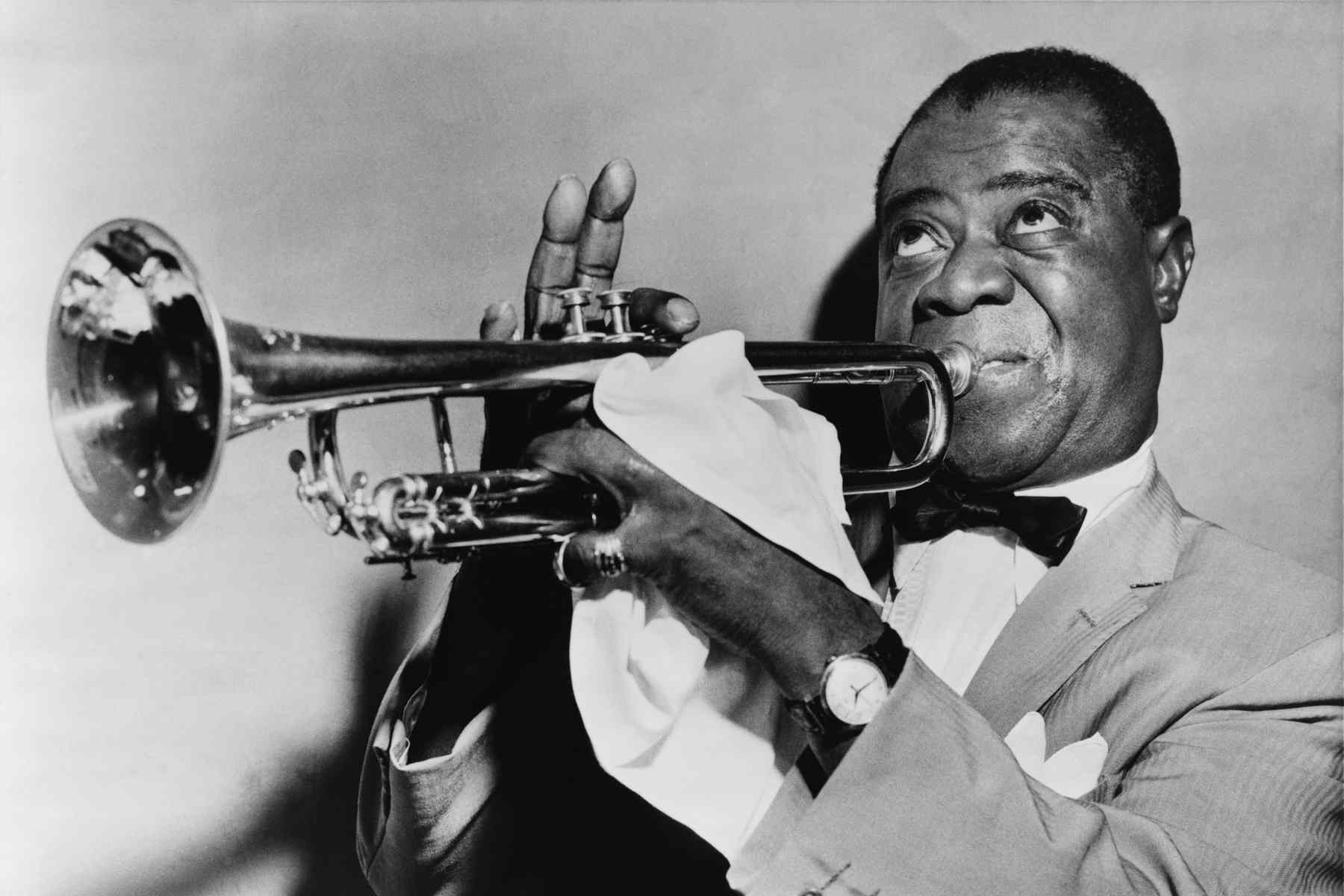
The cultural exchange facilitated by Cuban music was dynamic and multidirectional. In New Orleans, musicians such as the legendary Louis Armstrong absorbed and adapted Cuban influences, weaving them into the fabric of American jazz. Armstrongโ€™s use of Cuban-inspired techniques, exemplified during his trips to Havana in the 1930s, helped transform jazz into a more complex and globally resonant musical form. These trips also highlighted Havanaโ€™s role as a musical hub, reflecting its impact on local and international music scenes. As Cuban music left its mark on New Orleans, the influence continued to ripple northward, finding a new home in New York.

Louis Armstrong Playing trumpet - Havana Music Tours Website Photos

Cuban Music in New York’s Melting Pot

In New York, a city already known as a melting pot of musical styles, the impact of Cuban music became even more pronounced by the mid-20th century. The migration of Caribbean musicians, including prominent Cuban artists, introduced direct Cuban musical elements into New Yorkโ€™s burgeoning jazz scene. Iconic music halls and nightclubs in New York were the backdrop for these interactions, where Cuban rhythms seamlessly blended with jazz harmonies.

Artists like Machito and his Afro-Cubans played a crucial role in this musical fusion, popularizing styles like the mambo and profoundly influencing an entire generation of jazz musicians. This synthesis in New York enriched its music scene and solidified the cityโ€™s status as a critical nexus for the ongoing evolution of jazz.

Key Figures and Musical Exchange

Significant figures who navigated these musical worlds further cemented the connection between Cuban music and jazz. Mario Bauzรก, a Cuban clarinetist, trumpeter, and composer, played a pivotal role in shaping Afro-Cuban jazz. His transition from Havana’s vibrant scene to New York’s big bands directly transferred Cuban influence into seminal jazz developments. Collaborating with jazz icons like Dizzy Gillespie in the 1940s, they created classics such as “Manteca,” which blended intricate Afro-Cuban rhythms with jazz’s spontaneity to forge the Latin jazz subgenre.

Chano Pozo, another monumental figure and Cuban percussionist, became renowned through his innovative work with Gillespie. Pozo’s integration of complex Afro-Cuban rhythms into pieces like “Manteca” and “Tin Tin Deo” revolutionized modern jazz, paving the way for further collaborations between Cuban musicians and American jazz artists.

Machito, born Francisco Raรบl Gutiรฉrrez Grillo, also significantly influenced the New York jazz scene. Leading his band, the Afro-Cubans, Machito introduced authentic Afro-Cuban sounds to a broader American audience. His performances and recordings throughout the 1940s and 1950s played a crucial role in popularizing Latin jazz, making him a central figure in the genreโ€™s development. His collaboration with both Bauzรก and musicians like Gillespie helped fuse the rhythmic complexity of Cuban music with the harmonic sophistication of jazz, enriching the musical tapestry of America.

Cuban Instruments Meet Jazz

Cuban percussion instruments like congas/tumbadoras, bongos, and timbales have deeply influenced jazz’s textural and rhythmic landscape. Congas added depth with their resonant tones and complex syncopations, while bongos introduced high-pitched, sharp sounds that enhanced rhythmic dialogue within ensembles. Timbales’ crisp, aggressive accents enriched the percussive spectrum, particularly in big band and Latin jazz settings.

These instruments were pivotal in integrating Afro-Cuban rhythms into jazz, as evidenced by the collaborations between jazz icons like Dizzy Gillespie and Cuban percussionists like Chano Pozo. Their partnership expanded jazzโ€™s rhythmic foundation and encouraged a broader incorporation of Latin elements into jazz, influencing generations of musicians and shaping the genre’s evolution.

Conclusion: Celebrating Cuban Music in Jazz

It is crucial to acknowledge and honor the profound impact of Cuban music on jazz as we celebrate International Jazz Day. The musical dialogues between Havana, New Orleans, and New York have enriched jazz and underscored the musicโ€™s capacity to act as a conduit for cultural exchange. Cuban music’s contributions to jazzโ€”from rhythm and instrumentation to innovative collaborationsโ€”have indelibly shaped the genre, highlighting the power of music to transcend geographical and cultural boundaries.

International Jazz Day 2024 - Havana Music Tours Website Photos (3)

Join us in January 2025 for the Havana Jazz Festival, the biggest celebration of jazz in Cuba!

The Jazz Plaza Festival, Cubaโ€™s most significant music event, showcases a blend of renowned and emerging artists from across the globe. Past festivals have featured legendary performances by icons like Chucho Valdรฉs, David Weckl, Arturo O’Farril, Snarky Puppy, Aaron Goldberg, Dayramir Gonzalez, Emmet Cohen, Brenda Navarrete, Alain Pรฉrez, Interactivo, Alejandro Delgado, Oliver Valdรฉs, Los Van Van, Hector Quintana, Muรฑequitos de Matanzas, and the Preservation Hall Jazz Band, alongside stars like Cimafunk and the vibrant Pedrito Martinez.

We invite you to join us and experience the pinnacle of jazz in Cuba with our Havana Jazz Festival Tour. This tour is designed for the ultimate VIP experience by professional musicians and musicologists from Cuba and the United States. It is tailored for those who truly appreciate music and wish to explore it deeply.

Click here for more info about our current Havana Jazz Festival tour information.

Santiago de Cuba: A Musical Journey Through Time and Tradition

Nestled on the southeastern coast of Cuba, Santiago de Cuba stands as a testament to the island’s rich tapestry of history, culture, and music. As the birthplace of the Cuban Revolution and the son musical genre, this vibrant city offers a unique blend of African, Spanish, and Caribbean influences that resonate in every corner, from its cobblestone streets to its lively plazas.

The Heartbeat of Cuban Music

Santiago de Cuba is often called the “Cradle of Son.” This traditional Cuban music style, characterized by its infectious rhythms and melodies, has its roots deeply embedded in this city. The son is more than just music; it’s a dance, a culture, and a way of life. As you stroll through Santiago, it’s not uncommon to stumble upon spontaneous son performances, where locals gather to dance, sing, and celebrate their heritage.

But the son is just the beginning. Santiago de Cuba is also home to vibrant rumba sessions, the soulful sounds of trova, and the energetic beats of conga. Each musical style tells a story, reflecting the city’s diverse history and its people’s indomitable spirit.

A City Steeped in History and Culture

Beyond its musical prowess, Santiago de Cuba is a treasure trove of historical landmarks and cultural sites. The city’s architecture is a visual journey through its colonial past, with Spanish-style churches, fortresses, and mansions dotting the landscape. The UNESCO-recognized Tumba Francesa โ€œLa Caridad de Orienteโ€ offers a glimpse into the Franco-Haitian rhythms, dances, and traditions that have been preserved for generations.

Visiting the Conservatorio de Mรบsica Esteban Salas provides insights into Santiago’s musical evolution for those keen on delving deeper into the city’s history. Meanwhile, a day trip to nearby Guantรกnamo offers a fresh perspective on the region’s cultural diversity, guided by the wisdom of historian Jesรบs Cuenca.

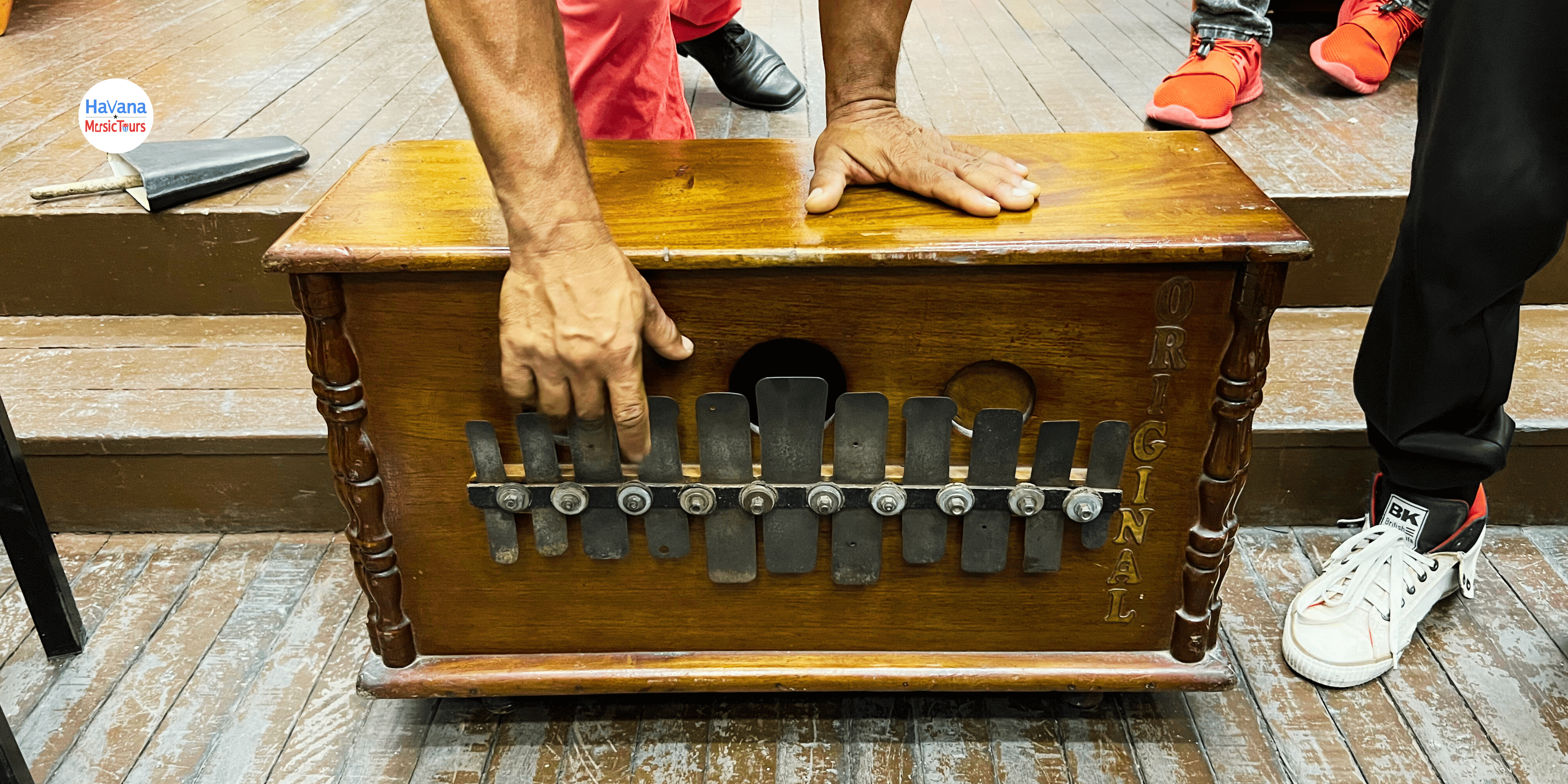
1 - Santiago Music Tours Photos - Havana Music Tours, Marimbula music instrument from Changuรญ de La Maya Group

Savoring Santiago’s Culinary Delights

No visit to Santiago de Cuba is complete without indulging in its culinary delights. From the hearty Creole dishes served at Restaurante La Cabaรฑa to the exquisite flavors of Restaurante El Madrileรฑo, Santiago offers a gastronomic experience that tantalizes the taste buds. As the sun sets, the city’s nightlife comes alive, with venues like Casa de la Trova and Salรณn del Son hosting unforgettable musical performances.

11 - Santiago Music Tours Photos - Havana Music Tours

A Stone’s Throw Away: The Cultural Richness of Guantรกnamo

One of the remarkable aspects of Santiago de Cuba is its proximity to another cultural gem: Guantรกnamo. While Santiago is often celebrated for its musical heritage, Guantรกnamo offers its own tapestry of traditions and rhythms.

Guantรกnamo, like Santiago de Cuba, is renowned for its Tumba Francesa, a unique dance and musical expression blending French and African influences. This tradition, recognized by UNESCO, offers a glimpse into the region’s rich history and the fusion of cultures that Cuba embodies. The city is also home to the vibrant Changรผรญ music, a precursor to son. With its distinct sound, characterized by the marรญmbula and tres, Changรผรญ is a testament to the island’s diverse musical roots.

Beyond music, Guantรกnamo offers insights into Cuba’s multifaceted culture. From the insights of historian Jesรบs Cuenca to the lively Guateque campesino gatherings, there’s a depth to explore that complements the Santiago experience.

Experience Santiago with Havana Music Tours

At Havana Music Tours, we understand the magic of Santiago de Cuba and its neighboring regions. Our tours are crafted not just as sightseeing excursions but as deep dives into the musical and cultural fabric of the places we visit. Led by musician tour guides, our journeys offer authentic experiences, from live music sessions to interactions with local artists.

Whether you’re a music enthusiast, a history buff, or someone looking to experience Cuba beyond the usual, our Santiago de Cuba tour promises memories to cherish. Join us, and let’s create a melody together that you’ll remember for a lifetime. Click here for more info about our Santiago Music & Cultural Tour.


Subscribe to our Newsletter

Stay up to date with our tours, new dates, experiences and offers!โ€‹