
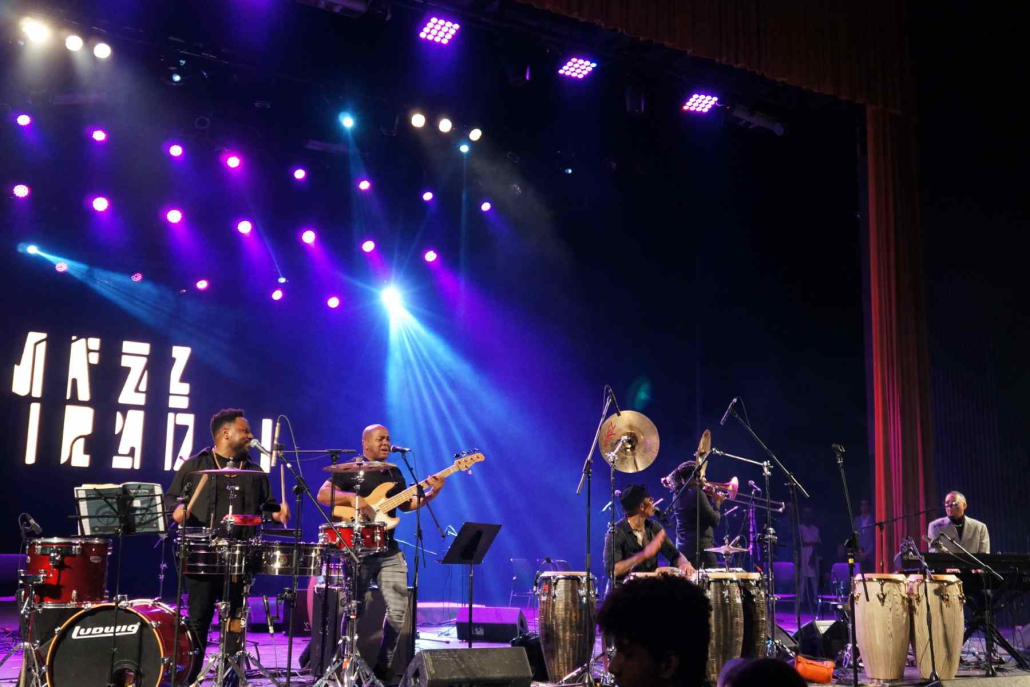
The History of Jazz Plaza: A Celebration of Music, Culture, and Unity
Jazz Plaza is one of Cuba’s most important music events. Known internationally as the Havana Jazz Festival, it began in Havana in 1980 and has grown into a major meeting point for Cuban musicians, international artists, composers, students, critics, and serious music lovers.
The festival’s roots are local. Its name comes from the Casa de la Cultura de Plaza in Vedado, where the early editions helped create a home for Cuban jazz at a time when the island’s musicians were developing a deeply personal language inside the genre. This was not jazz copied from somewhere else. It was jazz filtered through Cuba’s own musical history, shaped by Afro-Cuban traditions, popular dance music, classical training, improvisation, and the lived experience of Cuban artists.
The Origins of Jazz Plaza
Jazz Plaza is closely tied to Bobby Carcassés, one of the central figures in Cuban jazz and a key force behind the festival’s creation. From the beginning, the idea was simple but powerful: give Cuban jazz musicians a serious platform and create space for exchange with artists from around the world.
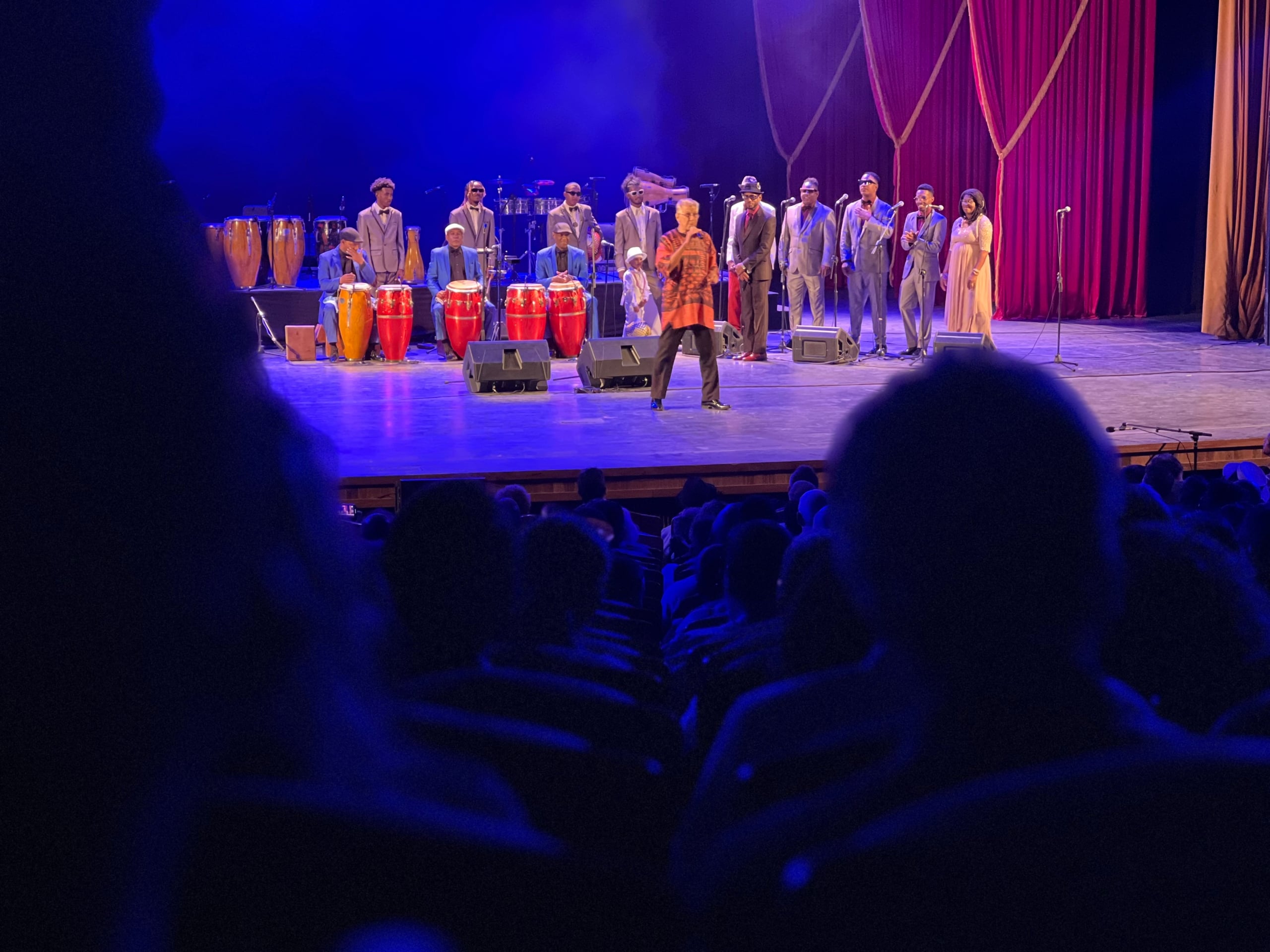
By the early 1980s, Cuban jazz was already moving in bold directions. Musicians were combining the language of jazz with rumba, son, danzón, Afro-Cuban percussion, and the harmonic imagination that has always made Cuban music so distinctive. Jazz Plaza gave that movement a public stage.
In 1983, the festival became international, opening the door for deeper collaboration between Cuban artists and musicians from Latin America, Europe, the United States, and beyond. Over time, it became one of the most respected jazz festivals in the region.
Cuban Jazz on Its Own Terms
One of the most important things to understand about Jazz Plaza is that it is not only a festival that brings jazz to Cuba. It is a festival that shows what Cuba has contributed to jazz.
Cuban musicians have played a major role in shaping Latin jazz and Afro-Cuban jazz, but the music heard at Jazz Plaza often goes beyond those labels. You might hear a pianist moving between classical technique and batá-inspired phrasing. You might hear a horn section that carries the force of Cuban popular music while improvising with the freedom of modern jazz. You might hear a percussionist turn a small rhythmic idea into the foundation for an entire conversation between the band and the audience.
That is what makes Jazz Plaza different. The festival is not just about famous names or major concerts. It is about the way Cuban musicians think, listen, respond, and build music in real time.
A Festival That Connects Generations
Over the years, Jazz Plaza has featured many of Cuba’s most important jazz artists, including figures such as Chucho Valdés, Bobby Carcassés, and members of Irakere, along with younger musicians who continue to push the music forward.
For Cuban artists, the festival is both a stage and a gathering place. It brings together established masters, rising players, students, arrangers, composers, and audiences who understand the music on a deep level. In Havana, a festival concert can feel formal one night and completely spontaneous the next. Some of the most memorable moments happen when generations meet on stage, when a young musician shares a set with someone they grew up studying, or when a visiting artist finds themselves inside a Cuban musical conversation that changes the way they play.
More Than Concerts
Jazz Plaza has never been only a concert series. The festival often includes workshops, academic events, panels, tributes, late-night performances, and collaborations that reach beyond the main stages.
For travelers, this matters. The most meaningful way to experience Jazz Plaza is not to rush from venue to venue trying to check off as many concerts as possible. The real value is in understanding the context around the music: the neighborhoods, the musicians, the rehearsals, the conversations, the history, and the everyday life that shapes what happens on stage.
That is why Jazz Plaza is such an important part of our work at Havana Music Tours. We do not see the festival as a separate event added onto a trip. We see it as a window into Cuba’s music culture at one of its most active and creative moments of the year.
Jazz Plaza Today
Today, Jazz Plaza continues to grow. Recent editions have expanded beyond Havana into other Cuban cities, creating more opportunities for artists and audiences across the island. The festival remains centered on exchange, but it also reflects the realities of Cuba today: the challenges, the resilience of its artists, and the determination to keep creating even when conditions are difficult.

That is part of what makes the festival so powerful. Jazz Plaza is polished at times, raw at others, and always alive. It carries history, but it is not frozen in the past. Every edition brings new collaborations, new compositions, and new ways of hearing the relationship between Cuba and the wider jazz world.
Why Jazz Plaza Still Matters
Jazz has always been a music of movement, conversation, and risk. In Cuba, those qualities take on a particular meaning. The island’s musicians have developed a sound that is technically sophisticated, emotionally direct, and deeply connected to rhythm.
Jazz Plaza gives that sound a stage.
For visitors, the festival offers a rare chance to hear Cuban music in context. You are not only attending concerts. You are witnessing a living musical culture that continues to shape jazz in ways many travelers never fully understand until they experience it in person.
Whether you are a lifelong jazz listener, a musician, or simply someone who wants to understand Cuba through its music, Jazz Plaza is one of the best times of year to be in Havana.
Join us in Havana for the Jazz Plaza Festival and experience the music where it lives: in the theaters, clubs, rehearsal rooms, neighborhoods, and late-night spaces that make Cuba one of the most important music destinations in the world.





Leave a Reply
Want to join the discussion?Feel free to contribute!