Tag Archive for: Cuba

What’s New in Cuba: Our Work and Travel News

Dear Music Traveler Friends,

We just concluded ourย Havana Salsa Fest Tourย yesterday, and I want to share a direct update with you.

Over the past couple of months, Cuba has been at the center of intense headlines.

Fuel pressure, diplomatic tension, uncertainty. We have followed every development closely while remaining in daily contact with our team and family in Havana. Most importantly, we have just completed a full program on the ground.

We are prepared. We are operating. And we are confident in our ability to continue responsibly.

Conditions in Cuba are not simple. There are economic pressures and logistical realities that Cubans navigate every day. What is also true is that the private sector we work with, including guides, musicians, dance instructors, drivers, restaurant owners, and casa owners, continues to function and adapt.

We maintain layered operational plans for transportation and logistics, and on the tour that just concluded, everything ran smoothly under our primary arrangements.

With nine years of experience operating in Cuba, including through the pandemic, we know how to adapt when necessary. Right now, we are fully capable of continuing.

We are also seeing signs that the broader environment may be shifting in a positive direction.ย OFAC has authorized U.S. companies to sell fuel to Cubaโ€™s private sector.ย That is significant and directly impacts the kinds of small businesses we collaborate with. There are credible reports ofย high-level discussions between U.S. and Cuban officialsย regarding economic reform and sanctions relief. The tone appears to be moving toward negotiation rather than escalation.

The U.S. State Department advisory remains at Level 2.ย Authorized travel categories remain intact. Airports are operating. The legal framework for cultural travel has not changed.

Beyond policy and logistics,ย this is aboutย people.

The Cuban people need tourism right now. The slowdown caused by negative headlines has had a real impact on independent musicians, restaurant owners, drivers, artists, and families who rely on visitor income. Our work has always been about building bridges between people, creating cultural exchange, and fostering solidarity through music and shared experience.

We also received aย new five-star TripAdvisor reviewย from the Salsa Festival tour that just ended. It reflects exactly what we experienced on the ground.

We believe this is a meaningful moment to show up responsibly and intentionally.

Upcoming programs include:

โ€ขย VIP Music Tour:ย April 16th-22nd, 2026

โ€ขย Cuban Jazz and Rumba Tour:ย April 29th-May 4th, 2026

โ€ขย Private and customized journeys available year-round

Beginning with this message,ย every new booking will include a $100 per person donation to our nonprofit,ย The CreatiVrole Project. These funds will go directly toward humanitarian support and creative community assistance in Cuba, including families with children and elders who need resources.

If you have been considering Cuba, we are here to answer your questions honestly and directly.

With respect and confidence,

Chaz Chambers

Founder & Director

Havana Music Toursย &ย Musical Getaways

The trip of a lifetimeย (Guest Testimonial)

Havana Salsa Festival Tour 2026 - guest testimonialโ€œโ€ฆ I’m writing this review the morning after I returned home from the trip. I feel like I’ve left some very good friends behind – friends I didn’t have a week ago. And when I go back, which I am already beginning to plan for, it will be with this group of people. I could not have wanted anything moreโ€. Read more.

– Joseph, Havana Salsa Festival Tour 2026


Havana Jazz Plaza Festival 2026 Program: What to Expect This January in Cuba

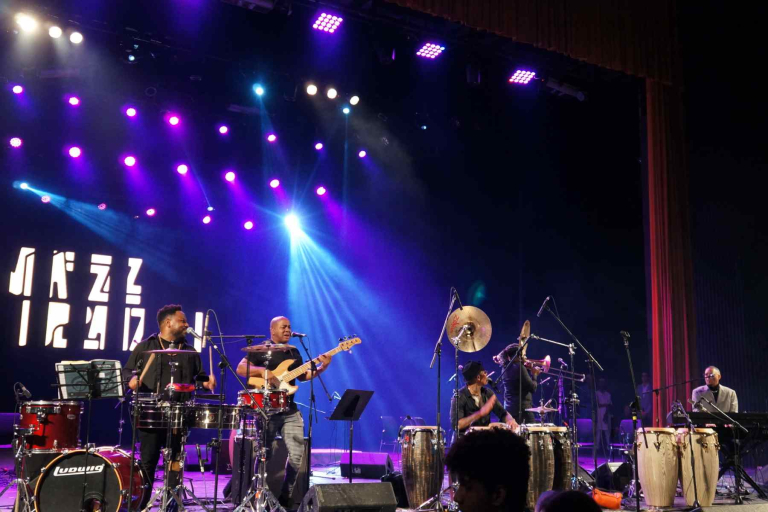
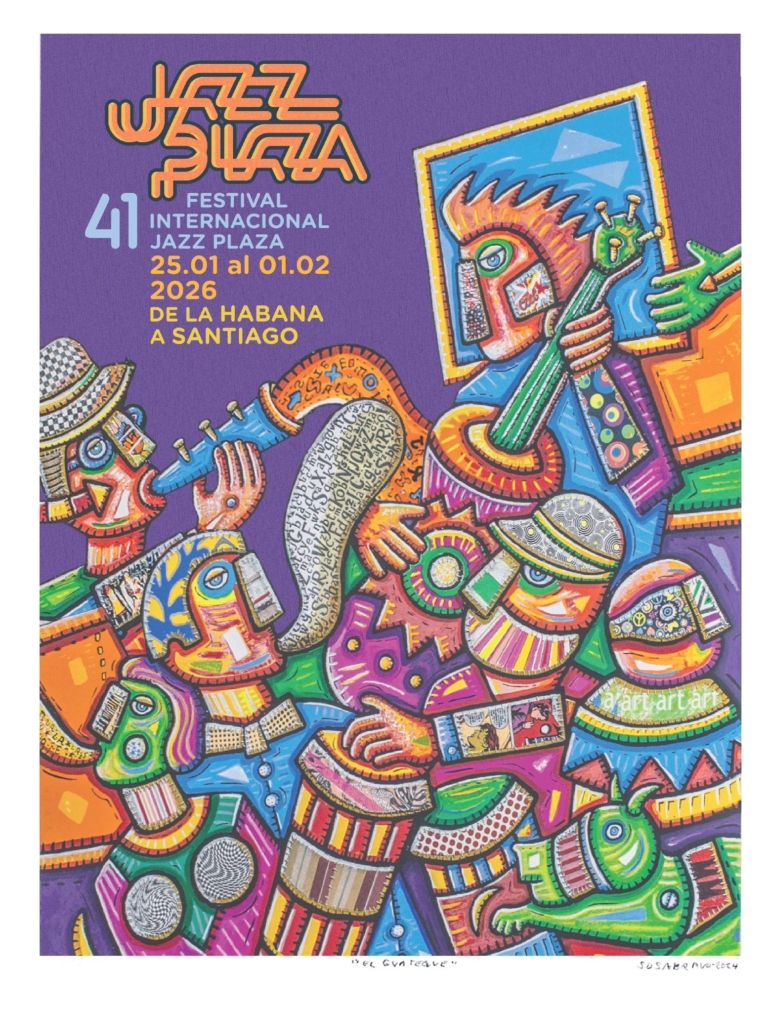
The official program for the 41st Havana Jazz Plaza Festival has been released, confirming that Jazz Plaza 2026 will be one of the most expansive and musically ambitious editions in the festivalโ€™s history.

Taking place from January 25 through February 1, 2026, the festival unfolds across Havana, Santiago de Cuba, Santa Clara, andโ€”for the first timeโ€”Holguรญn. This yearโ€™s event combines large-scale concerts, intimate club shows, and the critical Coloquio Internacional de Jazz, an academic program that sets this event apart from other international jazz festivals.

Below is a breakdown of the 2026 program highlights and how to experience the festival like an insider.


A Multi-City Musical Event

While Havana remains the epicenter, Jazz Plaza 2026 continues its commitment to a multi-city format. Curated programming will be held in:

  • Havana: The cultural heart with the highest concentration of venues.

  • Santiago de Cuba: The cradle of son and Afro-Cuban rhythms.

  • Santa Clara & Holguรญn: Expanding the festivalโ€™s footprint into central and eastern Cuba.

This structure allows audiences to engage with jazz in diverse settings, from the historic Basรญlica Menor del Convento de San Francisco de Asรญs to the cutting-edge stages of Fรกbrica de Arte Cubano (FAC).

Major Concert Highlights & Artists

The 2026 lineup, led by Artistic Director Roberto Fonseca, balances legendary Cuban figures with international collaborators. Key performances and projects to watch for include:

  • Roberto Fonsecaโ€™s “Selection of Masters”: A special closing show and featured performances in Santiago de Cuba.

  • From Montreux to Havana: A showcase featuring Cuban winners of the Montreux Jazz Festival, including Yilian Caรฑizares, Rolando Luna, and Harold Lรณpez-Nussa.

  • Contemporary Cuban Voices: Performances by Dayramir Gonzรกlez, Zahili Zamora, Yaroldy Abreu, and Oliver Valdรฉs.

  • International Guests: Artists from over 15 countries, including Aaron Goldberg, Amina Figarova, and the JoGo Project (USA).

The programming moves fluidly between straight-ahead jazz, Afro-Cuban forms, and interdisciplinary collaborations with dance and visual arts.

jazz plaza festival line up 2026 2 jazz plaza festival line up 2026

Key Venues in Havana

If you are navigating the festival on your own, these are the primary hubs:

  • Teatro Nacional (Sala Avellaneda and Sala Covarrubias)

  • Jardines Teatro Mella

  • Teatro Museo Nacional de Bellas Artes

  • Pabellรณn Cuba (often the site of younger, high-energy afternoon sets)

  • Fabrica de Arte Cubano

The Jazz Plaza Colloquium: More Than Just Concerts

The Coloquio Internacional de Jazz “Leonardo Acosta in Memoriam” remains a core pillar of the festival. This yearโ€™s academic program (running concurrently with the music) features:

  • Masterclasses: Led by visiting international professors and Cuban masters.

  • Panel Discussions: Focused on jazz history, gender representation in music, and the evolution of the saxophone tradition in Cuba.

  • Tributes: Celebrating the 50-year career of the legendary group Sรญntesis.

For educators and serious listeners, these sessions provide the necessary context to understand why Cuban jazz sounds the way it does.


Planning Your Trip to Jazz Plaza 2026

Navigating the official schedule can be a challenge, as venues and times frequently shift. We recommend downloading the program but staying flexible.

Download the full schedule here.

Join Our Musician-Led Tour

At Havana Music Tours, we curate a small-group Havana Jazz Festival Tour designed for those who want deeper access. Our tours are led by professional musicians and include:

  • Festival Passes with preferred seating.

  • Private concerts and studio visits with festival performers.

  • Legal travel for US citizens under the “Support for the Cuban People” category.

Contact us if you have more questions about our tour.

Son Cubano is UNESCO’s Newest Heritage: Why it’s the Soul of Cuban Music

UNESCO has officially inscribed the practice of Cuban Son on the Representative List of the Intangible Cultural Heritage of Humanity. For Cuba, this recognition affirms a truth musicians, families, and communities have carried for generations: Son Cubano is not merely a genre. It is a shared cultural memory and one of the strongest expressions of Cuban identity.

The designation follows the work of Cubaโ€™s Ministry of Culture, the National Council of Cultural Heritage, and the National Committee of Intangible Heritage. They presented the detailed documentation demonstrating how this essential form of Cuban music continues to thrive across the island. UNESCO emphasized its vital intergenerational transmission, its role in community life, and its powerful influence as a cornerstone of Cuban culture.

Why Son Cubano is the Foundation of Cuban Music (And Salsa)

Son Cubano has shaped the evolution of Cuban popular music for more than a century. It blends the poetic structure of the Spanish canciรณn with potent Afro-Cuban rhythm, poetry, and call-and-response singing. The music originated in the eastern region of the island and later spread to Havana, where it helped shape urban music-making and the modern Cuban son style.

Even as foreign genres have come and gone throughout Cuban history, the core of Cuban Son still carries a familiar charge. Its defining syncopationโ€”driven by the interlocking clave rhythmโ€”is a musical code Cubans instantly recognize. That same energy resonates internationally, where listeners respond to the distinctive groove and melodic clarity of this quintessential salsa music ancestor.

Havana Salsa Festival PhotosIMG_3202 2

Essential Listening: The Unforgettable Songs of Son Cubano

The history of Son Cubano is full of unforgettable pieces. Even naming only a few demonstrates how deeply this tradition is woven into Cuban life:

  • โ€œSon de la Lomaโ€ โ€“ Trรญo Matamoros

  • โ€œGuajira Guantanameraโ€ โ€“ Joseรญto Fernรกndez

  • โ€œร‰chale Salsitaโ€ โ€“ Septeto Nacional

  • โ€œChan Chanโ€ โ€“ Compay Segundo

  • โ€œQuรฉ Bueno Baila Ustedโ€ โ€“ Benny Morรฉ

  • โ€œPor Encima del Nivelโ€ โ€“ Juan Formell & Los Van Van

  • โ€œY Quรฉ Tรบ Quieres Que Te Denโ€ โ€“ Adalberto รlvarez y su Son

  • โ€œMe Dicen Cubaโ€ โ€“ Alexander Abreu & Havana Dโ€™Primera

These songs are more than repertoire. They are emotional anchors and cultural markers that bind generations.

“El son es lo mรกs sublime para el alma divertir”

Ignacio Piรฑeiroโ€™s famous line, meaning “Son is the most sublime thing to divert the soul,” still captures the feeling this music inspires. The tradition has grown from rural gatherings to international concert halls, and it continues to evolve through new generations of soneros. The tres, the bongos, the bass, the clave, and the poetry remain at the center of Cuban musical expression.

UNESCOโ€™s decision affirms what many already knew. Son is a living cultural force. It is an art form that binds history, community, and creativity.

Experience Son Cubano: Meeting the Music in Cuba Today

On our music-focused tours in Cuba, guests often experience Son Cubano in its most authentic environments:

  • Home-based rehearsals and neighborhood gatherings.

  • Conversations with musicians who grew up inside the tradition.

  • Encounters with rising ensembles, shaping the future of the style.

  • Festival nights where the roots and contemporary expressions of Cuban son meet.

These direct, personal moments reveal why Son Cubano remains essential to Cuban culture and why UNESCO chose to recognize it. Ready to go beyond the playlist? Experience Cuban Son directly.

The Ultimate Expression: Our VIP Havana Salsa Festival Tour

To witness the full evolution of son into modern Cuban salsa music (or timba), consider our VIP Havana Salsa Festival Tour. This tour integrates the intimate cultural encounters of our general programs with the energy of Cuba’s largest music event.

You’ll not only learn from artists carrying the son tradition forward but also receive exclusive VIP access to the festival, featuring performances by Cuba’s biggest orchestras like Alexander Abreu y Havana DยดPrimera, Los Van Van, and more.

Explore our educational programs in Cuba or book your VIP Festival experienceโ€”your journey into the soul of Cuban sound starts now!

VIP Havana Salsa Festival Tour Details

Cubaโ€™s New Sound: The Abreu Brothers Take the Stage

ABC News recently profiled Fabio and Diego Abreu, two teenage musicians from Havana who are already reshaping the landscape of Cuban jazz. For me, their recognition on an international platform is both exciting and deeply personal.

As a colleague of their mother, Iโ€™ve watched them grow up, and their talent was obvious from a very early age. At 19 and 17, the brothers bring a technical command and artistic maturity that belie their age. Their success confirms what I and many others in our community have witnessed firsthand: a new generation of Cuban musicians is ready to lead.

A Family Steeped in Music

The Abreu brothers grew up surrounded by music at the highest level. Their mother, my dear colleague Neris Gonzalez, is a Cuban musicologist whose career has been devoted to documenting and teaching the countryโ€™s complex traditions. Their father, Yaroldys Abreu, is a well-known percussionist whose rรฉsumรฉ includes work with Irakere and Chucho Valdรฉs, names that defined Cuban jazz on the world stage.

That background gave Fabio (drums) and Diego (piano) more than just access to instruments; it also provided them with a shared passion for music. It placed them inside conversations about form, history, rhythm, and interpretation from childhood.

Their playing carries that lineage: an easy fluency with Cuban clave, a sensitivity to harmony shaped by both conservatory study and family rehearsal, and a willingness to treat jazz as a living language rather than a fixed repertoire.

From the Home to the Stage: La Casa Producciones

This commitment to music is also a professional mission. Neris is the founder of La Casa Producciones, an independent cultural project dedicated to promoting authentic Cuban music. More than a record label, itโ€™s a hub for creation and education that organizes workshops, produces historical materials, and curates intimate concerts. For Fabio and Diego, this meant they grew up not just in a musical family, but inside a living cultural workshop.

The importance of a project like this for Cuba’s new generation of musicians is immense. In a landscape often defined by official institutions, La Casa Producciones provides a vital independent space where young artists can connect with masters, collaborate freely, and develop their own voices. It ensures that the future of Cuban music is nurtured by a community that is deeply invested in both its rich history and its constant evolution.

Early Performances and the Shape of Their Sound

When the brothers first began appearing in Havana venues a few years ago, their performances already carried a distinct character. Diegoโ€™s piano playing shows a balance between percussive montuno figures and extended jazz voicings, often moving from tightly clustered chords to open, impressionistic textures.

Fabioโ€™s drumming is a masterclass in control and fire; he anchors every piece with a deep understanding of Afro-Cuban tradition but explodes with jazz improvisation, driving the ensemble with complex polyrhythms.

Hearing them together is to listen to a dialogue in motion. Their interplay recalls classic small-ensemble jazz traditions, yet Cuban rhythmic sensibilities always frame it.

It is not unusual to hear them reference danzรณn cadences or rumba phrasing inside an otherwise straight-ahead jazz setting. This fusion is what makes their music feel both grounded and forward-looking.

A Generation Finding Its Own Space

The ABC News article underscored an important context: the availability of internet access in Cuba since 2018 has allowed younger musicians to study recordings, exchange ideas, and share performances in ways that were once impossible. Coupled with the rise of smaller independent venues, artists like the Abreu brothers are creating scenes outside the old infrastructure.

They are part of a generation comfortable moving between the conservatory and the club, the rehearsal studio and the online livestream. For audiences, this means you can now hear young players drawing equally from John Coltrane, Chucho Valdรฉs, and contemporary New York jazz while still staying rooted in Cuban forms.

The Abreu Brothers & the Future of Cuban JazzIMG_5075

Recent Collaborations in Education

On a recent educational tour our organization hosted, I had the immense pleasure of working directly with Fabio and Diego alongside their mother, Neris. Together, they prepared a guided walk through Cuban music history.

Neris offered context on the evolution of styles, and the brothers illustrated these transitions on their instruments, Diego tracing melodic and harmonic shifts on the piano while Fabio demonstrated the evolution of the underlying rhythmic patterns on the drums.

The Abreu Brothers & the Future of Cuban JazzIMG_0191

It was not a performance in the conventional sense. It was a class in motion, where history and sound became inseparable. To see this lesson led by a family spanning two generations of expertise was truly remarkable.

Where to Hear the Abreu Brothers

Today, the Abreu brothers are active across Havana. They can often be heard at intimate venues, like Fangio Habana, festivals like the Havana Jazz Festival, and larger cultural spaces. Their sets shift depending on the room: a tight quartet in a jazz club, or collaborations with other young players in multi-artist showcases. For those traveling with us, there are opportunities to attend workshops and live concerts where they and their peers are shaping Havanaโ€™s new sound.

Why Their Story Resonates

Having seen their talent from its earliest stages, I find the story of the Abreu brothers especially resonant. They embody the continuity of Cuban music, carrying the discipline of conservatory training, the grounding of a family steeped in tradition, and the curiosity of young artists who refuse to stop at boundaries. Their recognition by ABC News signals what many of us have already seen: that Havana remains a city where new voices rise quickly, and where the future of jazz is being written in real time.

Plan Your Visit

Our programs are designed around educational exchange with musicians like the Abreu brothers. From structured workshops to late-night club sets, we place travelers inside the conversations shaping Cuban music today.

For U.S. guests, these tours operate under OFAC general licenses for Educational Activities and Support for the Cuban People.

See dates and book | Ask a question

Best Time to Visit Havana for Music: A Musicianโ€™s Guide to Planning Your Trip

Havana is a city where every corner carries a melody. From traditional son and rumba to modern jazz, salsa, and timba, music flows through plazas, clubs, and living rooms. If you are deciding the best time to visit Havana for music, a little planning before you arrive will make your trip even more rewarding.

Time Your Visit for the Music You Want Most

One of the biggest draws for music lovers is the Havana Jazz Festival, held every January. The festival fills theaters, clubs, and open-air plazas with performances from some of Cubaโ€™s most respected musicians alongside international artists. Tickets can be hard to secure, and schedules are often released late, so many travelers choose to arrange their trip through a guided music experience. This way, the logistics, festival access, and local connections are handled, leaving more time to focus on the music.

If your trip falls outside jazz festival week, thereโ€™s still an impressive lineup throughout the cooler months from November to April. For many travelers, this is the best time to visit Havana for music, from the Havana Salsa Festival in late February or early March, to ongoing rumba gatherings, intimate jazz events, and other special performances. Even without a major festival, thereโ€™s almost always something worth planning your nights around.

Decide on Your Musical Priorities

Havanaโ€™s music scene is diverse and spread across neighborhoods. Some travelers plan their days around live jazz clubs, while others seek out traditional music patios, late-night timba shows, or private percussion lessons. Deciding what excites you most will help shape your itinerary and influence where you stay. Vedado offers access to major theaters and arts spaces, while Centro Habana brings you closer to spontaneous street-level performances.

Build Connections Before You Arrive

Some of the most memorable moments happen away from the main stages, at rehearsals, in private homes, or in late-night gatherings that arenโ€™t on any public schedule. These spaces often open up through personal connections. Traveling with someone who knows the musicians and the unlisted venues, like our team at Havana Music Tours, can lead you to experiences that visitors rarely find on their own.

Leave Space for the Unexpected

Schedules in Havana tend to be flexible. A concert might start later than planned, or a band could switch venues with little notice. Leaving some open time allows you to follow tips from locals, stumble upon an unplanned street performance, or accept a spontaneous invitation to a jam session. These unplanned moments often become the highlights of a trip.

Prepare the Practical Details Early

For travelers from the United States, it is important to make sure your trip complies with current travel regulations. Many visitors travel under the โ€œSupport for the Cuban Peopleโ€ category, which encourages direct engagement with local communities. Sorting out flights, accommodations, and a general itinerary in advance will keep your focus on enjoying the trip once you are there.

Let the Anticipation Grow

Before your trip, spend time exploring Cuban music. Listen to recordings, watch concert footage, and read about the history behind the styles youโ€™ll hear. By the time you arrive, the songs will already feel familiar, and the connections you make will be deeper.

At Havana Music Tours, we design musician-led experiences that connect you with Havanaโ€™s music from the inside. Whether itโ€™s aligning your visit with a major festival or creating a private, year-round itinerary, our goal is to help you experience Cubaโ€™s music in ways that feel genuine, personal, and unforgettable.

Cubaโ€™s Tourism Ban for U.S. Travelers Explained: What It Really Means for Your Travel in 2025

This article provides the latest information about legal travel to Cuba for U.S. travelers as of July 2025. However, U.S.-Cuba policies are evolving, and new announcements continue to create questions. We will update this blog as needed and share further information in our Travel Updates & Regulations section, where you can always find the latest news and resources.

Thereโ€™s been a lot of confusion this week after President Trump released a new Cuba policy update โ€” officially called NSPM-5. Social media and some news outlets have made it sound like traveling to Cuba is suddenly off-limits again for U.S. citizens.

Letโ€™s set the record straight:

You can still legally travel to Cuba as a U.S. traveler. Nothing significant has changed about that.

The Truth About the U.S. Tourism Ban to Cuba โ€” Itโ€™s Not New

First, itโ€™s important to understand the terminology. When people say thereโ€™s a โ€œtourism banโ€ to Cuba, they arenโ€™t talking about a total ban on travel โ€” theyโ€™re referring to a long-standing U.S. policy that prohibits pure tourism for U.S. travelers.

In fact, the tourism ban has been in place for over 60 years, dating back to the early 1960s. Itโ€™s not new. It applies no matter who is in the White House โ€” Republican, Democrat, or otherwise.

But that does not mean U.S. travelers cannot visit Cuba. It simply means you canโ€™t go for a typical beach vacation with no legal reason.

Havana - Cuba tourism ban explained for U.S. travelers 2025

How Legal Travel to Cuba Works for U.S. Travelers

Instead of unrestricted tourism, U.S. travelers visit Cuba under whatโ€™s called authorized travel categories, regulated by the U.S. Treasury Departmentโ€™s Office of Foreign Assets Control (OFAC). These categories ensure your trip has a legal purpose that aligns with U.S. regulations.

There are 12 authorized travel categories, including:

โœ”๏ธ Educational activities
โœ”๏ธ Support for the Cuban people
โœ”๏ธ Professional research and meetings
โœ”๏ธ Humanitarian projects
โœ”๏ธ Religious activities

At Havana Music Tours, we specifically operate under the Support for the Cuban People category โ€” one of the most viable and durable options for U.S. travelers. This category encourages meaningful exchanges with Cuban entrepreneurs, musicians, artists, and other members of Cuba’s growing private sector.

While Group People-to-People Educational Activities was another popular category for cultural tours like ours, it has historically been more vulnerable to political changes. In fact, during his previous term, President Trump eliminated that category, and President Biden later restored it. With Trump’s recent announcement indicating plans to revoke Biden’s Cuba policies, Group People-to-People travel could be restricted again in the near future.

Thatโ€™s why we focus on Support for the Cuban People, which remains a legal, stable way to experience Cuba, even as administrations change.

Havana students musicians - Cuba tourism ban explained for U.S. travelers 2025 (2) Havana students musicians - Cuba tourism ban explained for U.S. travelers 2025

What Did Trumpโ€™s New Cuba Policy Actually Change?

On June 30, 2025, the Trump administration released NSPM-5, outlining updated U.S. policy toward Cuba. Understandably, this sparked concern and confusion, especially for U.S. travelers.

So what does it really mean?

  • The long-standing tourism ban remains, but thatโ€™s been in place for decades.
  • The 12 authorized travel categories, including Support for the Cuban People, are still in place, for now.
  • But Trump has clearly stated his intention to reverse President Bidenโ€™s Cuba travel policies, which could affect certain categories.

This latest policy primarily focuses on tightening sanctions against the Cuban government and military-linked businesses, similar to previous Trump-era measures. It does not eliminate the existing legal pathways for U.S. travelers to visit Cuba under OFAC licenses.

Avoid the Confusion โ€” Travel the Right Way

Unfortunately, misinformation often spreads quickly, especially online. Weโ€™ve seen social media posts and commentaries incorrectly claiming:

๐Ÿšซ “Americans can’t travel to Cuba anymore” โ€” False.
๐Ÿšซ “The tourism ban means no more Cuba trips” โ€” Misleading.
๐Ÿšซ “You can just go under the radar” โ€” Risky and illegal.

Hereโ€™s the reality: If you attempt to visit Cuba outside of the authorized categories, you could face serious consequences, including frozen bank accounts, steep OFAC fines, and complications with your U.S. legal status if youโ€™re not yet a citizen.

The safest, simplest option? Travel with a reputable organization like Havana Music Tours that ensures your trip is compliant, educational, and fully documented.

How We Ensure Legal, Meaningful Travel to Cuba

Our tours are designed to comply with U.S. regulations while providing unforgettable, authentic cultural experiences. We focus on:

  • Educational exchanges with Cuban musicians and artists
  • Supporting private Cuban entrepreneurs and cultural projects
  • Staying in privately-owned accommodations, not government hotels
  • Creating real connections that support Cuban civil society

We handle the logistics, documentation, and compliance details โ€” so you can enjoy the music, culture, and beauty of Cuba with peace of mind.

Cuba children projects - Cuba tourism ban explained for U.S. travelers 2025

Final Thoughts: Yes, You Can Still Travel to Cuba as a U.S. Citizen

Despite the headlines, Cuba remains open to U.S. travelers โ€” just not for unrestricted tourism. The rules have been in place for decades, and they continue to allow legal, educational, and cultural travel under OFAC guidelines.

At Havana Music Tours, weโ€™ve been guiding travelers through this process for years, ensuring every trip is both legal and impactful.

If youโ€™re curious about how it works or want to join an upcoming music tour, contact us here. Weโ€™re happy to answer your questions and help you experience Cuba โ€” the right way.


Disclaimer: This blog is for informational purposes only and does not constitute legal advice. Travelers are encouraged to consult official U.S. government resources or an attorney regarding Cuba travel regulations.ย  ย 

Yes, U.S. Travelers Can Still go to Cuba in 2025โ€”Hereโ€™s What You Need to Know

This article provides the latest information about legal travel to Cuba for U.S. travelers as of June 2025. However, U.S.-Cuba policies are evolving, and new announcements continue to create questions. We will update this blog as needed and share further information in our Travel Updates & Regulations section, where you can always find the latest news and resources.

If youโ€™re planning a trip to Cuba or thinking about joining one of our cultural tours, hereโ€™s the truth:
YESโ€”U.S. Travelers can still go to Cuba in 2025, legally. The new proclamation signed by President Trump on June 4, 2025, does not ban U.S. citizens or residents from visiting Cuba.

Letโ€™s break it down:


What the New โ€œTravel Banโ€ Really Is

The June 2025 proclamation is not a ban on American citizens visiting other countries.
It is a ban on certain foreign nationals entering the United States.

Specifically, it suspends entry into the U.S. for citizens of 19 countries, including Cuba, under certain nonimmigrant visa categories (such as B-1/B-2 tourist visas and student visas). It targets foreign nationals from those countries, not Americans.

To be clear:

  • This new rule does not stop Americans from flying to Cuba.

  • It does not restrict U.S. airlines or Cuba-bound tours.

  • It does not affect U.S. passports or Cuba travel categories authorized by the U.S. government.


Americans Can Still Travel to Cubaโ€”Legally

U.S. citizens can still travel to Cuba under one of the 12 approved categories of travel established by the U.S. Treasuryโ€™s Office of Foreign Assets Control (OFAC). The most popular and practical for independent travelers and small groups is โ€œSupport for the Cuban People.โ€

Thatโ€™s the license category under which most of our Cuba tours operate.

To comply with the rules, your trip must involve a full-time schedule of meaningful interactions with local Cubans, such as staying in privately owned accommodations (casas particulares), attending performances by independent musicians, dining at local restaurants (paladares), and more. Thatโ€™s exactly what we do on our tours.

Cuba Tour - Casa particular breakfast supporting the Cuban private sector-Havana Music Tours 2025 IMG_2470


Why Is Cuba on the Listโ€”And Why It Still Doesnโ€™t Affect Your Trip

Cuba was included in the recent proclamation along with several other countries, but many experts and travelers view this inclusion as more political than practical. The U.S. continues to label Cuba as a โ€œstate sponsor of terrorismโ€โ€”a designation that is widely criticized and not reflective of the reality on the ground.

But again, this proclamation is about who is allowed to come into the U.S., not who is allowed to leave the U.S. to travel abroad.

Unless youโ€™re a Cuban citizen applying for a new U.S. tourist or student visa, this policy does not affect you.


What This Means for Your Cuba Trip

If youโ€™re a U.S. citizen or resident:

  • You can still legally travel to Cuba in 2025

  • Our tours operate under a โ€œSupport for the Cuban Peopleโ€ general license, still valid under U.S. law as of July 2025

  • You will need a Cuba Tourist Card, which serves as a visa for entry into Cuba

  • While we don’t issue the Tourist Card ourselves, weโ€™ll guide you through the simple process of getting oneโ€”most travelers obtain it easily through the airline or a trusted third-party provider

  • Your trip remains fully legal and compliant with current U.S. regulations, as long as you engage in meaningful cultural interactions, which is exactly what our tours are built around.

Learn more about Cuba Travel Licenses for Americans here.


Independent Cuban musicians supported by U.S. travelers

Why This Mattersโ€”and Why You Should Still Go

Travel to Cuba isnโ€™t just legalโ€”itโ€™s meaningful.

At a time when misinformation and restrictions are increasing, choosing to visit Cuba the right way is a powerful act of connection. It supports local musicians, artists, small business owners, and independent guidesโ€”people who rely on cultural exchange and tourism to thrive.

Weโ€™ve spent years building close relationships with Cubaโ€™s music community. Our tours offer more than sightseeing. Youโ€™ll experience:

  • Private performances by world-class Cuban musicians

  • One-on-one exchanges with artists, dancers, and historians

  • Time in Havanaโ€™s jazz clubs, recording studios, and street scenes most tourists never get to see

  • Authentic, ethical travel that supports real peopleโ€”not state-run entities

Whether youโ€™re visiting for the legendary Havana Jazz Festival or joining one of our curated music and culture Cuba tours, your trip is part of something bigger: sustaining creativity, sharing culture, and building bridgesโ€”one rhythm at a time.


Bottom Line

Donโ€™t let the headlines scare you.

This new proclamation does not stop Americans from going to Cuba. It restricts certain foreign nationals from entering the U.S.โ€”it has nothing to do with your ability to visit Cuba legally.

So if youโ€™ve been dreaming about the music, culture, and rhythm of Cuba, nowโ€™s a great time to go, with confidence.

Explore responsibly. Travel legally. Support the Cuban people.

Essential Donations for Cuba: Supporting Cuban Families

Cuba is a nation rich in culture, community, and resilience. However, many families face daily challenges accessing basic necessities, from food and hygiene supplies to practical tools for modern living. While many other essentials and medicines are needed in Cuba, this list focuses onย Essential Donations that are easy to buy and transport. If you want to donate more specific medicines or items, please contact us for guidance.

Providing these essential donations can help support Cuban families and make a meaningful difference in their lives. Havana Music Tours believes in the power of music to unite cultures and foster understanding. By supporting Cuban families, we strengthen the bonds that connect us all. Our commitment to social causes reflects our deep respect for the Cuban community, ensuring every traveler contributes positively to their journey.

Food and Nutrition Supplies

Access to nourishing food is critical for families, especially those with young children or older members. Here are some high-demand items that can provide much-needed sustenance:

  • Powdered Milk: A versatile and lightweight staple for all ages.
  • Baby Formula: Essential for infants to ensure proper growth and development.
  • Protein Bars: A convenient, high-energy snack for busy families.
  • Dried Fruits and Nuts: Nutritious and long-lasting, these are perfect for supplemental nutrition.
  • Canned Meats or Fish (with easy-open tabs): A source of protein thatโ€™s easy to store and use.
  • Instant Rice: Quick to prepare and a staple in Cuban households.
  • Angel Hair Pasta: Lightweight and fast-cooking, ideal for families with limited resources.
  • Powdered Soup Mixes: Easy to transport and prepare, providing warmth and nutrition.
  • Instant Mashed Potatoes: A comfort food thatโ€™s easy to make.
  • Peanut Butter Packets or Nut Butter Sachets: Portable, calorie-dense, and nutrient-rich.

Medical and Hygiene Supplies

Access to basic medical and hygiene products is critical for maintaining health and dignity. These items are always in demand:

  • Aspirin, Ibuprofen, or Acetaminophen (bulk packs): These are essential pain relief for all ages, including baby-friendly Tylenol for the youngest family members.
  • Electrolyte Powders (like Liquid IV): Crucial for staying hydrated in Cubaโ€™s warm climate.
  • Basic First Aid Kits: Bandages, antiseptics, and other essentials for minor injuries.
  • Feminine Hygiene Products: Pads or tampons to ensure dignity and comfort.
  • Diapers and Baby Wipes: Lifesavers for families with young children.
  • Small Tissue Paper Packets: Practical and portable for everyday use.

Power and Practical Tools

With intermittent power in some areas, practical tools can greatly improve daily life. These items are particularly helpful:

  • Solar Lanterns: Reliable and eco-friendly lighting for homes and emergencies.
  • Rechargeable Battery Packs and Power Banks for Phones: Essential for staying connected.
  • Small Flashlights and LED Headlamps: Lightweight and useful for any situation.
  • Portable Solar Panels: A sustainable power source for small devices.
  • Solar or Battery USB Fans: Vital for comfort in Cubaโ€™s tropical climate.

Additional Useful Donations for Cuba

Sometimes, itโ€™s the simple things that make the biggest difference:

โ€ขReusable Shopping Bags: Perfect for carrying donated goods and reducing plastic waste.

How You Can Help

Whether youโ€™re traveling to Cuba, donating from afar, or spreading awareness, every contribution counts. Hereโ€™s how you can support:

1.ย Bring Supplies: If you’re visiting Cuba, pack some items in your luggage. Even a small amount can make a big difference to a local family.

2. Donate Funds: If you cannot bring physical items, monetary donations can help purchase these essentials locally.

3. Partner with Us: At Havana Music Tours, we work directly with communities in need. Contact us to learn how you can contribute to ongoing initiatives.

Why Your Donations for Cuba Matters

Every item you donate has a direct impact. From providing a child with proper nutrition to helping a family cope with power outages, your contributions create meaningful change.

Together, we can support Cuban families and ensure they have the necessary resources to thrive. Letโ€™s work as a global community to bring hope, comfort, and practical help where itโ€™s needed most.

For more information on how you can get involved, contact us at Havana Music Tours. Letโ€™s make a difference together.

Would you like us to share your story of giving? Please send us your experience, and letโ€™s celebrate the power of collective action to support Cuban families.

Below are some pictures from our RELIEF BRIGADE to Eastern Cuba in November 2024 after Hurricane Oscar affected the area. Our team raised enough money to buy items like the ones mentioned before to bring to the most affected areas, such as San Antonio and Imias. We also used the cash to buy other essentials on the island that are hard to transport by plane.

donations for cuba 0f0f7c8e-311b-4ab8-a11b-36efefc1e694 donations for cuba 3donations for cuba 2 donations for cuba 45b94a60-6b60-4b23-b558-e89bb83dce4cdonations for cuba 4 donations for cuba 60f574b9-d8c7-40ec-ac9f-e52ff21b78f8 donations for cuba


donations for cuba 498204ea-6c60-45e6-bf56-9f75c1f043e4donations for cuba a3bfd4b3-3508-4c0e-b324-6b4fefe5a0fa

Supporting Cuban Music: Donations for Music Students and Local Musicians

Cuba is a country where music flows through every street, home, and heart. Its vibrant rhythms, from son and salsa to classical and jazz, have earned global admiration. However, behind this rich cultural tapestry lies a reality where many musicians and music students face challenges accessing essential instruments and supplies. Thatโ€™s where Musical Donations for Cubans can make a profound difference, providing the resources needed to sustain and grow this vibrant cultural legacy.

At Havana Music Tours, weโ€™re passionate about connecting people to Cubaโ€™s music and culture, and now weโ€™re calling on our community to help support the next generation of Cuban musicians. Hereโ€™s how you can contribute to this meaningful cause by making musical donations for Cubans.

music students - musical donations for cubansIMG_4888

Why Donations for Cuban Musicians Matter

Cuban music schools nurture incredible talent, but resources are often limited. From elementary-level music students to professional musicians, there is a pressing need for instruments, accessories, and supplies. These items play a vital role in ensuring Cuban music thrives for generations to come.

Hereโ€™s what your donation can do:

  • Equip young students with the tools they need to pursue their dreams.
  • Provide professional musicians with the resources to repair and maintain their instruments.
  • Strengthen the vibrant musical culture that makes Cuba unique.

How Our Tours Support Cuban Musicians

At Havana Music Tours, we strive to create an immersive experience that benefits our guests and the local communities.

1. Direct Support for Musicians:

During our tours, we collaborate with talented local musicians and bring them directly to our audiences. This creates valuable performance opportunities and income streams for the artists.

2. Supporting Music Schools:

Many of the venues and cultural stops we visit are tied to local music schools. We use a portion of our tour proceeds to donate supplies or help fund educational programs.

3. Building Awareness:

Through live music performances, workshops, and cultural exchanges, our guests learn about Cuban musicians’ challenges. This awareness often inspires additional donations and support.

When you travel with us, youโ€™re directly contributing to these efforts by supporting performances, donating supplies, or simply being part of a community that values Cuban music. Check out some of our Cuba Tours.

Whatโ€™s Needed Most

Weโ€™ve compiled a list of high-demand items to guide your musical donations for Cubans:

1. Instruments:

  • Saxophones, clarinets, and French horns.
  • Double basses and cellos (4/4 size).
  • Flutes, trumpets, and trombones.
  • Percussion instruments, like congas, bongos, timbales, and claves.

2. Accessories:

  • Reeds for oboe, clarinet, and bassoon.
  • Guitar strings (acoustic preferred).
  • Nylon strings for classical guitars and bass strings.
  • Trumpet and trombone grease.
  • Cleaning cloths and valve oil for brass instruments.
  • Rosin for string instruments.
  • Violin, cello, and double bass bows.

3. Educational Supplies:

  • Staff paper notebooks.
  • Method books for beginners and intermediate levels (e.g., Suzuki or Hal Leonard series).
  • Sheet music for classical, jazz, and Cuban music.
  • Music theory guides.
  • Flashcards for music note reading and rhythm exercises.

4. Technology and Electronics:

  • Metronomes and tuners.
  • Portable speakers for rehearsals.
  • Headphones for practice in shared spaces.

5. Other Essential Items:

  • Music stands (atriles).
  • Instrument cases and gig bags.
  • Shoulder rests for violins and violas.
  • Mutes for brass instruments.
  • Capos for guitars.
  • Strings and keys for repairing pianos.

6. Classroom Supplies:

  • Chalkboards or whiteboards for music theory lessons.
  • Markers and erasers for whiteboards.
  • Small percussion instruments for early music education, such as tambourines, maracas, and claves.
  • Notebooks, pencils, and colored pencils for children.

These items will significantly impact music schools and community projects across Cuba.

Private-Cuba-Tour-Havana-Music-Tour-sept-2022-music-school-visit-holguin-cuba

How You Can Help

1. Donate Supplies:

  • If youโ€™re traveling to Cuba, consider bringing some of these items with you.
  • Contact us at Havana Music Tours to coordinate your donation.

2. Monetary Contributions:

Donโ€™t have musical supplies on hand? Monetary donations can help us purchase needed items locally. Contact us at Havana Music Tours to coordinate your donation, or check our Cuba Fundraisers page.

3. Spread the Word:

Share this blog with friends, family, and fellow music lovers. Together, we can amplify this initiative and gather more support.

The Impact of Your Support

Every string, reed, and notebook brings Cuban musicians closer to their dreams. Your donations will directly impact students striving to master their craft and professionals who bring Cubaโ€™s iconic rhythms to life. By supporting this effort, youโ€™re preserving the soul of Cuban music and empowering the next generation of talent.

Join the Movement

Music is a universal language, and in Cuba, itโ€™s a way of life. Letโ€™s come together as a community of music lovers to ensure that Cuban musicians and students have the resources they need to thrive.

When you book a tour with Havana Music Tours, youโ€™re not just discovering Cubaโ€™s rich musical heritageโ€”youโ€™re actively contributing to its preservation and growth. Letโ€™s make a difference together, one note at a time.

For more information or to get involved, contact us at Havana Music Tours. Together, we can make a differenceโ€”one note at a time.

Would you like us to feature your donation story? Please share your experience with us, and letโ€™s celebrate the collective effort to support Cuban music.

Top 5 best Restaurants (Paladares) in Havana, Cuba

Best Cuban Restaurants

(Updated January 2025)

Byย Chaz Chambers(Musician, Tour Guide Leader, and Director ofย Havana Music Toursย andย Musical Getaways)

There are many great restaurant options around Havana, Cuba, but these are a few of my favorites. They are all “Paladares,” which means privately owned restaurants. Cuban food is usually pretty heavy, with meats like pork, beef, and chicken. Some rice and a savory sauce typically accompany all the food. Each of the below Cuban restaurants is very diverse, and I think if you try them all, you will get a nice variety of food options during your Cuba trip.

When visiting Havana, Cuba, youโ€™ll quickly discover the cityโ€™s culinary scene, which is as vibrant and diverse as its music and culture. From traditional Cuban dishes to innovative fusion cuisine, Havanaโ€™s restaurants and paladars (privately owned restaurants) offer unforgettable dining experiences. Hereโ€™s our updated list of the top 5 restaurants in Havana you must visit:

5. La Vitrola โ€“ Vintage Charm in Old Havana

la vitrola-best restaurants in havana

If youโ€™re exploring Old Havana,ย La Vitrolaย is a must-visit. This popular restaurant, located in Plaza Vieja, is known for its lively atmosphere, colorful decor, and live Cuban music. The menu features classic Cuban dishes likeย ropa viejaย andย tostones alongside refreshing cocktails like mojitos. It’s perfect for a laid-back lunch or dinner while soaking up the historic vibes of Havana.

4. Vista Mar โ€“ Dining by the Sea

cuban-paladar-vista-mar-food-photo-havana-music-tours

For one of the best waterfront dining experiences in Havana, head to Vista Mar. This restaurant in Miramar offers stunning ocean views and a serene ambiance. Known for its fresh seafood, Vista Marโ€™s menu includes favorites like lobster, shrimp ceviche, and grilled fish. Combine the relaxing ocean breeze with a delicious meal for an unforgettable experience.

3. El Cocinero โ€“ Trendy Rooftop Dining

El cocinero - best restaurants in havana

Looking for a trendy spot with a rooftop terrace? El Cocinero delivers on all fronts. Located next to the iconic Fabrica de Arte Cubano, this restaurant pairs creative Cuban and international dishes with an industrial-chic atmosphere. Signature menu items like smoked pork loin and fresh seafood are crowd favorites. After dining, you can enjoy art and live music at Fabrica, making it a complete cultural experience.

2. Atelier โ€“ Gourmet Fusion Cuisine

Cena HMT 1 atelier-best restaurants in Havana

Ranked as one of theย top restaurants in Havana,ย Atelier stands out for its gourmet fusion dishes and ever-changing menu. This paladar, located in a charming mansion, offers an intimate and upscale dining experience. Menu highlights include lamb, fresh seafood, and decadent desserts made with locally sourced ingredients. Remember to pair your meal with a selection from their impressive wine list.

1. El del Frente โ€“ The Best Rooftop Restaurant in Havana

cuban-paladar-el-del-frente-food-photo-havana-music-tours-5cuban-paladar-el-del-frente-food-photo-havana-music-tour cuban-paladar-el-del-frente-food-photo-havana-musc-tour


El del Frente tops our list of theย best restaurants in Havana. Known for its innovative menu and stunning rooftop ambiance, this restaurant is a favorite for both locals and visitors. Located in Old Havana, it serves a mix of Cuban and international dishes, from freshly made ceviche to gourmet tacos. The rooftop vibe, handcrafted cocktails, and exceptional flavors makeย Havana theย best dining spot for a memorable meal.

Why These Are the Best Restaurants in Havana

These restaurants and paladars have earned their reputations as the best places to eat in Havana due to their exceptional food, unique atmospheres, and dedication to quality. Whether youโ€™re seeking traditional Cuban flavors or modern culinary twists, these dining spots offer something for every palate.

Tips for Dining in Havana

  • Make Reservations: Some of the best restaurants in Havana can fill up quickly, especially during peak tourist seasons.
  • Bring Cash: While some establishments accept credit cards, itโ€™s always best to have Cuban pesos (CUP) on hand.
  • Explore Paladars: Privately owned restaurants often provide a more authentic and personalized dining experience.

For more travel tips, check outย The Ultimate Cuba Travel Checklist (Updated August 2024)

Plan Your Culinary Adventure in Havana

Havanaโ€™s food scene is as dynamic as the city itself. Whether youโ€™re savoring fresh seafood at Vista Mar, enjoying rooftop views at El del Frente, or dining in a trendy spot like El Cocinero, these top restaurants offer an unforgettable taste of Havana. Add them to your travel itinerary and experience the flavors of Cuba like never before.

Join us for an unforgettable tour of Cuba.ย Book your CubaTour Now!