

The Havana Salsa Festival 2027 offers an opportunity to listen closely to the imagination of Cuba’s dance orchestras, not simply to attend a series of concerts. The word salsa can describe a dance, a commercial music category, and an international scene, but the musicians performing in Havana draw from several distinct traditions. In the hands of these ensembles, son, songo, timba, jazz, and rumba become part of a constantly evolving conversation among arrangers, instrumentalists, singers, and dancers.
The eleventh edition of the Festival de la Salsa en Cuba is currently listed for February 25–28, 2027, with four days of music, dancing, workshops, and related activities in Havana. An event-ticket calendar also extends through March 1, but this should not be interpreted as a fifth confirmed night of concerts. The festival was founded in 2016 with Cuban pianist and bandleader Maykel Blanco as its principal promoter. Published listings differ on the final 2027 venue, with some naming the Recinto Ferial at Línea and 18 in Vedado and others retaining Club 500. Travelers should verify the venue, full artist program, and admission details against the organizer’s final announcements rather than relying on an earlier edition’s schedule.
Havana Music Tours festival preview, using footage from earlier editions. This is archival material, not the confirmed 2027 performance lineup or package inclusions.
What makes Havana’s salsa festival musically distinctive?
The essential attraction is not simply that musicians play dance music in Cuba. It is that contemporary Cuban dance orchestras have developed a highly particular way of making rhythm, arrangement, improvisation, and audience response interact. A band can begin with a relatively familiar son-based groove, change the density of the percussion, interrupt the bass line, expand the brass harmonies, and shift into a coro that transforms the relationship between stage and dance floor.
These changes are not just displays of speed or volume. They are matters of form. In the best arrangements, a sudden stop or a contrasting section works because the musicians have established expectations and know when to overturn them. Listeners who do not identify every instrument can still hear the dramatic contrast. Dancers may recognize it immediately in the way the musical phrase asks for a different response.
The festival’s emphasis on both concerts and dance matters for exactly this reason. Cuban popular music has always been shaped by a dialogue between sound and movement. An ensemble is not merely accompanying choreography, nor is the dancing a decorative addition to the music. Timing, gesture, collective participation, and rhythmic invention travel in both directions.
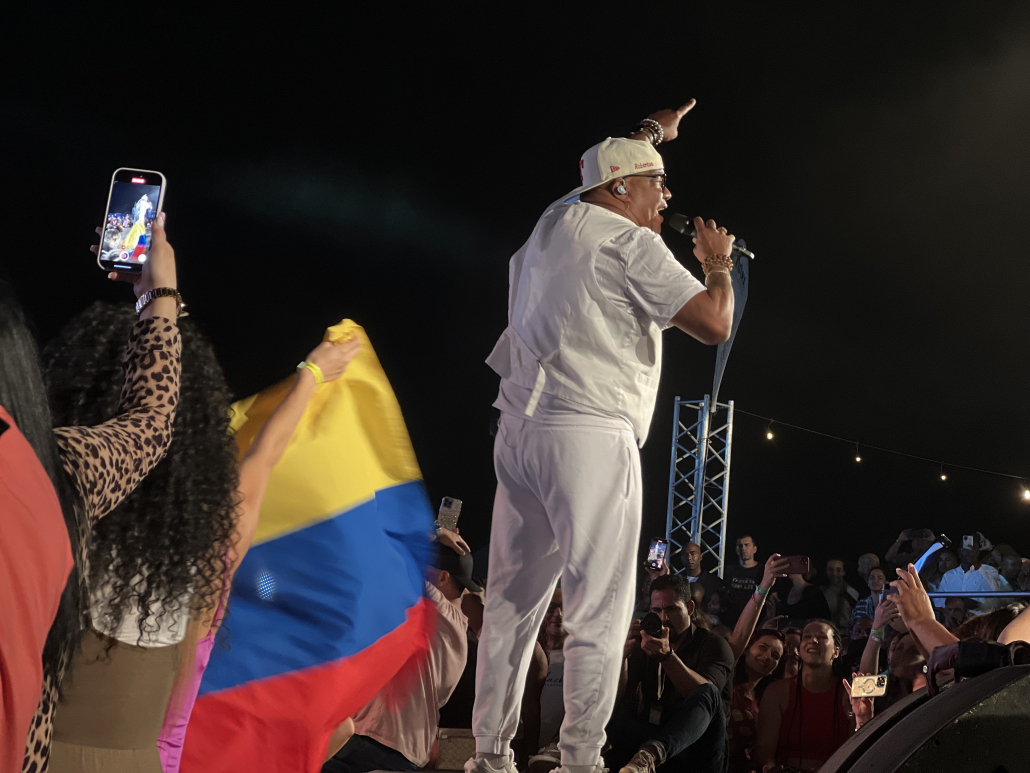
From son cubano to salsa: a history worth distinguishing
Son cubano is fundamental to the story, but it would be inaccurate to present it as the only source of salsa or to describe modern Cuban timba as son under another name. Son emerged from Cuba’s eastern regions and developed through changing combinations of voices, tres, guitar, bass, percussion, and, eventually, larger urban ensembles. Its interlocking instrumental patterns, vocal exchanges, and rhythmic orientation influenced dance orchestras far beyond Cuba.
In the twentieth century, Cuban musical practices circulated through recordings, radio, touring bands, and transnational networks. Later, the name salsa became associated especially with musicians and audiences in New York and elsewhere in the Caribbean and Latin American diaspora. The label joined related musical resources and commercial histories without erasing their differences.
Those distinctions matter when listening in Havana. An orchestra playing contemporary Cuban dance music may draw from son, mambo, rumba, jazz, funk, and other sources, but the arrangement reflects its own period, musicians, and artistic choices. Reducing the entire tradition to one vague notion of ‘Latin rhythm’ misses the specificity of the music.
What is timba, and why does it sound different?
Timba is a particularly important part of the musical context around the festival. It crystallized as a force in Cuban popular dance music during the late 1980s and 1990s, particularly amid profound changes in Cuban social and cultural life. Music scholars have examined its relationship to son, salsa, Afro-Cuban rhythmic traditions, jazz, funk, hip-hop, and the conditions of the Special Period. Timba is not simply a faster version of salsa, although its high-intensity passages can certainly feel explosive.
Listen for the piano tumbao, often built from interlocking, syncopated figures that can change as the arrangement develops. Listen for the bass line, which may shift from an established groove into a more sharply accented figure. Listen for the brass section and the way it punctuates, answers, or challenges the chorus. Listen, too, for the drummer and percussionists, who control changes in texture and momentum with extraordinary precision.
In performance, a timba orchestra may build a sequence of contrasting sections, often including breaks, new rhythmic figures, and call-and-response passages. Some practitioners use terms such as bloque, presión, and bomba for particular arrangement and performance devices, though usage differs among bands and musicians. These devices create a sense of narrative: the composition evolves instead of repeating one accompaniment unchanged from beginning to end.
That is why attending a live performance is a different kind of listening experience from hearing a recording casually. You can follow the cues, the instrumental exchanges, the changes of energy, and the relationship between performers and audience as the form unfolds.
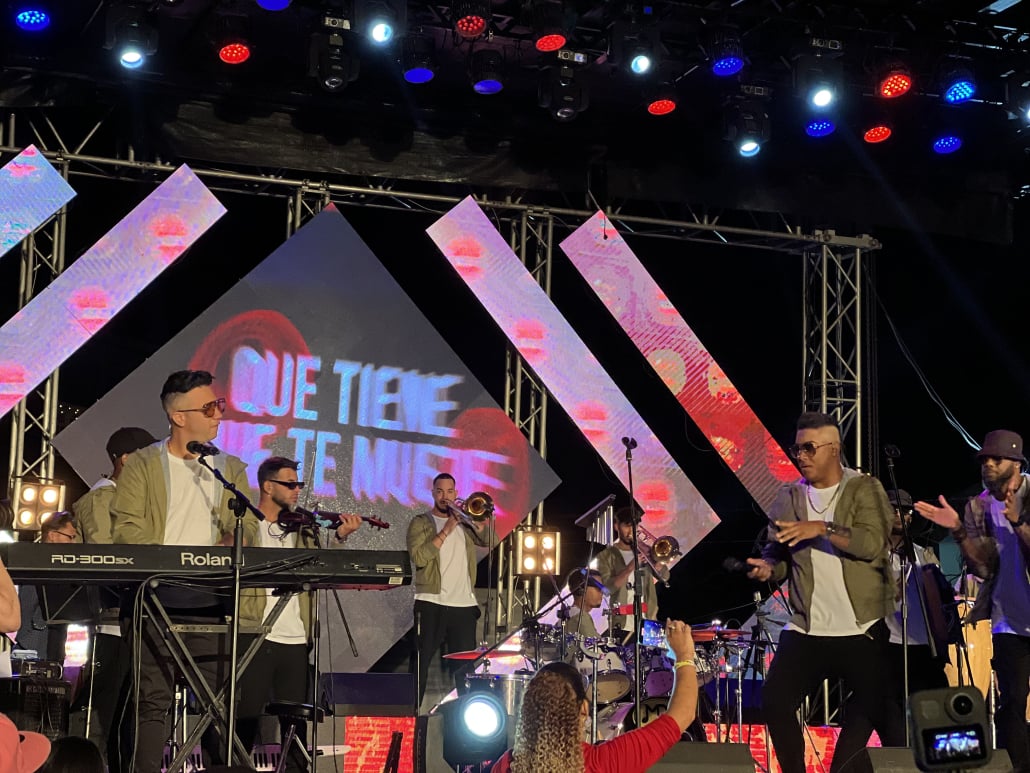
Orchestras and bandleaders worth knowing
Several groups help explain the musical world that the festival celebrates. Their names belong here as listening references, not as a confirmed 2027 performance lineup.
Los Van Van, founded by Juan Formell, played a decisive role in shaping modern Cuban dance music. The band’s work with songo, and its long-term experimentation with electric instrumentation, vocal arrangements, and rhythm-section writing, is indispensable to understanding the later sound of Cuban orchestras.
NG La Banda, associated with José Luis Cortés, is central to the formation and international recognition of timba. Its music pushed virtuosity, density, and rhythmic interplay into a distinctive new language, drawing on the training and experience of exceptional instrumentalists.
Havana D’Primera, led by trumpeter and singer Alexander Abreu, offers another compelling study in how contemporary Cuban songwriting, horn arrangements, jazz-informed instrumental command, and dance-floor communication can coexist.
Maykel Blanco y su Salsa Mayor is relevant not only because Maykel Blanco directs the festival but because his work represents a prominent contemporary approach to Cuban dance-orchestra arrangement. And ensembles such as Bamboleo show how the field includes distinctive vocal personalities and approaches rather than one uniform ‘timba sound.’
For further background, explore our guide to Cuban salsa and timba bands. The point of these listening suggestions is to recognize musical ideas, not to predict which artists will appear on the 2027 stage.
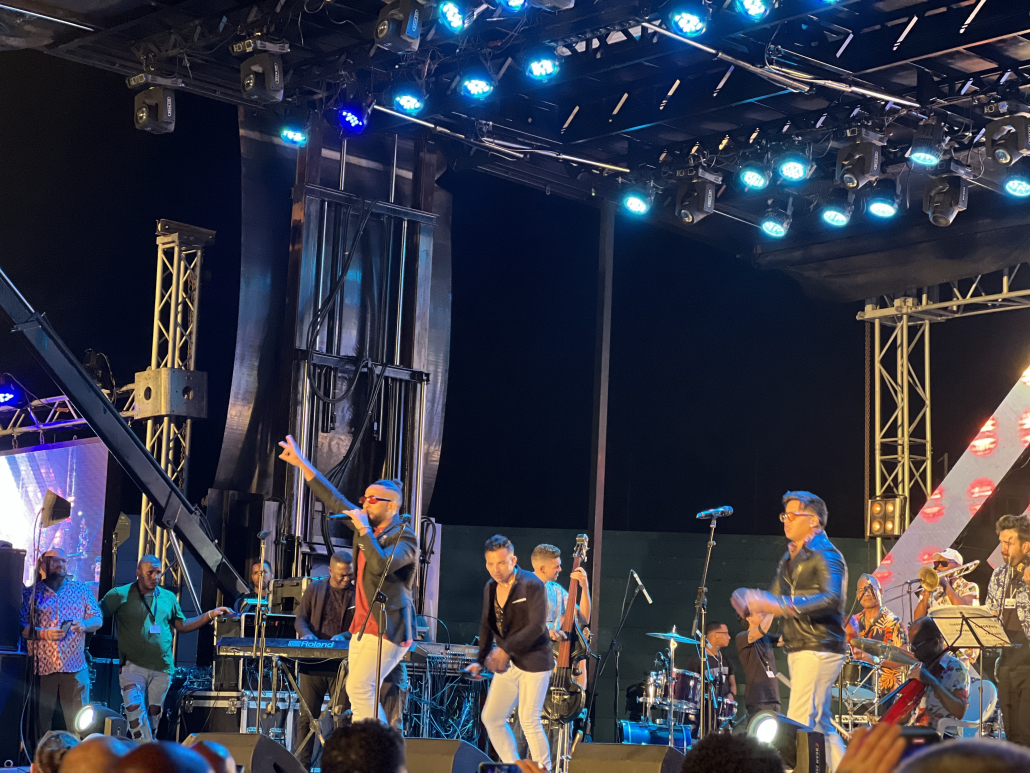
How to listen at a Havana salsa concert
Start with the bass and piano rather than immediately trying to identify a song title. Their relationship often tells you when a band has entered a new section. Next, listen to the coro. Cuban dance arrangements frequently depend on the interaction between a lead vocalist’s improvised or flexible phrases and a repeated choral response. The chorus may keep one musical idea stable even as the orchestration changes around it.
Then notice the percussion. Congas, timbales, drum kit, bell patterns, and other instruments occupy different rhythmic roles. They are not all doubling the same beat. An accented break may sound spontaneous to a newcomer, but experienced players have usually prepared it through shared rehearsal and close listening.
Finally, watch the dancers without assuming there is one correct Cuban dance response. In casino and other social dance settings, bodily movement is part of musical knowledge. An attentive dancer often reveals the shape of an arrangement as clearly as an analytical diagram.
From the Havana Music Tours video archive: El Noro y Primera Clase performing “La Parada” at the Havana Salsa Festival in 2023. Listen for the interaction of the coro, lead voice, brass and rhythm section.
The festival as part of Havana’s larger musical life
A major festival concentrates attention on headline performances, but it does not contain the whole of Havana’s music scene. The city’s musical life also includes smaller ensembles, students, educators, community traditions, experimental artists, and musicians working across stylistic boundaries. The histories of son, rumba, jazz, and contemporary popular music intersect, yet each deserves its own context.
For that broader perspective, our guide to live music in Havana looks beyond one festival, while our article on musician-led Cuba tours explains how musical knowledge changes the experience of attending a performance.
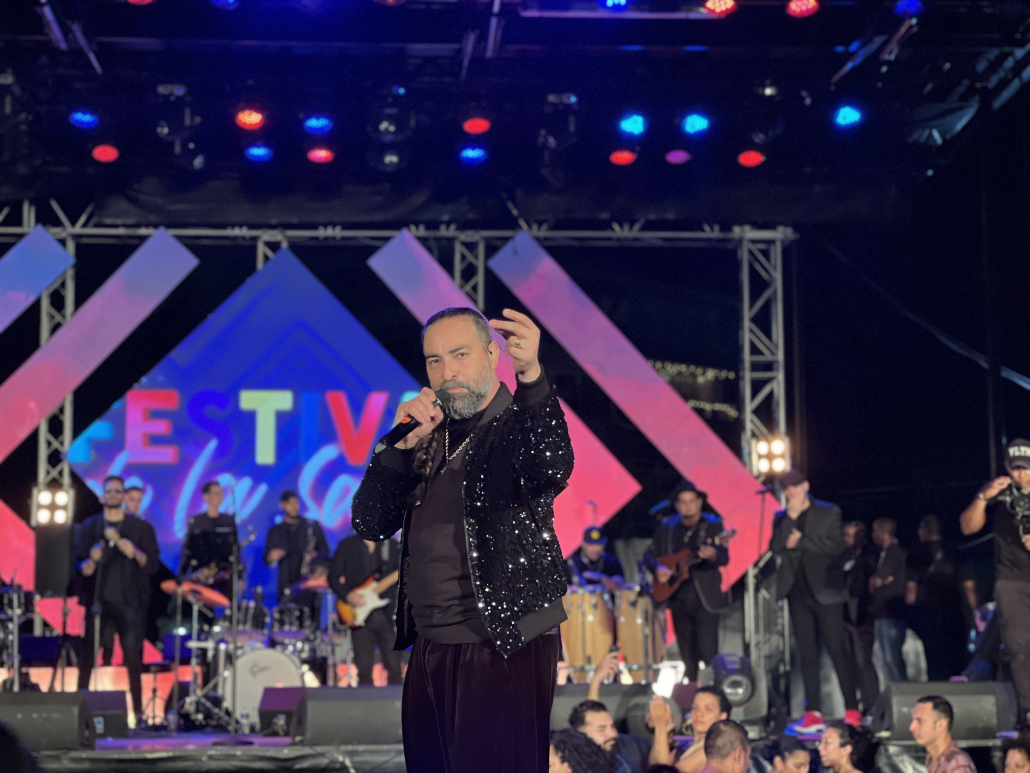
Planning for the Havana Salsa Festival in 2027
For travel planning, the practical dates to watch for the Havana Salsa Festival 2027 are February 25–28. The organizer’s event-ticket listing has also shown a calendar ending March 1. That longer calendar range is not confirmation of an additional concert day. The performance venue and the final artist and workshop schedules should be reconfirmed directly with the organizers before arranging transport, purchasing festival admission, or making a private-tour commitment.
Havana Music Tours is developing private-only festival travel arrangements, rather than offering this as a publicly scheduled small-group departure. A private itinerary can be discussed in relation to a group’s interests and the activities that are actually available and appropriate. Event admission, seating, specific performers, and additional musical experiences should never be assumed until confirmed as part of an individual proposal.
A note for U.S. travelers: Festival attendance alone is not a travel authorization for Cuba. Each traveler must meet the conditions of an applicable OFAC license; where Support for the Cuban People applies, this includes a full-time schedule of qualifying activities and meaningful interaction. Any proposed private itinerary, accommodation and suppliers must be reviewed before confirming a trip. See OFAC’s current guidance.
If you are considering traveling for the festival, visit our Havana Salsa Festival private tour page to explore the concept and inquire about planning a private music-focused visit. The festival is an excellent reason to listen closely, but the value of the journey rests just as much in understanding the musicians and traditions behind the performances.